As urban living spaces become increasingly limited, container homes are gaining popularity. They offer a sustainable and modern approach to housing. A report by the American Institute of Architects indicates that modular construction, including container homes, is growing at an annual rate of 15%. This trend reflects people's desire for innovative solutions in real estate.
Learning how to design a modern container living space can transform your lifestyle. The versatility of shipping containers appeals to many. Yet, the process can be challenging. Designers must consider insulation, ventilation, and layout to create functional living areas. Statistics show that well-designed spaces improve mental health and productivity. However, there is often a gap in understanding how to optimize these unique structures effectively.
While container homes can be aesthetically pleasing, they require careful planning. Choosing the right materials is essential, as is adhering to local building codes. The balance between creativity and pragmatism is crucial. A recent survey revealed that 70% of homeowners regret not involving professionals from the start. Reflecting on these elements is vital for a successful container home project.
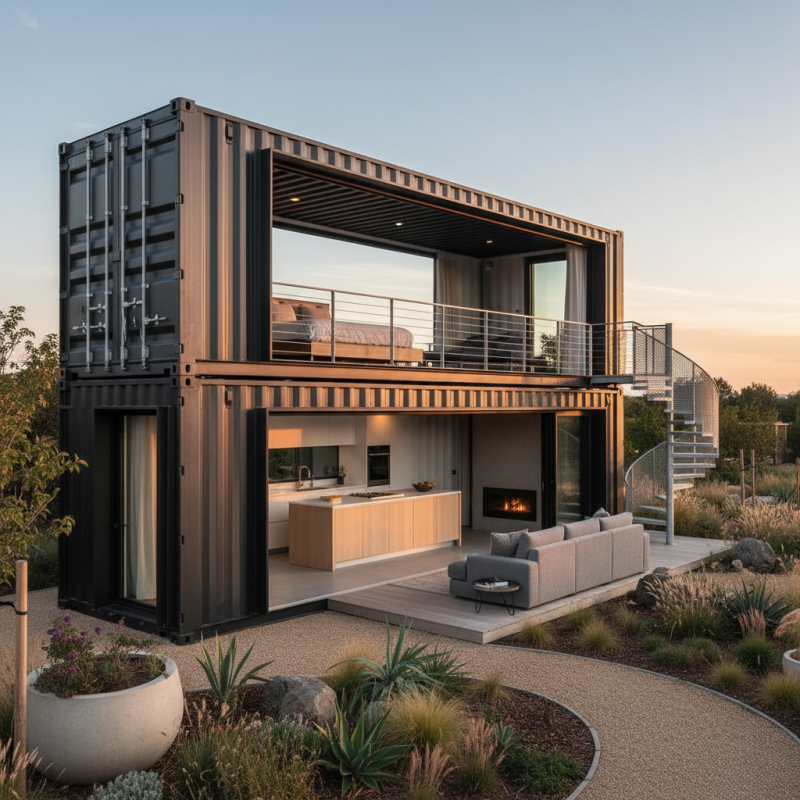
Container living has gained popularity due to its unique design and sustainability. Understanding materials and design principles is crucial. Containers are primarily made of corten steel, known for its durability. This material is resistant to corrosion, making it suitable for various climates. Research shows that using repurposed containers reduces waste significantly, aligning with eco-friendly housing trends.
Designing a container space involves more than aesthetics. It requires knowledge of insulation and ventilation. Poor insulating materials can lead to uncomfortable temperatures. According to the Container Housing Association, designing for climate is key to comfort. Containers must be modified to accommodate plumbing and electrical systems. Ignoring these aspects can lead to costly retrofits later.
Layout plays a vital role. An open floor plan enhances light and space utilization. However, achieving balance between openness and privacy can be a challenge. Factors like natural light and sound insulation need consideration. Importantly, reflecting on these elements during the design phase can prevent future inconveniences. The blend of creativity and practicality defines a successful container living space.
Designing a modern container living space can truly maximize efficiency. One essential technique involves careful layout planning. Open floor plans create a sense of spaciousness. Consider multi-functional furniture. A sofa can also serve as a bed for guests. This dual purpose saves valuable space.
Incorporate vertical storage solutions. Shelving units that reach the ceiling can hold books and decor. Utilize walls sensibly by adding hooks and organizers. Sliding doors are another great space-saver. They create ease of movement while maximizing every inch of the floor.
Be mindful of natural light. Large windows can make the interior feel larger. Position furniture to avoid obstructing these views. Lighting fixtures can enhance the ambiance. However, overcrowding with too many decorative items may feel cluttered. It’s essential to strike a balance for functionality and comfort. Reflecting on your designs can lead to more thoughtful choices.
| Tip Number | Tip Description | Space-Saving Feature | Design Element |
|---|---|---|---|
| 1 | Utilize Multi-Functional Furniture | Storage Ottomans | Modular Sofas |
| 2 | Incorporate Vertical Storage | Wall Shelves | Hanging Racks |
| 3 | Create Open Floor Plans | Sliding Partitions | Minimalistic Decor |
| 4 | Use Light Colors | Bright Paint Schemes | Reflective Surfaces |
| 5 | Maximize Natural Light | Large Windows | Skylights |
| 6 | Incorporate Outdoor Spaces | Decks | Patios |
| 7 | Design for Flexibility | Foldable Tables | Adjustable Shelving |
| 8 | Include Built-in Cabinets | Custom Closets | Under-Bed Storage |
| 9 | Choose Space-Efficient Appliances | Compact Refrigerators | Induction Cooktops |
| 10 | Personalize with Decor | Artwork | Plants |
Container homes present unique opportunities for sustainable living. By reusing shipping containers, we reduce waste and promote recycling. However, the design process requires careful consideration. It’s essential to ensure that containers are properly insulated. Many designs overlook this critical factor, leading to energy inefficiency.
Sustainable practices can be embraced with smart design elements. Solar panels can power the home. Rainwater harvesting systems can provide water. Excessive reliance on traditional amenities can undermine these efforts. A focus on natural lighting and ventilation can enhance comfort while reducing electricity use. Yet, this approach demands a more thoughtful layout.
Incorporating local materials can add character and support the community. Many container homes lack a connection to their surroundings. This oversight can impact the overall harmony of the space. Designers need to balance aesthetics with functionality. Reflecting on these details can elevate a container home from simple to exceptional. Sustainability is not just a trend; it is a necessity for the future of housing.
Natural light plays a crucial role in container living spaces. It creates an inviting atmosphere. Large windows or glass doors can maximize sunlight. Consider using skylights for more overhead light. This approach opens up the container, making it feel larger. Options like sliding doors can enhance connectivity to outdoor areas. This invites fresh air and natural breezes, improving ventilation.
Ventilation is often overlooked in container homes. Proper airflow is vital for comfort. Install operable windows on opposite sides to promote cross-ventilation. Use strategically placed vents for better air distribution. As an alternative, ceiling fans can help circulate the air. When designing, be aware of the potential for heat build-up. Containers can become hot in the sun. Insulating materials can mitigate this issue. Plants near windows can also help cool the space while enhancing aesthetics. Finding a balance between light and ventilation is essential in creating a comfortable living environment.
When designing a modern container living space, climate control and insulation are crucial. Container homes face unique challenges. They can become too hot in summer and too cold in winter. Insulation plays a key role in maintaining comfortable temperatures. Choose materials that fit your climate. Spray foam insulation is popular due to its efficiency. However, it can be pricey and requires expert installation.
Beyond insulation, ventilation is vital. Proper airflow prevents moisture build-up and maintains air quality. Installing energy-efficient windows can enhance light and reduce heating costs. Roof overhangs protect from rain while allowing passive heating. Think about the local environment when deciding on these elements. These factors may significantly affect energy consumption and comfort levels. Reflect on the layouts carefully. A poorly insulated container can be a costly mistake.
Experiment with different designs. Flexibility in layouts can lead to innovative solutions. Consider local climate patterns. Experimenting may reveal surprising insights into space efficiency and energy use. Embrace imperfections in design; learn from them. Every container home tells a story of adaptation and resilience in its environment.
: Careful layout planning is crucial. Open floor plans help create a spacious feel.
Multi-functional furniture, like a sofa that converts into a bed, saves valuable space.
Incorporate vertical storage. Shelving units can reach the ceiling for books and decor.
Adding hooks and organizers to walls can save floor space.
Sliding doors are space-savers. They enable easy movement and maximize floor use.
Natural light creates an inviting atmosphere and makes interiors feel larger.
Install operable windows for cross-ventilation. Consider using ceiling fans for air circulation.
Insulating materials help reduce heat build-up. Plants near windows can also cool spaces.
Strike a balance between decorative items and functionality. Avoid overcrowding to prevent clutter.
Reflecting on your design choices can lead to more thoughtful, practical decisions for the space.
Designing a modern container living space involves understanding the fundamental materials and design principles that underpin container homes. It is essential to maximize space efficiency through smart layouts, ensuring that every inch is utilized effectively. Incorporating sustainable practices is also crucial, and a case study can illustrate how eco-friendly materials and solutions can enhance the overall design.
Natural light and ventilation play significant roles in creating a comfortable living environment within a container home. By strategically placing windows and openings, designers can enhance the aesthetic appeal and functionality of the space. Additionally, choosing the right insulation and climate control methods is imperative to maintain a pleasant atmosphere year-round. By following these guidelines on how to design a modern container living space, one can create a stylish, efficient, and sustainable home.

Stinson Modular Homes