Are China Top Container Houses Environmentally Friendly? The answer depends on design, materials, location, and long-term use. The popular question, “are container houses environmentally friendly,” has no simple yes-or-no answer. Reusing a retired shipping container can reduce demand for new structural steel. It may also limit construction waste and shorten building time. However, a container is not automatically green.
A responsible assessment examines its complete life cycle. Manufacturing, transport, cutting, welding, insulation, and interior finishing all create environmental impacts. A house shipped across China may lose some carbon advantages through repeated transportation. Old containers can contain industrial coatings, treated floors, or residues from previous cargo. Professional inspection and safe material removal are essential. They should never be assumed harmless.
Energy performance matters every day. Bare steel walls become extremely hot in summer and cold in winter. High-quality insulation, thermal breaks, efficient windows, and controlled ventilation can improve comfort. Solar panels, rainwater collection, and low-flow fixtures may reduce operational demand. Yet these additions require materials, maintenance, and suitable local conditions. More technology does not always mean better sustainability.
Reliable manufacturers should provide material records, structural calculations, fire-safety information, and energy-performance data. Independent engineers can verify modifications before occupancy. Local building requirements also deserve careful attention. A smaller environmental footprint is possible, but it must be measured rather than advertised. From practical experience, the weakest projects often overlook moisture control and indoor air quality. That is a serious flaw. Container housing can support sustainable development when reuse, durability, health, and energy efficiency are evaluated together. Its environmental promise remains conditional, not guaranteed.
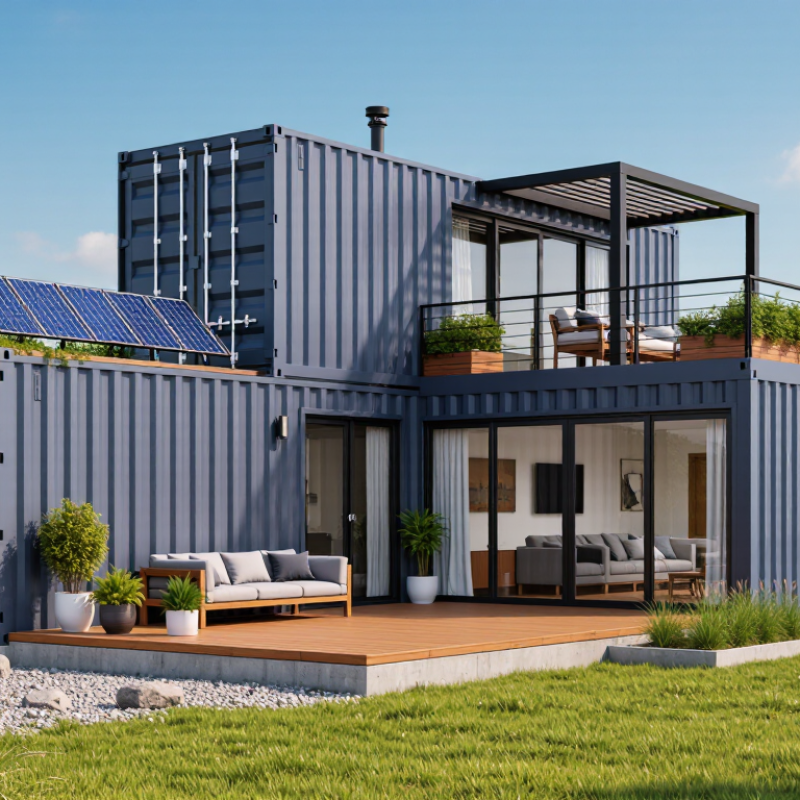
Container houses are steel shipping boxes converted into rooms, offices, classrooms, or temporary accommodation. In China, builders often connect several units to create kitchens, bathrooms, corridors, and sleeping areas. Their standard dimensions simplify transport and on-site installation. A crane can place one unit beside a construction project within hours.
They are modular. Common uses include worker dormitories, rural guest rooms, emergency clinics, small shops, and site offices. Some communities also use them for affordable rental housing. Interior walls usually receive insulation, electrical wiring, plumbing, fire-resistant panels, and ventilation equipment. In hot southern regions, reflective roofs and air conditioning can reduce indoor heat. Northern projects need thicker insulation and reliable heating.
Reusing a container can save structural steel and reduce construction waste. However, environmental performance depends on the whole process. An old container may need chemical cleaning, repainting, and extensive repairs. Long-distance transport can also create significant emissions. Steel walls conduct heat quickly without proper insulation. Poor ventilation may cause condensation, mold, or uncomfortable indoor air. From practical site observations, attractive designs sometimes overlook drainage and summer overheating. That is a real weakness. Responsible projects inspect the container’s history, test materials, provide safe insulation, and plan for later disassembly. A container house is not automatically green; its location, energy use, materials, and service life matter more than its unusual appearance.
A typical 20-foot dry container has a tare mass of approximately 2.3 tonnes. Using indicative steel-production emission factors, producing the same structural steel from primary steel can generate about 4.4 tonnes of CO₂e, while producing it through a recycled-steel electric-arc route can generate about 1.5 tonnes of CO₂e. Reusing an existing container may reduce the need for new structural steel, but insulation, interior finishes, transport, cutting, and replacement materials still determine the overall environmental impact. Therefore, container houses in China are not automatically green; their sustainability depends on reuse, energy efficiency, local sourcing, and long service life.
Indicative calculation: 2.3 tonnes of steel × emission factor. Actual results vary by steelmaking technology, transport distance, retrofit design, and building operation. Container dimensions and mass vary by manufacturer and specification; typical values follow ISO freight-container conventions.
Leading container houses begin with a careful inspection of the steel shell. Not every used container is suitable. Manufacturers check corrosion, welds, floor materials, and previous cargo history before cutting openings. Engineers then calculate wind, snow, lifting, and transport loads. This step matters because a home needs more than a strong appearance.
Designers use digital drawings to position bedrooms, kitchens, windows, and service lines efficiently. Large openings receive reinforced steel frames. Insulation is fitted inside walls, roofs, and floors to reduce heat loss. However, thin metal can create thermal bridges around joints. Poor detailing may cause condensation, uncomfortable rooms, and higher energy use. This is one area where attractive designs can still disappoint.
In the factory, workers usually cut panels, weld frames, install insulation, and assemble electrical and plumbing systems under controlled conditions. Factory production can reduce material waste and improve measurement accuracy. It also makes quality checks easier, including water testing, weld inspection, and electrical safety testing. Yet recycled steel does not automatically make a house environmentally friendly. Transport distance, insulation performance, coatings, and future maintenance all affect its real impact. Mistakes still happen.
Tips: Ask for corrosion records, insulation specifications, drainage details, and independent inspection reports. Visit the factory if possible. A clean workshop helps, but documented testing matters more.
Are China Top Container Houses Environmentally Friendly?
Sustainability depends on design, not appearance. A container house may reuse a steel box, reducing demand for new structural material. However, transport, cutting, welding, and interior finishing still create emissions. Reused units should receive documented inspections and careful cleaning before conversion. Previous cargo residues can create indoor-air concerns.
Many well-designed container homes use recycled steel frames, low-VOC paints, cellulose insulation, and certified timber panels. Some projects add bamboo surfaces or recycled composite flooring. These choices can reduce waste, but material labels alone prove little. A lifecycle assessment should examine manufacturing, transport, maintenance, and eventual removal. Insulation quality matters greatly. Without thermal breaks, steel walls can transfer heat quickly and cause condensation.
Efficient technologies can improve daily performance. Roof-mounted solar panels may supply part of the electricity. Heat-pump systems can provide heating and cooling with lower energy use. Smart meters reveal unexpected consumption. Rainwater collection, low-flow fixtures, LED lighting, and cross-ventilation also reduce resource demand. Light-colored roofs can limit summer heat gain. Small details matter.
The environmental picture is imperfect. A heavily modified container may require so much new material that its reuse advantage becomes modest. Poor insulation can also increase energy bills for years. Reliable projects should publish material specifications, energy data, and indoor-air testing results. Independent certification adds confidence, but it cannot replace careful local assessment. Climate, soil conditions, transport distance, and construction quality all change the final result.
Container houses can provide meaningful environmental benefits when their design and construction are carefully controlled. Reusing a steel container preserves a large structural shell that might otherwise require fresh steel production. This can reduce material demand and construction waste. Factory fabrication also allows accurate cutting, measured insulation, and better material planning. Fewer offcuts may reach the disposal site.
Energy performance matters more than appearance. High-quality insulation in the walls, roof, and floor can reduce heating and cooling demand. Airtight windows and shaded openings help maintain stable indoor temperatures. Efficient ventilation can improve indoor air quality without wasting excessive energy. Smaller homes may also require less electricity for lighting and daily operation. These benefits depend on the climate, building orientation, and actual household use.
However, a container is not automatically an environmentally friendly home. Steel conducts heat quickly, so poor insulation can create hot rooms in summer and cold surfaces in winter. Cutting openings may require additional steel and energy. Long-distance transport can also weaken the environmental advantage. Existing coatings, previous cargo residues, and replacement materials deserve careful inspection. A responsible project should review the container’s history, test questionable surfaces, and select low-emission finishes. Life-cycle assessment is useful, but it is not perfect. Results can change with transport distance, insulation type, maintenance, and eventual reuse. Practical experience shows that modest designs often perform better than heavily modified units.
Container houses can reuse steel structures and reduce demand for new building materials. However, their environmental performance depends on more than the original container shell. A responsible assessment should examine transport distance, factory energy use, insulation, and expected service life. A reused steel shell is not automatically green. Cutting, welding, sandblasting, and repainting may consume considerable energy. Long-distance shipping can also weaken the carbon advantage.
Thermal performance creates another limitation. Steel transfers heat quickly, creating thermal bridges around walls, floors, windows, and roof joints. Poor insulation may cause overheating in summer and heat loss in winter. Occupants then rely more heavily on air conditioning or heating. Moisture is another concern. Hidden condensation can damage insulation and encourage corrosion, especially in humid coastal regions. Low-emission coatings and recycled materials help, but their actual value depends on verified product data.
Site conditions matter too. A container unit may require concrete foundations, drainage, utility connections, and extra framing. These additions can increase both embodied carbon and construction waste. End-of-life recovery is not always simple because foam insulation, sealants, wiring, and composite panels are difficult to separate. Certification documents may also be incomplete or inconsistent across suppliers. That uncertainty deserves attention. I would request energy calculations, material records, and maintenance plans before judging a project. Even then, results can change with local climate, occupant behavior, and repair quality. Some claims sound convincing, but measured performance may tell a different story.
It is a steel shipping box converted into a room, office, classroom, or temporary home. Several units can form kitchens, bathrooms, and corridors.
Common uses include worker dormitories, rural guest rooms, emergency clinics, small shops, and site offices. Some communities use them as affordable rental housing.
Designers plan bedrooms, kitchens, windows, and service lines with digital drawings. Large openings need reinforced steel frames. Good layouts save space.
Workers add insulation, electrical wiring, plumbing, ventilation, and fire-resistant panels. Southern projects may need reflective roofs and air conditioning.
Factories inspect steel shells, cut openings, weld frames, and install interior systems. They may perform water, weld, and electrical safety tests.
No. Reusing steel can reduce waste, but transport, repairs, coatings, energy use, and service life also matter. The appearance proves very little.
Thin steel transfers heat quickly. Poor insulation can cause overheating, heat loss, condensation, mold, and higher heating or cooling demand.
Request corrosion records, insulation details, drainage plans, material data, and independent inspection reports. Check the container’s history. Documents matter more than a clean factory.
Container houses are prefabricated or converted steel modules that are increasingly used in China for temporary housing, construction-site accommodation, offices, classrooms, emergency facilities, and compact residential projects. Leading manufacturers typically redesign shipping-container structures with reinforced frames, modular layouts, insulation, ventilation, efficient plumbing, and factory-controlled assembly. Their production methods can reduce construction time, material waste, and disturbance to the surrounding site. Depending on the project, sustainable features may include recycled steel, low-impact insulation, energy-efficient windows, solar panels, rainwater collection, LED lighting, and systems that reduce heating and cooling demand.
The question “are container houses environmentally friendly” cannot be answered universally. Reusing steel modules may conserve resources and support a circular construction model, while modular manufacturing can improve material efficiency and allow buildings to be relocated or reused. However, transportation, steel processing, coatings, insulation choices, energy consumption, and end-of-life disposal all affect their total environmental impact. Poor thermal performance, inadequate ventilation, or short service lives may also reduce their sustainability. Therefore, container houses are most environmentally responsible when they are well designed, durable, energy efficient, and reused in suitable locations.

Stinson Modular Homes