When it comes to building a sustainable home, container houses are an exciting option. However, how to choose the right container house design is a common challenge. The blend of creativity and practicality makes each design unique. It’s essential to consider various factors to ensure your container home meets your needs.
One must think deeply about functionality and aesthetics. Size matters—do you need a compact space or a larger setup? Additionally, the layout should reflect your lifestyle. Don't overlook insulation and ventilation. These elements play a major role in comfort.
Moreover, local regulations and climate conditions can influence design choices. Engaging an experienced architect may seem costly but is often worth the investment. Reflecting on your priorities will help guide your decisions. Balancing style, utility, and budget is vital. Every detail counts, and there's always room for improvement and reevaluation as you explore your options.
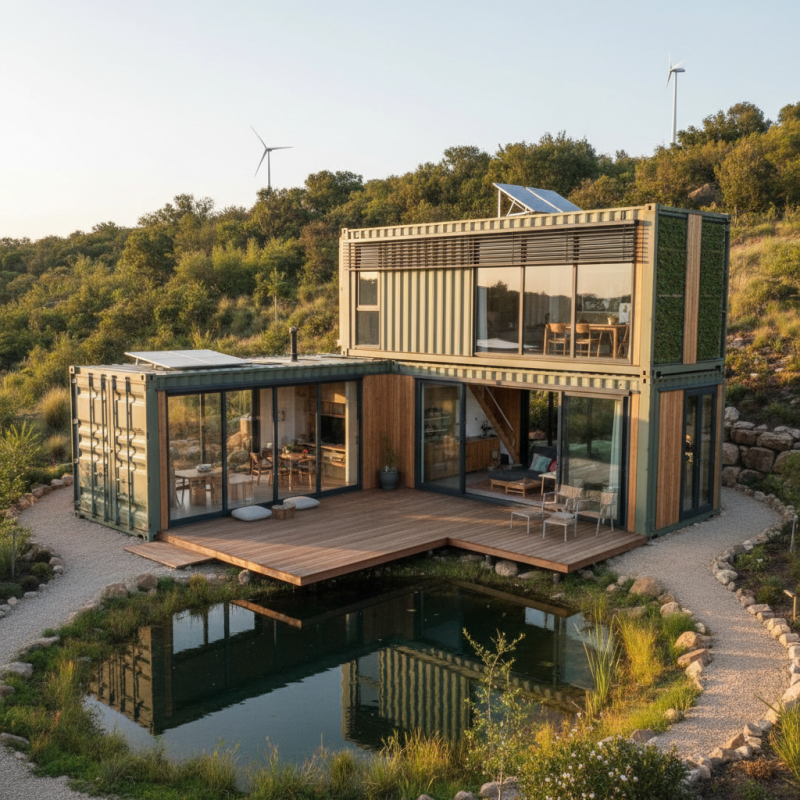
Understanding Container House Designs: Key Factors and Trends
Container houses have gained popularity for their sustainable appeal and versatility. Understanding the key factors that influence their design is essential. According to a recent report by the International Container Housing Association, the container home market is expected to grow by 15% annually. This growth reflects a need for affordable housing solutions in urban areas.
One vital factor to consider is insulation. Proper thermal insulation can significantly affect energy efficiency. Studies show that poorly insulated container homes can lead to energy expenditure rising by up to 40%. Choosing materials that enhance thermal resistance is crucial. Lighting design is equally important; adequate natural light can enhance the living experience. Approximately 80% of respondents in a survey mentioned natural light as a top priority in design.
The trend toward eco-friendly materials is also critical. Materials with low environmental impact align with growing sustainability values. Reports reveal that around 70% of new builds in 2023 opted for recycled or sustainably sourced materials. However, not all container designs are equally effective. Some designs fail to maximize space, leading to cramped living environments. Reflecting on balance and functionality is essential for a successful container home project.
Analyzing Space Efficiency: Maximizing Utility in Container Homes
Choosing the right container house design involves assessing space efficiency. Container homes often challenge traditional layouts. Emphasizing utility is crucial. It’s important to maximize every square foot. Consider multipurpose furniture. This can free up valuable space for movement and activities.
Another critical aspect is the layout. Open floor plans create a sense of spaciousness. They allow flexibility in how the space is used. However, they might neglect personal privacy. Thoughtful zoning can address this. For example, consider adding partitions or curtains.
Natural light plays a significant role in space efficiency. Large windows can make a container feel larger and more inviting. On the flip side, too much glass can lead to overheating. It's vital to find a balance that suits your climate. Ultimately, creating a functional design requires careful thought. It’s easy to overlook details during the planning process. Small adjustments can significantly enhance the utility of your container home.
10 Best Tips to Choose the Right Container House Design
| Tip Number |
Design Aspect |
Description |
Space Efficiency |
Utility Maximization |
| 1 |
Layout Planning |
Optimize open spaces for movement and functionality. |
High |
Enhances practicality across living areas. |
| 2 |
Natural Light |
Incorporate large windows to increase brightness. |
Medium |
Improves mood and minimizes energy usage. |
| 3 |
Modular Design |
Use modular components for flexibility. |
High |
Allows for easy expansion or adjustments. |
| 4 |
Multi-functional Spaces |
Design rooms for multiple uses. |
High |
Maximizes utility without extra area. |
| 5 |
Outdoor Integration |
Connect indoor spaces with outdoor areas. |
Medium |
Enhances living space and enjoyment. |
| 6 |
Sustainable Materials |
Use eco-friendly materials for construction. |
Low |
Promotes environmentally-conscious living. |
| 7 |
Vertical Space Usage |
Incorporate tall furniture and storage. |
High |
Utilizes less floor space effectively. |
| 8 |
Customizable Features |
Allow for personalization in design. |
Medium |
Supports unique needs and preferences. |
| 9 |
Energy Efficiency |
Incorporate insulation and efficient systems. |
High |
Reduces long-term operating costs. |
| 10 |
Aesthetic Appeal |
Ensure the design is visually appealing. |
Medium |
Enhances overall comfort and satisfaction. |
Sustainability in Design: Eco-Friendly Materials and Practices
Sustainability is crucial when designing a container house. Choosing eco-friendly materials can significantly reduce the environmental impact of your home. For instance, bamboo is an excellent option. It grows rapidly and requires minimal resources. This material can be used for flooring, cabinetry, and even structural elements.
Many builders are now opting for recycled materials. Utilizing reclaimed wood or metal helps minimize waste. Consider sourcing materials locally. This practice not only supports local economies but also reduces transportation emissions. Implementing solar panels can further enhance sustainability. They provide renewable energy, lowering utility costs and dependence on fossil fuels.
Designing for sustainability also involves thoughtful practices. Insulation quality plays a vital role in energy efficiency. Proper insulation keeps homes warm in winter and cool in summer, reducing heating and cooling needs. Incorporating green roofs or living walls can improve air quality and promote biodiversity. However, this may require more maintenance and careful planning. Balancing aesthetics and sustainability sometimes leads to compromise. Thoughtful consideration is needed to achieve an environmentally friendly design, making it both functional and beautiful.
Cost Considerations: Budgeting for Container House Construction
When budgeting for container house construction, costs can vary significantly. A basic container can start from a few thousand dollars. However, additional expenses arise from modifications and site preparation. Depending on your design, costs for insulation, plumbing, and electrical work can stack up quickly.
You should consider the location in your budget. Land prices differ greatly from one area to another. It's essential to research local building codes and permits, which can add extra fees. Unexpected costs often arise, so setting aside a contingency fund is wise. It's frustrating when projects exceed budgets, but planning ahead can prevent many issues.
While containers are generally affordable, you might face hidden costs. Transporting containers incurs fees that can surprise budgeters. Additionally, interior design choices significantly impact costs. Simple finishes can keep expenses down, while high-end materials push the budget up. The key is balancing aesthetics with functionality, ensuring your container house meets your needs without breaking the bank.
Cost Considerations: Budgeting for Container House Construction
Aesthetic Appeal: Choosing Styles that Complement Urban and Rural Settings
When selecting a container house design, consider how it fits both urban and rural landscapes.
Aesthetic appeal plays a crucial role in creating a harmonious environment.
In urban areas, sleek and modern designs can blend with the city’s vibe. Think about clean lines and bold colors that make a statement.
However, it’s essential to avoid designs that feel out of place. Reflecting on surrounding architecture can help create a more cohesive look.
In rural settings, natural materials and muted colors often work best. Designs that integrate wood, stone, or earth tones help your container home feel like part of the landscape.
Large windows can capture scenic views but should be chosen carefully to ensure privacy and energy efficiency.
It’s worth pondering the balance between aesthetics and practicality.
While a striking design is desirable, functionality should never be compromised. Identifying your preferences and understanding your site can guide you toward a design that feels both appealing and purposeful.
FAQS
: Space efficiency maximizes utility. Every square foot should be utilized well to enhance comfort.
Multipurpose furniture frees up space. It allows more room for movement and daily activities.
Open floor plans create spaciousness. They provide flexibility in how the space is used.
Using partitions or curtains can enhance privacy. Thoughtful zoning addresses potential privacy issues.
Natural light from large windows makes spaces feel inviting. However, too much glass may cause overheating.
Sleek and modern designs fit urban landscapes. Clean lines and bold colors can complement city vibes.
Integrating natural materials and muted colors is effective. This helps the home blend with the landscape.
A striking design is attractive, but functionality must not be compromised. Reflection on both is crucial.
Small adjustments during planning can improve utility. Consider both layout and design elements carefully.
Large windows capture views but affect privacy and energy efficiency. Balance is key in their placement.
Conclusion
When considering how to choose the right container house design, it’s essential to understand various key factors and trends in container house designs. These include maximizing space efficiency to ensure utility in small areas, embracing sustainability through eco-friendly materials and construction practices, and being mindful of budgeting to avoid overspending. Additionally, the aesthetic appeal of the design is crucial, as it should harmonize with either urban or rural settings, reflecting personal style and environmental context.
By focusing on these aspects, prospective homeowners can make informed decisions that align with their needs and values. Ultimately, choosing the right container house design involves a thoughtful blend of practicality, sustainability, and visual appeal, ensuring a home that is not only functional but also enjoyable to live in.

 Stinson Modular Homes