10 Best Ways to Make a Container House Energy Efficient?

Time:2026-06-10 Author:Sienna
0%

In the modern world, improving energy efficiency in homes is a growing priority. Container houses, an innovative housing solution, can greatly benefit from sustainable practices. Industry expert Dr. Emily Carter notes, "Understanding how to make a container house energy efficient is crucial for maximizing its potential."

The global housing market is under pressure to reduce carbon footprints. According to the International Energy Agency, buildings account for about 36% of global energy use. Therefore, container houses must be designed with energy efficiency in mind. Simple modifications, like proper insulation and solar panel installation, can enhance comfort. However, there are challenges. Many container homes are not initially optimized for energy use, leading owners to overlook essential upgrades.

Efforts to make container houses energy efficient must be comprehensive. Insights from a recent energy efficiency report indicate that a well-designed container home can save up to 50% on energy bills compared to traditional houses. Despite these findings, many homeowners still need to address energy inefficiencies. Identifying the right technologies and practices is critical but can be overwhelming. There remains a need for education and support in this evolving field.
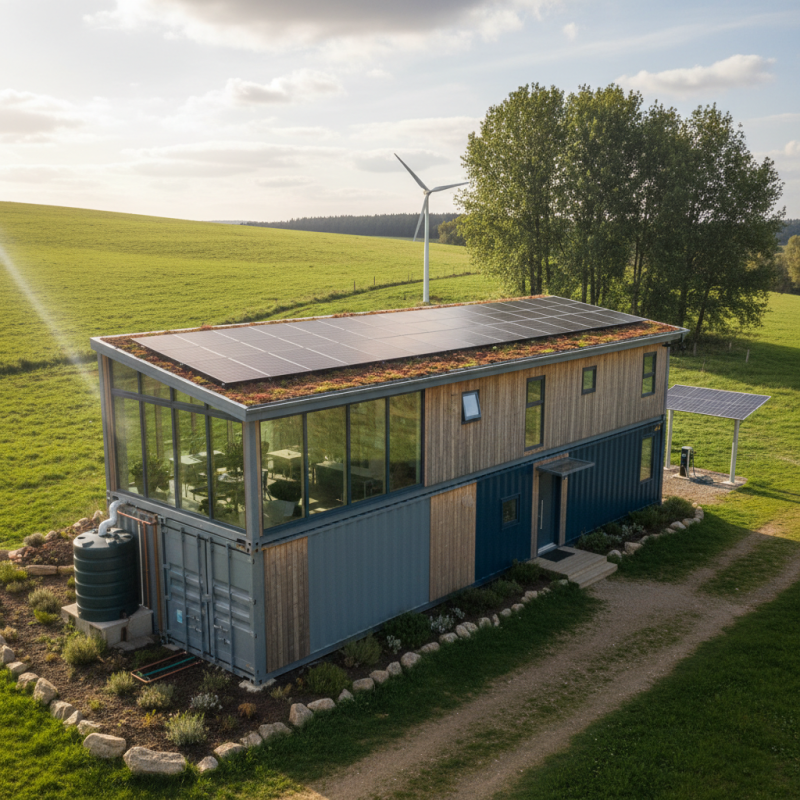
10 Best Ways to Make a Container House Energy Efficient?

Choosing the Right Insulation for Container Homes

When building a container house, choosing the right insulation is crucial. Insulation not only keeps your space comfortable but also significantly affects energy efficiency. There are various options like foam board, spray foam, and fiberglass batts. Each type has its pros and cons, so understanding them is essential.

Foam board insulation offers a high R-value and is moisture resistant. It is excellent for reducing heat loss. Spray foam, on the other hand, expands to fill gaps, providing a tight seal. However, it can be more expensive and requires professional installation. Fiberglass batts are widely used due to their cost-effectiveness yet require careful installation for maximum effectiveness.

Pay attention to the climate where your container home is situated. The insulation needs may vary from cold to hot climates. Not choosing the right type for your needs can lead to higher energy bills. Reflect on your lifestyle and usage patterns. This will guide you toward the best insulation choice for long-term savings and comfort.

Utilizing Solar Energy to Power Your Container House

Harnessing solar energy is key to powering a container house efficiently. Solar panels convert sunlight into electricity, making them ideal for sustainable living. You can install them on the roof of your container. This setup maximizes the area available for energy generation. However, choosing the right location for panel installation is crucial. Shadows from nearby trees might disrupt efficiency.


Incorporating solar water heaters can further enhance energy independence. These systems capture sunlight to heat water directly. It reduces reliance on traditional heating methods. The initial investment may be significant, but long-term savings are considerable. Yet, there is a learning curve. Users may face challenges in maintenance and operation.


Battery storage systems are vital for energy use during off-peak hours. They store excess solar energy for later use. This provides power during cloudy days or at night. However, not all batteries are created equal. Research is essential to find reliable options. The technology may seem daunting at first, but it offers immense benefits. Embracing solar energy for your container home can lead to significant cost savings and a lower environmental footprint.

Implementing High-Performance Windows and Doors

Implementing high-performance windows and doors is crucial for energy efficiency in container houses. According to the U.S. Department of Energy, windows account for about 25-30% of residential heating and cooling energy use. Choosing energy-efficient windows can greatly reduce this percentage.

High-performance windows typically feature multiple panes of glass, gas fills, and Low-E coatings. These features create better insulation. For instance, a double-glazed window can significantly lower energy costs. A study from the Lawrence Berkeley National Laboratory showed that upgrading to double-glazed windows can save homeowners between $100 to $400 annually, depending on the climate zone.

It's important to remember that even the best windows can fail if not properly installed. Issues like air leaks or poor sealing often limit their performance. Homeowners must ensure that windows and doors are well-fitted to maximize energy efficiency. Thermally broken frames can also provide thermal resistance. Selecting the right installation methods is just as critical as choosing the right products. Each project may require tailoring solutions for optimal results. Evaluating potential weaknesses in these installations can lead to better decisions for energy savings.

Designing for Natural Ventilation and Airflow

When designing a container house, natural ventilation plays a crucial role. It promotes airflow and reduces reliance on artificial cooling. Strategic placement of windows is key. Openings should be positioned to catch prevailing breezes. This setup helps maintain a comfortable interior temperature.

Designing for airflow requires creativity. Consider integrating operable skylights. They allow warm air to escape while drawing in cooler air from below. Additionally, incorporating ceiling fans can assist in circulating air effectively. This results in overall comfort.

Tips for enhancing airflow:
- Use ventilated roofs that aid heat dissipation.
- Implement shades or overhangs that block direct sunlight during peak times.
- Choose natural materials that breathe well, aiding moisture control and minimizing humidity impact.

Yet, achieving perfect airflow can be challenging. Some designs may experience stagnant air pockets. Regular assessment of your home's airflow can guide adjustments. Rethinking placement of furniture can also encourage better movement of air.

Incorporating Sustainable Materials and Practices in Construction

When building a container house, incorporating sustainable materials significantly enhances energy efficiency. Recycled steel and aluminum offer durability and reduce environmental impact. These materials lessen resource extraction and waste. In addition, using reclaimed wood can add unique aesthetic charm. This approach cultivates a connection to the history of the materials.

Innovative insulation is crucial for energy efficiency. Natural insulators like straw bales or sheep's wool provide excellent thermal performance. They keep homes warm in winter and cool in summer. However, sourcing these materials can be challenging. Local availability varies, which might influence building plans.

Another effective practice is integrating green roofs. They provide insulation and absorb rainwater. These roofs also contribute to urban biodiversity. Nevertheless, one must consider structural weight limits. This aspect can complicate design and construction. Making informed choices throughout the process is vital for long-term sustainability.

10 Best Ways to Make a Container House Energy Efficient

FAQS

: What is the importance of insulation in container homes?

: Insulation maintains comfort and impacts energy efficiency significantly. Choosing the right type is crucial.

What are common insulation options for container homes?

Options include foam board, spray foam, and fiberglass batts. Each type has its own advantages and drawbacks.

How does foam board insulation work?

Foam board insulation offers high R-value and moisture resistance. It helps minimize heat loss in container homes.

What are the challenges of using spray foam insulation?

Spray foam expands to fill gaps, but it can be costly and requires professional installation.

Why is location important for solar panel placement?

Nearby trees can cast shadows, reducing the efficiency of solar panels. Careful site selection is necessary.

How do solar water heaters benefit container homes?

They capture sunlight to heat water, reducing reliance on traditional heating methods and enhancing energy independence.

What challenges might arise with battery storage systems?

Not all batteries are reliable. Research and understanding options are essential before making a purchase.

Why should sustainable materials be used in construction?

They enhance energy efficiency and lower environmental impact, supporting eco-friendly building practices.

What are the benefits of green roofs?

Green roofs provide insulation, absorb rainwater, and promote urban biodiversity but may pose structural challenges.

What should be considered when sourcing natural insulators?

Availability can vary locally. Planning may be affected if materials are hard to find.

Conclusion

To understand how to make a container house energy efficient, it's essential to focus on several key aspects. First, selecting appropriate insulation is crucial, as it helps maintain comfortable temperatures and reduces energy consumption. Utilizing solar energy by installing solar panels can significantly lower electricity costs while promoting sustainability. Additionally, incorporating high-performance windows and doors enhances insulation and minimizes energy loss.

Moreover, designing for natural ventilation and airflow can optimize indoor comfort while reducing reliance on heating and cooling systems. Finally, using sustainable materials and practices during construction not only contributes to the energy efficiency of the container home but also supports eco-friendly living. By implementing these strategies, homeowners can create an energy-efficient container house that benefits both the environment and their budget.

Sienna

Sienna

Sienna is a skilled marketing professional with a deep expertise in our company’s core products and services. With a passion for innovation and detail, she plays a pivotal role in crafting insightful blog posts that not only highlight the unique features of our offerings but also provide valuable......