7 Best Ways to Choose a Reliable Container House Supplier

Time:2026-11-27 Author:Sophia
0%

Choosing a container house supplier is not a paperwork exercise. It can determine whether a home arrives with sound welds, usable insulation, and doors that close properly. The phrase “how to choose a reliable container house supplier” matters because product photos rarely reveal factory standards, material grades, or how defects are handled.

The stakes are growing. McKinsey’s 2019 report, Modular construction: From projects to products, estimated that modular construction could reach a $130 billion market in the United States and Europe by 2030. It also projected potential annual cost savings of $22 billion. These figures concern modular construction broadly, not container houses alone. Still, they show why buyers should examine suppliers carefully rather than rely on low prices or polished brochures.

Ryan E. Smith, an offsite-construction researcher and author, has written extensively about integrating design, manufacturing, and construction. A practical principle consistent with his work is: “Judge the supplier by the whole delivery process, not the sample unit.” That means checking factory experience, structural specifications, quality-control records, delivery terms, and after-sales support. Ask for dated project references. Request close-up photographs of corner castings, welds, seals, and floor finishes. Then compare the written specifications with the unit being offered.

Small details matter. A loose seal can invite moisture; vague warranty language can leave buyers uncertain. And a supplier’s confident sales pitch is not proof of dependable performance. Some checks take time. That is worth admitting—and worth doing.
7 Best Ways to Choose a Reliable Container House Supplier

Define Your Project Needs and Container House Specifications

Before requesting quotes, prepare a project brief with intended use, occupancy, site location, and delivery access. A two-person site office needs different layouts and services than a family home. Record required floor area, room layout, door positions, window sizes, and electrical and plumbing needs. Specify whether the unit must be transportable again. Measure the access road, turning space, and crane area too. Measure twice. A tight gate can make a suitable unit impossible to deliver.

Climate and installation conditions should shape the specification, not be added later. Note seasonal temperatures, rainfall, wind exposure, and whether the unit will sit on concrete piers or another foundation. The 2023 Global Status Report for Buildings and Construction from UNEP reports that buildings and construction produced 37% of global energy- and process-related CO2 emissions in 2022. That figure makes insulation and efficient heating worth discussing early. Ask suppliers to state insulation materials, thickness, window performance, and ventilation provisions. On paper, thicker insulation sounds like an easy win; in practice, it can reduce usable interior space. Be candid about budget limits, and ask which specifications can be adjusted without undermining comfort or durability.

Verify the Supplier’s Experience, Credentials, and Production Capacity

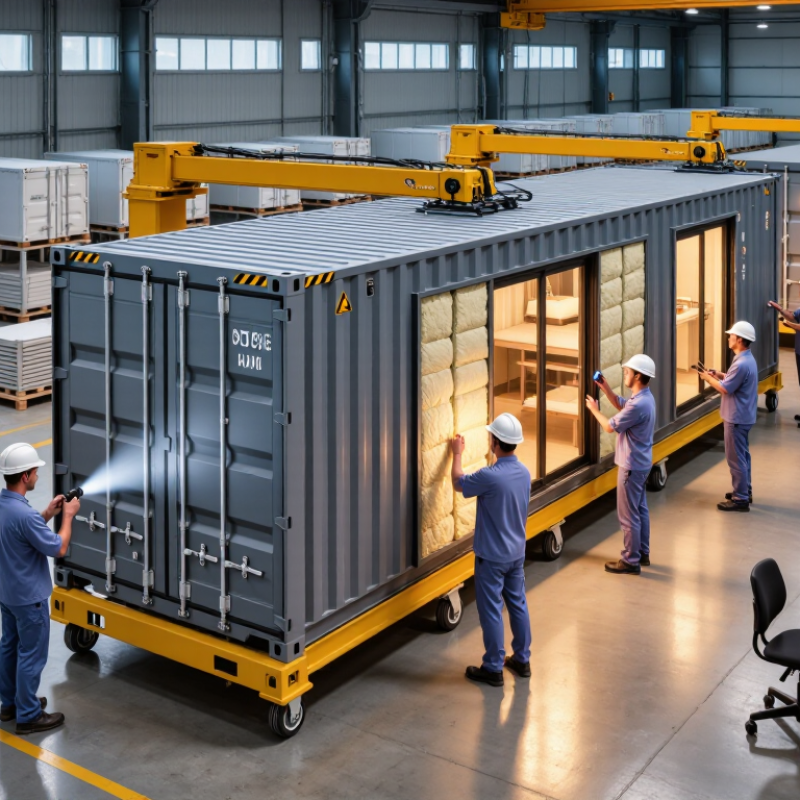
A reliable container house supplier should be able to show completed projects, not just attractive renderings. Ask how long the team has built container-based homes and request references for projects similar to yours. Look closely at site photos: do door frames align, are welds consistent, and do wall and floor details match the drawings? A polished brochure proves little.

Credentials offer another useful check. Review quality-management certificates, staff qualifications, inspection records, and documented procedures for structural work and corrosion protection. Confirm that certificates are current and apply to the actual production facility. McKinsey Global Institute’s 2017 report, Reinventing Construction, found that labor productivity in construction had grown about 1% annually over two decades, compared with 2.8% across the global economy. That gap makes repeatable factory processes worth examining. A certificate alone cannot prove good workmanship.

Production capacity should be tested against your order, not a sales promise. Ask for the number of active assembly lines, monthly output, current order backlog, and a realistic delivery schedule. Request a factory walkthrough, either in person or by live video. Watch a unit move through cutting, welding, insulation, and final inspection. Ask how rejected parts are recorded and corrected. Small details matter. Capacity figures can change, and even a capable supplier may face delays; ask what evidence supports the quoted schedule, then verify it independently.

Evaluate Design Quality, Materials, Safety, and Compliance

7 Best Ways to Choose a Reliable Container House Supplier
Evaluate Design Quality, Materials, Safety, and Compliance

A dependable supplier should explain how its design fits your site, climate, and intended use. Ask for drawings that show insulation layers, ventilation paths, door clearances, and connection details. Look closely at corners and seams; uneven welds or poorly sealed joints can invite water and corrosion. Request material specifications, not just phrases like “high quality.” Steel thickness, coating type, and insulation ratings should be stated clearly. A polished showroom is useful, but it cannot replace a careful review of the actual construction.

Safety and compliance need evidence. Ask which building requirements apply at your project location, since rules vary by region and use. Request relevant test reports, fire-performance information, and structural calculations, then confirm that documents match the proposed model. If possible, arrange an independent inspection before delivery. Check lifting points, electrical layouts, and emergency exits in the plans. Some details may only become obvious on site; that is worth planning for, not ignoring. A supplier who welcomes precise questions is easier to assess than one who promises everything without documentation.

Tips: Compare the same specifications across quotes. Keep written records. Ask who handles inspections and permits, and verify the answer locally. A small detail can matter.

7 Key Areas for Choosing a Reliable Container House Supplier

Suggested review emphasis for comparing suppliers. These are planning weights, not survey results or regulatory requirements.

Prioritize structural safety, material documentation, and code compliance. Ask for project-specific drawings, product specifications, inspection records, and evidence that applicable local requirements have been addressed.

Compare Quotes, Contracts, Delivery Times, and Installation Support

A low container-house quote can look attractive until transport, insulation, windows, or site preparation appear as extra charges. Ask each supplier to price the same floor plan, materials, and delivery location. Compare wall thickness, steel specifications, electrical fittings, and included fixtures—not just the headline total. A clear quote should list exclusions and payment milestones. Get unclear items in writing.

The contract should identify the model, dimensions, finish, delivery window, and remedies for delays or damaged parts. Check how delivery dates are calculated; weather, port handling, and site access can affect schedules. Ask who unloads the modules and whether a crane is included. Installation support matters, too. Confirm whether the supplier provides drawings, remote guidance, or an on-site crew, and what those services cost. One detail I might overlook: who handles small adjustments when the foundation is slightly out of level? Clarify that before signing.

Tips: Request a sample contract and a recent project reference. Ask for dated photos showing delivery and installation, not only finished interiors. Keep a simple comparison sheet, and note unanswered questions beside each quote. A polished brochure helps, but it cannot replace specific terms. Sometimes I still find comparisons messy; suppliers describe the same feature differently. Probe until the scope is measurable.

Check Customer References, Warranties, and After-Sales Service

A dependable container house supplier should provide recent customer references, not only polished testimonials. Speak with buyers whose units match your planned size and climate. Ask whether delivery dates held, doors sealed properly, and leaks appeared after heavy rain. If possible, inspect a completed unit and request permission to contact its owner. One reference is not enough.

Read the warranty before comparing prices. Check what it covers, how long coverage lasts, and who pays for replacement parts or travel. Ask for response times and a written process for repairs. McKinsey’s 2019 report on modular construction estimated that off-site methods could shorten project schedules by 20–50% Faster delivery is useful, but only if defects and service delays do not erase the gain. A warranty can sound reassuring. The details matter.

Tips: Request two or three recent references, a sample warranty, and the after-sales contact’s name. Ask how the supplier handled one real complaint, including dates and repairs. Keep the answer in writing. I would still verify claims directly; a neat document does not prove every issue will be handled well.

FAQS

What information should I prepare before requesting quotes?

Describe the unit’s purpose, number of occupants, site location, floor area, room layout, and utility needs. Include delivery access measurements.

Why should I measure the delivery route?

Check gate width, turning space, and crane access. A tight entrance can block delivery, even when the unit fits the site.

Which climate details should I include in the specification?

Note seasonal temperatures, rainfall, wind exposure, and foundation type. Ask about insulation thickness, window performance, and ventilation.

How can I judge the unit’s construction quality?

Request clear material specifications, drawings, and connection details. Inspect corners and seams for uneven welds or poor sealing.

What safety documents should I request?

Ask for relevant test reports, fire-performance information, and structural calculations. Confirm they match the exact proposed model.

Should I arrange an inspection before delivery?

If possible, arrange an independent inspection. Review lifting points, electrical layouts, and emergency exits. Some issues appear only on site.

How can I check a supplier’s reliability?

Request two or three recent customer references. Ask about delivery dates, leaks after heavy rain, and door sealing. One reference is not enough.

What should I look for in a warranty and after-sales service?

Check coverage, duration, repair procedures, response times, and who pays for parts or travel. Keep service promises in writing.

Is faster construction always better?

Not necessarily. Quick delivery helps only if defects and service delays do not cancel the time saved. I would still verify claims directly.

Conclusion

Choosing the right container house supplier begins with a clear understanding of your project. Define the intended use, site conditions, layout, size, budget, and preferred delivery schedule before requesting proposals. These details make it easier to compare suppliers and confirm that their solutions match your needs.

To learn how to choose a reliable container house supplier, assess each candidate’s relevant experience, credentials, and production capacity. Review design options, construction materials, safety features, and applicable compliance documentation. Compare itemized quotes, contract terms, lead times, transportation arrangements, and installation support rather than focusing on price alone. Finally, speak with previous customers, clarify warranty coverage, and ask how after-sales questions or repairs are handled. A careful review of these factors can help you select a capable supplier and reduce misunderstandings throughout the project.

Sophia

Sophia

Sophia is a dedicated marketing professional with an exceptional depth of knowledge about her company's products and services. With a keen understanding of market trends and customer needs, she crafts insightful blog posts that not only inform but also engage readers, enriching the company’s online......