Building a container house is an innovative and popular trend. Choosing the right foundation is crucial for its stability. According to Dr. Tim O’Donnell, an authority in sustainable construction, “The right foundation ensures that your container house stands the test of time.” But what foundation is needed for a container house?
There are several options available, each with unique advantages. Concrete slabs offer a stable base, while piers provide flexibility for uneven terrain. It’s important to assess local soil conditions and climate. Poor choices may lead to structural issues later on. Many homeowners overlook these details during planning.
Additionally, think about weight distribution. Container homes are heavy, requiring proper support. A well-chosen foundation minimizes settling and shifting risks. Make sure to consult with an expert in the field. They can provide tailored advice based on your location. Remember, the foundation is not just a starting point; it’s the backbone of your home. Choose wisely for lasting results.
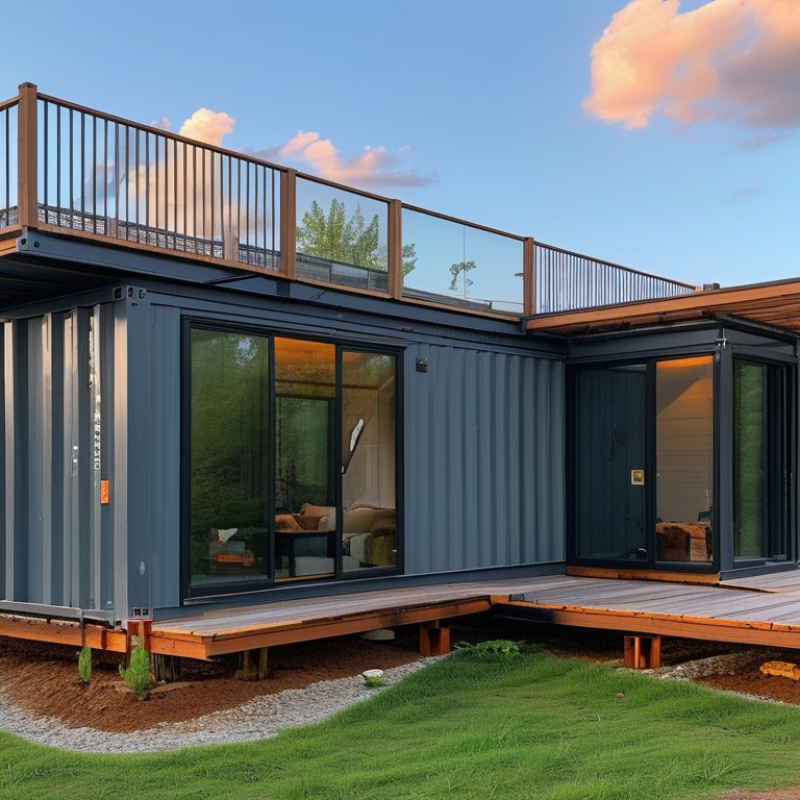
Factors to Consider When Choosing a Foundation for Container Houses
Choosing the right foundation for your container house is essential. Several factors play a crucial role in making this decision. Soil type is a fundamental consideration. Sandy soil drains well, while clay soil can expand and contract. This can affect stability over time, which is something you need to assess carefully.
Another factor is climate. In regions with heavy snowfall or winds, the foundation must withstand these forces. Concrete piers or slabs are popular in colder areas to prevent frost heave. You should also consider moisture levels in the ground. A raised foundation may be necessary in areas prone to flooding. Additionally, the weight of the containers adds another layer of complexity. It’s vital to ensure the foundation can handle this weight over time.
Accessibility is also worth considering. The construction site should allow machinery to deliver materials easily. If the landscape is challenging, it may lead to unexpected costs or delays. Reflecting on the long-term implications of your foundation choice is critical. It’s not just about immediate needs; you should think about future resilience, maintenance, and potential modifications to your container home.
Types of Foundations Suitable for Container Housing
Choosing the right foundation for your container house is crucial. Different foundation types offer various benefits and considerations.
Pier foundations, for instance, are popular because they elevate the structure. This prevents moisture damage and can accommodate uneven terrain. According to the Container Housing Association, over 40% of container home builders prefer this type due to its flexibility.
Concrete slab foundations provide a stable base for container homes. They are beneficial in areas with harsh weather. A concrete slab extends the lifespan of the home by being durable against shifting soil. However, in cold climates, insulation is vital to prevent heat loss. In fact, the International Energy Agency recommends that builders consider insulation to improve energy efficiency significantly.
A combination of these methods might be best. For example, some might choose piers on one side and a slab on the other. Each foundation type has pros and cons. Builders should carefully assess local climate and soil conditions. Neglecting these factors could lead to costly repairs later. Proper planning is key to a successful container home foundation.
Assessing Soil Conditions for Container House Foundations
Soil conditions are crucial when selecting a foundation for a container house. A reliable foundation ensures the stability and longevity of the structure. According to a recent industry report, nearly 30% of structural failures in homes are linked to inadequate soil assessment. Understanding soil type, bearing capacity, and drainage is essential for a successful foundation.
Start by conducting a soil test. This analysis provides insight into the soil's texture, composition, and load-bearing capabilities. Clay soils, for instance, can retain moisture and expand, while sandy soils drain quickly. This information allows for tailored foundation solutions. The National Association of Home Builders (NAHB) states that a safe container home foundation must consider these variables. Ignoring them can lead to costly repairs and safety risks.
It's important to acknowledge that even with proper assessment, challenges may arise. Soil conditions can change over time due to weather or human activity. Regular inspections are necessary to ensure the foundation remains stable. A comprehensive understanding of soil dynamics will reduce the likelihood of structural issues, but there's always room for improvement in foundation design and construction practices.
Regulations and Permits for Container House Foundations
When planning a container house, understanding regulations and permits for foundations is crucial. Local building codes vary significantly. Research the specific requirements in your area. Some regions may have strict guidelines for structural integrity and environmental impact. These regulations influence the type of foundation you can use.
Permits are often necessary before construction begins. This can include zoning permits, building permits, and site-specific approvals. Contact your local planning department to gather all required documents. Sometimes, delays occur due to missing paperwork, which may link back to insufficient research. It’s advisable to double-check every detail before submission.
Be prepared for inspections during and after foundation work. Failure to comply with regulations can result in fines or the need for costly modifications. Not every foundation type is suitable everywhere. Understand your site’s soil conditions and drainage issues. These factors affect the long-term durability of your container home. Building the right foundation is not just about meeting regulations; it’s about ensuring safety and sustainability for years to come.
Foundation Types for Container Houses
Cost and Durability Comparisons of Different Foundation Options
When selecting a foundation for your container house, it's crucial to weigh cost against durability. The three main foundation types are pier, slab, and crawl space. According to a 2023 industry report, pier foundations range from $5,000 to $15,000, depending on the materials and labor costs in your area. Slab foundations, while requiring more upfront investment, can cost between $10,000 and $20,000.
Durability is another key factor to consider. Pier foundations offer excellent support and longevity, often lasting over 30 years with minimal maintenance. Conversely, slab foundations, despite their initial expense, can face cracking in extreme weather or ground shifts. A study by the National Association of Home Builders indicates that about 15% of homeowners experience issues with slab foundations over time.
Crawl space foundations can provide a middle ground in terms of cost, ranging from $8,000 to $18,000. They also offer better airflow and moisture control, which can extend the life of your home, but often require extra maintenance. Evaluating these options requires careful consideration of your specific location and climate conditions. Understanding the long-term impacts of your foundation choice is essential.
FAQS
: Consider soil type, climate, moisture levels, and container weight. Each impacts stability significantly.
Sandy soil drains well, while clay soil can expand and contract. This directly affects stability over time.
In harsh climates, foundations must withstand snowfall and winds. Concrete piers or slabs can offer extra support.
Popular choices include pier foundations and concrete slabs. Each has unique benefits and considerations.
Start with a soil test. This reveals the soil's texture, composition, and load-bearing capabilities.
Yes, weather and human activity can alter soil conditions. Regular inspections ensure ongoing stability.
Ignoring soil assessment can lead to costly repairs and safety risks. Stability of the structure may be compromised.
The foundation must support the weight of containers over time. Failure to do so may result in structural issues.
Reflect on long-term implications of your foundation choice. Maintenance and potential modifications are vital to consider.
Different foundation types may lead to unexpected costs. Evaluate local conditions to avoid issues later on.
Conclusion
When planning a container house, understanding what foundation is needed for a container house is crucial. Key factors to consider include the weight of the container, local climate, and soil conditions. Container houses can utilize various foundation types such as concrete slabs, pier foundations, or block foundations, each offering unique benefits in stability and support.
Assessing soil conditions is essential to ensure that the chosen foundation can withstand the load and environmental factors. Additionally, it's important to check local regulations and permits to comply with building codes. Cost and durability comparisons of different foundation options will also play a significant role in the decision-making process, ultimately influencing the overall success and longevity of the container house.

 Stinson Modular Homes