Container homes are becoming increasingly popular. They offer a unique housing solution that is often more affordable than traditional homes. However, potential buyers should be aware of some challenges. Many people ask, "what are common problems with container homes?" It’s essential to explore these issues before making a decision.
One major problem is insulation. Container walls can get very hot or cold without proper insulation. This affects energy efficiency and comfort. Another concern is the rusting of containers. Exposure to moisture and weather can lead to corrosion if not treated properly. Additionally, zoning and permit issues can arise. Not every area allows container homes, creating potential legal hurdles.
Purchasing a container home is not a simple process. It requires careful planning and consideration. While they look visually appealing, the practical aspects need evaluation. It's vital to weigh the pros and cons before committing. Understanding the common problems can lead to a more informed and sustainable choice.
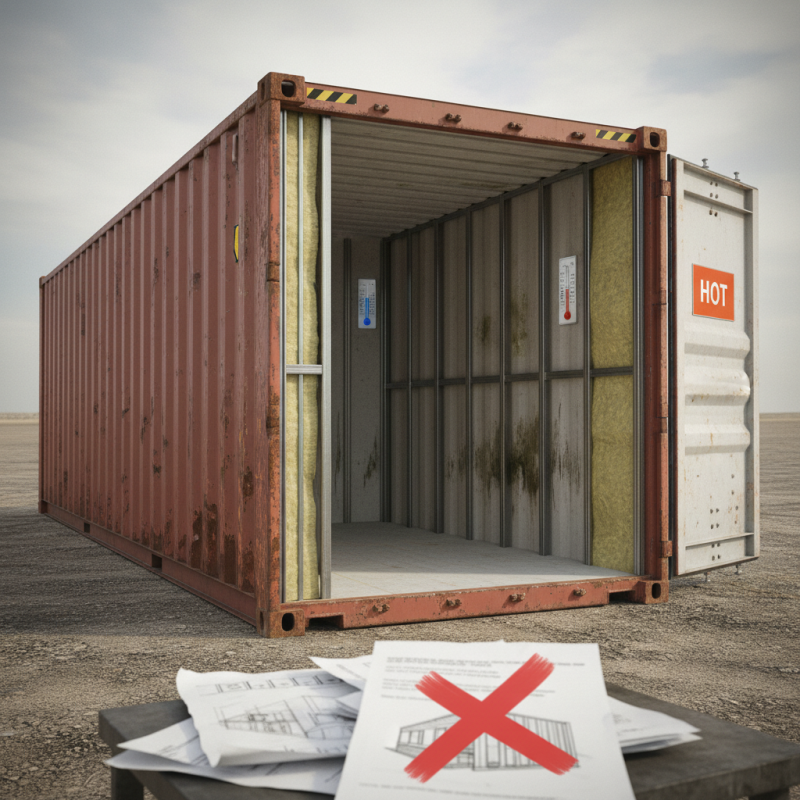
Container homes are gaining popularity, but they often come with
structural issues
that need addressing. According to industry experts, over
30% of container homes experience significant
structural problems within the first few years. Common issues include
rust, inadequate insulation, and improper
ventilation. Rust can develop quickly if containers are not treated before construction.
This not only affects aesthetics but also the home's integrity.
Insulation is critical in container homes due to the metal's high thermal conductivity. A study conducted by the Building Research Establishment found that poorly insulated homes can lead to energy losses of up to
70%. This results in increased heating and cooling costs, prompting homeowners to rethink their insulation choices. Many initially opt for cost-effective solutions but later face challenges.
Ventilation is another overlooked problem. Many container homes lack sufficient airflow, leading to moisture buildup and potential mold growth.
The American Society of Home Inspectors indicates that mold can develop in as little as 24 to 48 hours if the conditions are right. Homeowners often need to invest more time and resources to retrofit these systems, pointing to the need for thorough planning during the construction phase.
Addressing these issues upfront can prevent costly repairs and enhance living conditions in the long run.
: Common issues include rust, inadequate insulation, and improper ventilation.
Rust impacts both aesthetics and the home's structural integrity if not treated before construction.
Insulation prevents significant energy loss, which can be as high as 70% without proper materials.
Insufficient airflow can lead to moisture build-up and mold growth, posing health risks.
Hidden costs may arise from site preparation, foundational work, and interior fittings beyond the container price.
Many overlook expenses for windows, doors, and compliant electrical or plumbing installations during planning.
Consider spray foam, rigid foam boards, or eco-friendly options like wool or cellulose for better temperature control.
Install operable windows or vents and regularly check for sealing gaps to promote air circulation.
Thorough planning helps prevent costly retrofitting and improves overall living conditions and comfort.
Small gaps can lead to significant temperature fluctuations, so periodic checks and sealing are essential.
Container homes are becoming an increasingly popular housing solution, but potential owners should be aware of what are common problems with container homes. Structural issues can arise from the unique design and materials used, necessitating careful planning and reinforcement. Additionally, environmental considerations such as weather resistance are crucial to ensure these homes remain durable and comfortable in various climates.
Another important aspect is the cost analysis, as hidden expenses can significantly impact the overall budget. Insulation challenges must also be addressed to maintain ideal temperature control, ensuring energy efficiency and comfort. Lastly, navigating zoning and regulatory requirements can pose legal hurdles, making it essential for prospective container home owners to conduct thorough research and planning. Understanding these challenges can help mitigate risks and lead to a successful container home project.

 Stinson Modular Homes