As the world evolves, so do housing solutions, especially in the rental market. The question arises: are container homes suitable for rental business in 2026? This inquiry is crucial for investors and entrepreneurs looking for innovative opportunities. Container homes offer unique advantages but also face challenges.
On the positive side, container homes are eco-friendly and often cost-effective. They are easy to transport and can be customized easily. This flexibility can attract a diverse range of tenants. However, potential issues include insulation, condensation, and local regulations. These factors can affect the overall comfort and appeal of container living spaces.
Before making a decision, prospective landlords should weigh both benefits and drawbacks. Container homes have potential but also require careful planning and consideration. The evolving rental landscape demands a thorough understanding of market trends, tenant expectations, and regulatory environments. Thus, the suitability of container homes for rental business will depend on specific needs and local conditions.
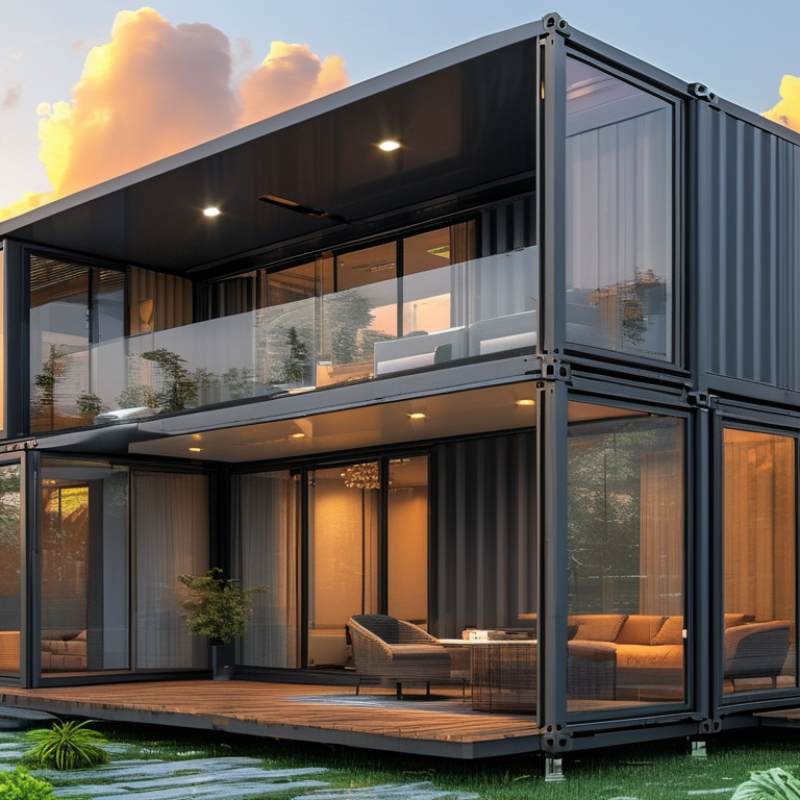
Container homes have gained traction as innovative housing solutions. Their design combines sustainability with affordability. Often crafted from repurposed shipping containers, these homes offer durability with unique aesthetics. The National Association of Home Builders recently reported that modular construction, including container homes, is becoming a popular choice, expected to reach a market size of $77 billion by 2026.
Notably, container homes can be customized for various purposes, including rental properties. They typically feature modern amenities, which can attract tenants looking for unique living experiences. Many designs include open floor plans, large windows, and eco-friendly materials. However, potential drawbacks include insulation challenges and limitations in space. Owners must consider these factors when planning for rentals.
**Tips:** Ensure your container home complies with local building codes. This can prevent costly legal issues. Focus on energy-efficient designs to lower utility bills and appeal to eco-conscious renters. Regular maintenance is crucial to address wear and tear, ensuring your rental remains attractive over time.
The rental market in 2026 is evolving rapidly. Innovations are reshaping how and where people choose to live. A key trend is the increasing demand for unique rental experiences. Reports indicate that 70% of travelers prefer accommodations that offer something distinctive, such as container homes. These structures can provide the novelty that many renters seek.
Container homes are more than just trendy. They offer sustainable living solutions. They are often more affordable than traditional rentals. A study from the Housing Research Institute states that container homes can reduce construction costs by up to 30%. This makes them appealing to property investors looking for profitable rental options. Yet, potential drawbacks exist. Insulation and climate control can be challenging in some regions, leading to varied living experiences.
Land use regulations also pose hurdles. Not all areas allow for container home rentals, which limits potential locations. Additionally, while they can be energy-efficient, upkeep costs can add up quickly if not managed properly. Balancing innovation with practicality is essential for success. As the rental landscape shifts, adapting to these demands will be crucial for developers and property owners alike.
Container homes are becoming popular in the rental market. They offer a unique, modern aesthetic. However, potential renters may have mixed feelings. Some appreciate the eco-friendliness. Others worry about space and comfort.
One major advantage is cost. Container homes are typically less expensive than traditional houses. This affordability can attract a diverse range of tenants. However, space limitations might mean fewer amenities. This can deter those seeking more luxurious accommodations.
On the flip side, durability is a strong point. These structures can withstand harsh weather. Yet, proper insulation is crucial for comfort in extreme climates. Renters might expect more when it comes to heating and cooling. Landlords must address these needs. Balancing affordability with quality is essential for success in the rental market.
As the rental market evolves, container homes present an intriguing investment opportunity. In 2023, the global market for container homes is projected to reach $70 billion and grow significantly by 2026. This growth suggests a potential boom for rental businesses focusing on container-based accommodations.
One of the key financial considerations is the initial investment. Typically, container homes cost around $20,000 to $50,000. This is often lower than traditional real estate. However, additional costs for land, permits, and utilities can escalate the total investment. Investors should also evaluate ongoing maintenance costs, which are generally lower than conventional houses. A survey by the Container Housing Institute shows that 25% of current container home owners report lower annual costs compared to traditional rentals.
While container homes can generate steady income, market demand fluctuates. They appeal mostly to younger renters seeking unique living spaces. According to the National Association of Realtors, 45% of renters aged 18-34 are interested in innovative housing solutions. Investors must stay updated on trends and regulations that might impact their profitability. Failing to do so can result in financial setbacks. Therefore, continuous market research is crucial for adapting investment strategies.
| Aspect | Data/Estimates |
|---|---|
| Average Cost of Container Home | $30,000 - $60,000 |
| Potential Rental Income per Month | $1,200 - $2,500 |
| Annual Maintenance Costs | $1,000 - $2,000 |
| Occupancy Rate (Estimated) | 70% - 85% |
| Return on Investment (ROI) | 8% - 12% |
| Financing Options | Personal Loans, Mortgages |
| Insurance Cost | $500 - $1,200/year |
Container homes are becoming a popular option for rental businesses. However, they come with unique regulatory and zoning challenges. Many municipalities lack clear regulations for these structures. This can lead to confusion for potential landlords and renters alike. It is essential to understand local laws before making any investments.
Zoning laws may restrict where container homes can be placed. Some areas might not allow them in residential zones. Compliance can involve time-consuming permitting processes. Each local government has different rules. It’s vital to conduct thorough research. This may involve consulting with legal experts or local authorities.
Another concern is the perception of container homes. Some people may view them as temporary or lower-quality housing. This bias could affect rental demand. Owners may need to invest in design improvements to attract quality tenants. Overall, potential container home investors should weigh these challenges carefully. They must consider both the legal landscape and community perception.
: Container homes are innovative housing solutions made from repurposed shipping containers. They combine sustainability and affordability.
They are typically less expensive than traditional homes and offer unique aesthetics. They can attract diverse tenants.
Yes, insulation and space limitations can affect comfort. Some renters may find these homes too small.
Incorporating modern amenities, open floor plans, and eco-friendly materials can attract tenants seeking unique living experiences.
Yes, it's essential to ensure that container homes meet local building codes to avoid legal issues.
Extreme weather can pose challenges. Proper insulation is vital for comfort and energy efficiency throughout the year.
Regular maintenance is necessary to keep the home attractive. Neglect can lead to costly repairs over time.
There is a rising demand for unique rental experiences, and container homes can fulfill this desire among renters.
Not all areas permit container home rentals, which can limit potential locations for investment or personal use.
They reduce construction costs significantly and promote eco-friendly living, attracting conscious renters.
In exploring the question of whether container homes are suitable for rental business in 2026, it's essential to consider various aspects. Container homes offer innovative designs and structures that appeal to the current market trends, catering to the growing demand for unique and affordable rental options. However, potential investors must weigh the pros and cons, such as versatility and cost-effectiveness against potential challenges in marketing and public perception.
Financial considerations play a crucial role in determining the feasibility of container home rentals, including initial investment and potential return on investment. Furthermore, regulatory and zoning challenges may pose significant barriers for those entering this niche market in 2026. Ultimately, while container homes present a promising opportunity for the rental business, careful consideration of these factors is necessary to assess their overall suitability.

Stinson Modular Homes