Can Container Homes Survive in Cold Weather Conditions?

Time:2026-05-07 Author:Madeline
0%

Container homes have gained popularity as sustainable living solutions. However, the question remains: can container homes be used in cold weather? This inquiry is crucial for potential buyers and builders. Many people view these homes as affordable and eco-friendly. Yet, the harshness of cold climates can challenge their durability and comfort.

Cold weather introduces unique challenges. Insulation is vital, but many container homes lack proper thermal barriers. Inadequate insulation can lead to frozen pipes and uncomfortable living conditions. Heating systems must also be carefully considered. Effective heating solutions may increase costs and energy consumption.

Additionally, some may underestimate the importance of proper ventilation. Frost and condensation can become serious issues if not adequately managed. It’s essential to explore these topics thoroughly. In short, while container homes can be adapted for cold climates, careful planning is crucial for success. Reflection on these aspects will help drive informed decisions.
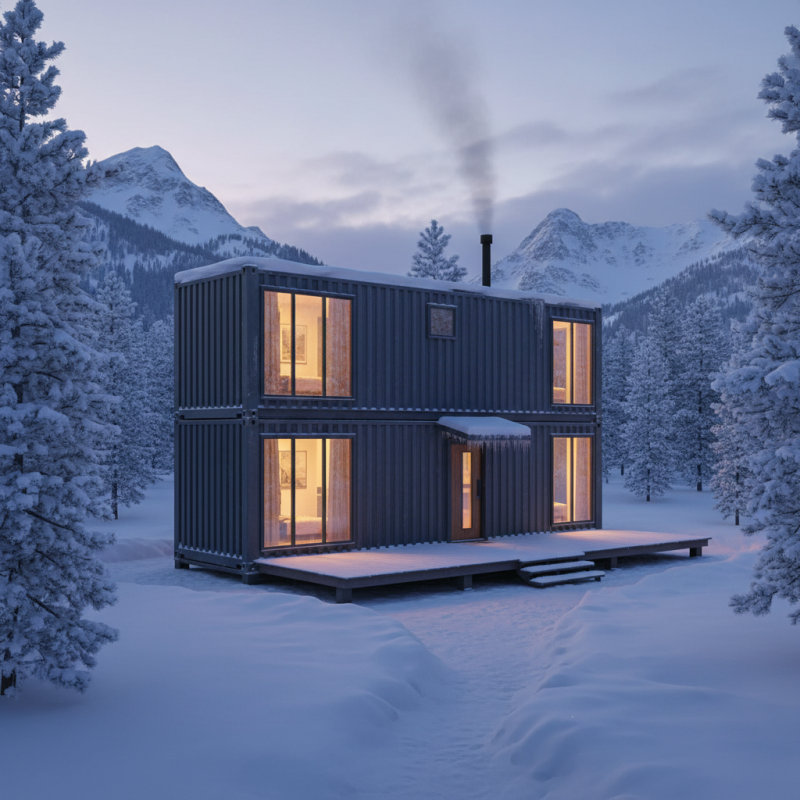
Can Container Homes Survive in Cold Weather Conditions?

Understanding Container Homes and Their Construction Materials

Container homes are gaining popularity due to their affordability and sustainability. They are made from repurposed shipping containers, which are typically steel structures. This material offers durability, but can pose challenges in cold weather. Proper insulation is crucial for maintaining a comfortable interior. Insulation helps prevent heat loss, ensuring residents stay warm.

When constructing container homes, choosing the right insulation material is essential. Options like spray foam, fiberglass, or rigid board can provide varying levels of effectiveness. Spray foam offers the best performance, sealing gaps that might let cold air in. However, it can be more expensive and requires professional installation. Fiberglass is a budget-friendly choice but may not be as efficient.

Ventilation is another critical component. Poor ventilation can lead to condensation issues. This is problematic in cold weather, as moisture can accumulate and cause mold. Homeowners must balance insulation and airflow to create a healthy living environment. The design of the container home should also consider placement and window size for optimal heat gain during the winter months.

Factors Affecting Container Home Performance in Cold Weather

Container homes can be a viable option in cold weather, but several factors influence their performance. Insulation is crucial. Standard shipping containers have minimal insulation. This can lead to significant heat loss. To improve thermal performance, consider adding insulation materials like rigid foam or spray foam. Many homeowners recommend these options for their effectiveness.

Ventilation is another important factor. Poor air circulation can lead to moisture buildup. This can result in mold and structural damage over time. Installing vents or using dehumidifiers can help manage humidity levels. Owners must monitor their homes regularly to detect issues early.

Tips: Always assess your climate zone before choosing materials. Research insulation types that fit your needs. Regular maintenance is key; check for leaks and seal them. Remember, investing in quality materials pays off in the long run. Every detail counts when creating a comfortable living environment in a container home.

Can Container Homes Survive in Cold Weather Conditions?

Insulation Techniques for Cold-Weather Container Homes

Container homes can indeed thrive in cold weather with the right insulation techniques. The key to maintaining comfortable temperatures lies in choosing effective materials and methods. According to a report by the U.S. Department of Energy, homes lose about 30% of their heat through inadequate insulation. Therefore, implementing high-quality insulating materials is essential for container homes in chilly climates.

Spray foam insulation is a popular choice. It offers high R-values, typically ranging from 6 to 7 per inch. This material expands to fill gaps, providing an airtight seal that prevents drafts. However, application can be tricky. Improper installation can lead to thermal bridging, where heat escapes through uninsulated areas. It's crucial to ensure thorough coverage in all accessible spaces.

Another technique involves using rigid foam boards. These boards can be applied to the exterior walls of a container home. They provide a continuous insulation layer, increasing the home’s thermal efficiency. The challenge lies in managing condensation. Without proper ventilation, moisture can build up within the walls, leading to mold growth. It’s vital to incorporate vapor barriers along with insulation techniques to prevent this issue.

Can Container Homes Survive in Cold Weather Conditions? - Insulation Techniques for Cold-Weather Container Homes

Insulation Technique Material Used R-Value Cost per Square Foot Installation Difficulty
Foam Board Insulation Polystyrene R-5 per inch $0.75 Moderate
Spray Foam Insulation Polyurethane R-6 to R-7 per inch $1.50 Challenging
Fiberglass Batts Fiberglass R-3.2 to R-4.3 per inch $0.45 Easy
Mineral Wool Insulation Rock Wool R-3.1 to R-4.2 per inch $0.70 Moderate
Reflective or Radiant Barrier Reflective Foil N/A $0.50 Easy

Heating Solutions for Container Homes in Extreme Cold Conditions

Heating a container home in extreme cold requires innovative solutions. Standard insulation may not suffice. Studies suggest using advanced insulation materials. Spray foam can provide R-values over 6 per inch. This allows a container home to retain heat effectively.

In addition, heating systems play a crucial role. Electric or propane heaters are popular choices. However, they often consume significant energy. A sustainable alternative is radiant floor heating. This system distributes heat evenly, ensuring comfort. Research shows this method can reduce heating costs by 30% compared to traditional systems.

Effective ventilation cannot be overlooked. Cold air seeps in, and moisture builds up. This can lead to problems like mold. Using heat recovery ventilators (HRVs) can help. They exchange stale air with fresh, while minimizing heat loss. Planning for these heating and ventilation strategies is vital for anyone considering a container home in colder climates.

Maintenance Tips for Long-Term Durability in Cold Climates

Container homes can be a practical choice for various climates, including cold weather. However, ensuring their durability in harsh conditions requires careful planning and consistent maintenance. Here are some essential tips to help your container home thrive even when temperatures drop.

Firstly, proper insulation is crucial. Use high-quality materials to keep your home warm. Spray foam insulation works well but may be hard to apply by yourself. Consider hiring professionals for a thorough job. Another option is to use insulating panels designed for container homes. They can provide better thermal protection. Don't forget to check for air leaks around windows and doors. Sealing these gaps can significantly reduce heat loss.

Regular exterior maintenance is also key. Inspect the coating and paint annually to prevent rust. Harsh weather can damage the container's surface. Use weather-resistant paint and consider reapplying as needed. Snow accumulation can be an issue. Keep the roof clear to prevent heavy loads that may lead to structural issues. Finally, ensure your plumbing is insulated. Frozen pipes can cause leaks and significant repairs.

Taking these steps can make a significant difference. Think about your unique climate and needs. Consistently maintain your container home for lasting comfort and durability.

FAQS

: What are container homes?

: Container homes are affordable and sustainable dwellings made from repurposed shipping containers. They are typically made of steel.

What insulation materials are recommended for container homes?

Options include spray foam, fiberglass, and rigid board. Spray foam performs best but can be costly.

Why is insulation important in container homes?

Proper insulation helps maintain a comfortable temperature and prevents heat loss, which is vital in cold weather conditions.

What heating systems can be used in container homes?

Electric heaters, propane heaters, and radiant floor heating are common options. Each has different energy consumption levels.

How does poor ventilation affect container homes?

Poor ventilation can cause condensation issues, leading to moisture accumulation and mold growth, particularly in colder climates.

What is a heat recovery ventilator (HRV)?

An HRV is a system that exchanges stale indoor air with fresh outdoor air while minimizing heat loss.

How can residents balance insulation and airflow?

Proper design, window placement, and ventilation systems help create a healthy and comfortable living environment.

What is the benefit of radiant floor heating?

It distributes heat evenly throughout the home and may reduce heating costs by 30% compared to traditional heating methods.

Are there challenges in heating container homes?

Yes, standard insulation may not be sufficient in extreme cold, requiring innovative heating solutions for comfort.

What should homeowners consider for winter months?

They should consider insulation, heating systems, and optimal design elements to maximize heat gain and minimize energy use.

Conclusion

Container homes have gained popularity for their unique design and efficiency, but a common concern is whether they can container homes be used in cold weather. The performance of these homes in frigid conditions largely depends on the construction materials and insulation techniques employed. Effective insulation is crucial, as it helps maintain a comfortable indoor temperature and prevents heat loss.

Heating solutions, such as electric or propane heaters, can further enhance comfort during extreme cold. Additionally, regular maintenance is essential for ensuring the longevity and durability of container homes in harsh climates. By addressing insulation, heating, and upkeep, those seeking to utilize container homes in colder regions can effectively overcome the challenges posed by low temperatures.

Madeline

Madeline

Madeline is a dedicated marketing professional with a wealth of expertise in our company's core offerings. With a keen understanding of the industry, she brings a unique perspective to her role, consistently delivering high-quality content that highlights the superior aspects of our products. As......