In recent years, container houses have gained popularity for their affordability and unique design. Many are curious about how fast can a container house be assembled. This question isn't just about speed. It involves understanding the entire process, from planning to final touches.
Typically, assembly can take as little as a few weeks, depending on the design complexity. However, the timeline may vary. Factors like site preparation, local regulations, and logistics play significant roles. Buyers often overlook these elements, leading to miscalculations in expected delivery times.
Some companies promise rapid assembly, but it's essential to verify their claims. Quality should not be sacrificed for speed. As buyers explore these options, they should remain critical. The right approach balances efficiency with a solid foundation for a lasting home.
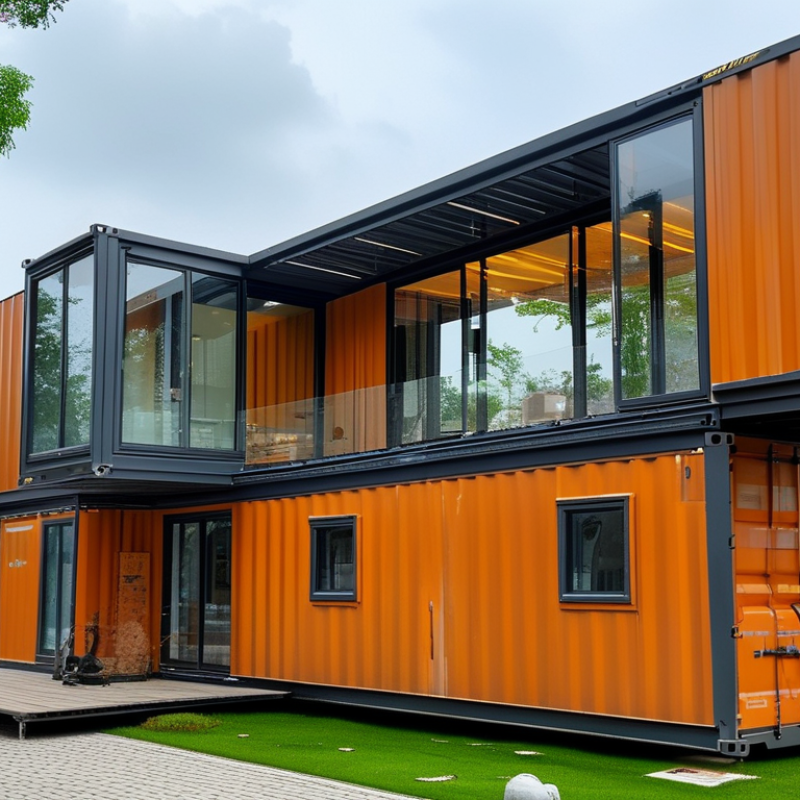
The assembly speed of container houses can vary significantly. Several factors influence how quickly these structures can be put together. One major factor is the design complexity. Simple designs often allow for faster assembly. More intricate layouts may require additional time for planning and execution. Additionally, the availability of skilled labor can impact speed. A team with experience can drastically reduce the time needed for construction.
Weather conditions also play a role. Rain or extreme temperatures can slow down the process. It’s essential to consider the season and typical weather patterns in the area before beginning. Site preparation is another critical aspect. A well-prepared site can expedite the assembly. However, if the groundwork is inadequate, delays will inevitably occur.
Logistics cannot be overlooked. The timely delivery of materials affects the overall timeline. Missing or late components can create substantial setbacks. Many buyers underestimate the importance of these factors. Reflecting on past projects reveals that planning and readiness can save valuable time. Each element should be carefully evaluated to ensure a smoother assembly process.
The assembly timeline for a container house can vary. Many factors influence this process. City permits, site preparation, and design choices all play a crucial role. However, most container homes can be assembled within a few weeks to a few months.
Initial site preparation is often the most time-consuming step. This might take two to four weeks. Clearing the land and setting up foundations require meticulous planning. Once the site is ready, bringing in the containers can be quick. Proficient teams can often place containers on-site in just a few days.
After placement, the interior work begins. This phase usually takes longer. Electrical, plumbing, and insulation must meet local codes. While a rushed schedule may seem tempting, it’s essential to ensure quality. Buyers should be aware that hasty decisions can lead to problems down the road. A balance between speed and quality is critical, as some choices may require reflection and revisiting.
When considering a container house, speed of assembly can significantly affect your overall experience. According to a report from the Container Housing Institute, averaging just three to six weeks, assembly time hinges on pre-planning and materials. Knowing how to speed this up can save you both time and money.
One key tip is to ensure all permits are secured before assembly begins. Delays often occur when regulatory approvals are pending. Additionally, pre-fabricated units can simplify the process. These units are designed to minimize on-site construction time. The report indicates that 75% of buyers who utilize prefabrication report faster completion rates.
Another crucial factor is site preparation. A well-prepared site can reduce assembly time by up to 30%. Clear the area of debris and ensure utilities are accessible. Poor site preparation can lead to unexpected interruptions. Lastly, consider hiring experienced contractors. Their expertise can streamline the assembly process significantly. Investing in professional help often pays off in efficiency.
This bar chart illustrates the average number of days required to assemble different types of container houses. Prefabricated units offer the fastest assembly time, followed by modular options, with traditional designs taking the longest to complete.
As container homes gain popularity, buyers should be aware of common challenges during assembly. One significant concern is structural integrity. A study conducted by the Modular Building Institute revealed that 35% of container structures face issues related to weak welds or material fatigue. These flaws can lead to safety risks and costly repairs. Ensuring that a qualified professional supervises the assembly can mitigate these risks.
Transportation is another challenge. Many buyers underestimate the complexities of moving containers to their assembly site. A report by FreightWaves states that transportation costs can inflate project budgets by up to 20%. Difficult terrain or urban regulations further complicate logistics. Proper planning and communication with transport providers are essential to avoid unexpected delays.
Moreover, site preparation is often overlooked. Performing adequate land assessments is crucial to prevent foundation issues. According to the International Code Council, around 25% of container homes require additional structural support due to poor site conditions. Skipping this step could lead to long-term stability problems. It's vital for prospective buyers to understand these challenges and prepare accordingly.
| Dimension | Details |
|---|---|
| Average Assembly Time | 2 to 4 weeks |
| Number of Workers Required | 3 to 6 workers |
| Key Phases of Assembly | Foundation, Frame Setup, Utilities Installation, Interior Finishing |
| Common Challenges | Site Preparation, Weather Conditions, Shipping Delays, Permit Issues |
| Cost Variation Factors | Location, Design Complexity, Material Choices |
| Sustainability Considerations | Recyclability, Energy Efficiency, Use of Eco-friendly Materials |
Post-assembly, container house owners face unique challenges. One critical aspect is energy efficiency. A recent report from the U.S. Department of Energy indicates that container homes can be less energy-efficient than traditional homes if not properly insulated. Insulation is crucial in maintaining a comfortable temperature. Poor insulation can lead to high energy bills and discomfort.
Another consideration is moisture control. Container homes, due to their steel construction, can experience significant condensation issues. According to the National Association of Home Builders, improper ventilation can lead to mold growth, which is not only harmful to health but also expensive to remediate. Regular inspections and proper ventilation are essential. Owners must remain vigilant to ensure longevity and durability.
Lastly, zoning and permits can pose difficulties. Many areas have strict regulations governing modular and container housing. Owners must investigate local laws to avoid future complications. Understanding these aspects helps to create a comfortable and lasting living environment.
: Secure all necessary permits before starting. This avoids delays.
Pre-fabricated units can reduce on-site construction time significantly.
A prepared site can reduce assembly time by up to 30%. Clear debris and ensure utility access.
Structural integrity issues can arise, often due to weak welds or material fatigue. Supervision helps.
Transportation can inflate budgets by up to 20%. Complex terrain may complicate the logistics.
Around 25% need extra structural support due to inadequate site conditions. This can cause long-term problems.
Energy efficiency might be lower in container homes without proper insulation. High energy bills can result.
Proper ventilation is a must. It helps prevent condensation and mold growth, which can be costly.
Local regulations on modular homes can be strict. Researching laws is essential for compliance.
Unexpected transportation costs and additional site preparation expenses can significantly raise your budget.
When considering "how fast can a container house be assembled," several factors come into play, including site preparation, design complexity, and availability of materials. Typical assembly timelines for container house projects can vary widely based on these factors, but with proper planning, many structures can be completed in just a few weeks. To ensure a swift assembly process, buyers should focus on crucial aspects like choosing a simpler design, pre-ordering materials, and working with experienced contractors.
However, potential challenges may arise during the assembly, such as weather delays or unforeseen site issues. Buyers should be prepared for these obstacles and understand that post-assembly considerations—such as inspections and utility connections—are necessary to ensure the longevity and functionality of the container home. By remaining informed and proactive, owners can enjoy their new living spaces in a timely manner.

Stinson Modular Homes