The modular container house industry is witnessing significant growth. According to a recent report by IBISWorld, the modular home market is expected to reach $64.92 billion by 2026. This rise highlights the need for customization to meet diverse homeowner needs. Understanding how to customize a modular container house is crucial for maximizing usability and aesthetic appeal.
Industry expert John D. McKinley emphasizes, "Customization is the heartbeat of modular design." He believes that tailoring a container house can transform it from a basic shell into a functional and inviting space. With numerous options available, such as layout changes, exterior finishes, and interior designs, homeowners can truly make these structures their own.
Yet, achieving the perfect customization is not without its challenges. Many potential owners may feel overwhelmed by choices or underestimate costs related to upgrades. It is essential to reflect on your needs and budget before embarking on this journey. Balancing creativity with practicality ensures that the final result reflects both individuality and functionality.
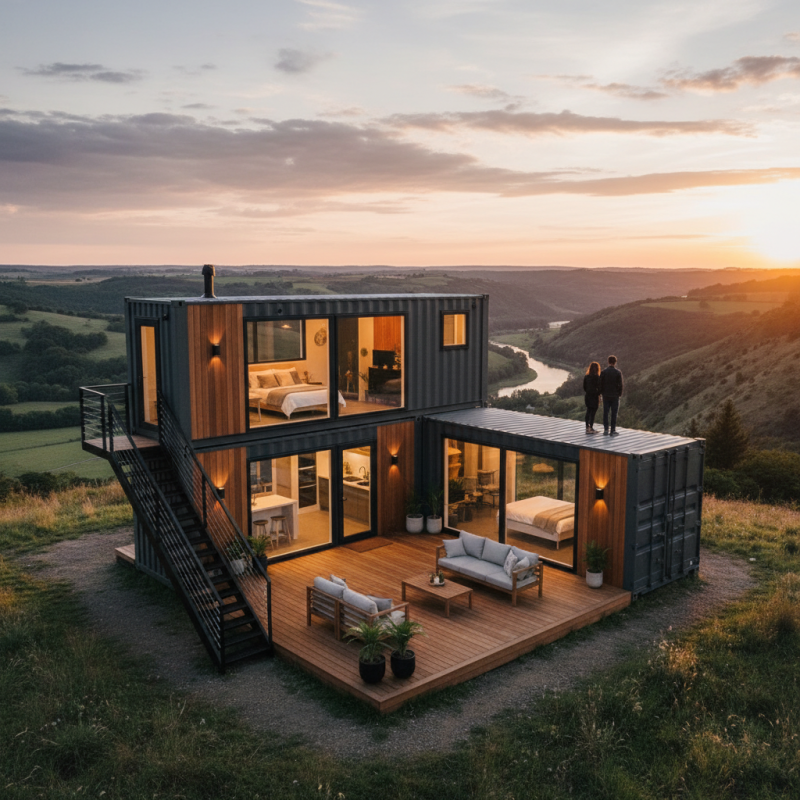
Modular container homes offer a flexible approach to living spaces. They come with many advantages. First, they're environmentally friendly. Reusing shipping containers reduces waste. This solution can lead to lower construction costs, too. Building with containers minimizes the need for traditional materials. These homes can be designed to suit various needs.
Customization is key when considering a container home. You can modify size, layout, and style. If you enjoy open spaces, removing walls between containers creates a larger area. Want a cozy nook? A smaller container can be converted into that retreat. There is a learning curve when it comes to insulation and plumbing. It's essential to get it right for comfort.
However, challenges exist. Zoning laws might limit you. Local regulations can add complexity to your project. Also, not every container is structurally sound. Inspecting the condition of containers is crucial. Creativity in design can turn limitations into unique features. Embracing these challenges helps create a space that reflects your personality.
When customizing a modular container house, assessing space and zoning requirements is vital. Research indicates that over 50% of modular construction projects face zoning challenges. These challenges can significantly impact your design and layout, so understanding local regulations is crucial.
Begin by examining your property’s dimensions and layout. Are there any restrictions on the height or size of your structure? Many municipalities have specific guidelines. For instance, setbacks are common, dictating how far buildings must be from property lines. These rules can limit your options. If you plan to live in a densely populated area, additional zoning requirements may apply. Accessibility standards must also be considered, particularly for multi-unit projects.
It’s also essential to evaluate utility access. Some container homes require more extensive plumbing or electrical services than traditional homes. In fact, a report from the National Association of Home Builders shows that 40% of custom builds encounter unexpected utility issues. Addressing these aspects early on will save time and costs later. Failure to comply with zoning regulations can lead to fines or forced alterations. Ensure you factor in these potential obstacles in your planning process.
When customizing a modular container house, the layout and design play a crucial role in aligning with your lifestyle needs. Research indicates that more than 70% of homeowners look for space that enhances their daily routines. An open floor plan might appeal to families who value togetherness. Alternatively, segmented spaces can offer privacy and quiet, particularly beneficial for remote work.
Tip: Consider your daily activities. If you enjoy cooking, a larger kitchen with an island can enhance your experience.
Modular homes provide flexibility in design. Incorporate multifunctional spaces to maximize utility. According to recent studies, homes with flexible layouts can increase resale value by up to 15%. However, it's essential to critically assess each choice. Are you truly using that extra bedroom, or can it be repurposed to serve a more fulfilling function?
Tip: Visualize how each room supports your lifestyle before committing.
Selecting the right aesthetics also affects your mental well-being. Natural light and calming colors can improve mood and productivity. Think about personal preferences. Will your choices truly reflect your identity, or will they follow fleeting trends? Each decision should cater to your unique lifestyle while allowing space for change.
When customizing a modular container house, integrating essential utilities is key. Research indicates that around 67% of homeowners prioritize energy efficiency when setting up their container homes. This focus includes adopting solar panels, which can reduce energy costs significantly. Utilizing smart systems for heating and cooling can enhance comfort and minimize energy waste.
Water supply and waste management are vital as well. Modular homes can incorporate efficient plumbing systems that rely on rainwater collection. According to industry reports, homes that use rainwater can save up to 50,000 gallons of water per year. However, some homeowners struggle with finding the right balance between cost and quality in this aspect. Regular maintenance is often overlooked, leading to inefficiencies.
Moreover, investing in reliable insulation is crucial for temperature regulation. Many container homes experience temperature fluctuations without proper insulation. Industry data reveals that improper insulation can increase energy usage by as much as 30%. Homeowners need to reflect on their choices and consult experts when determining the best insulation types and techniques.
| Utility/System | Customization Options | Considerations |
|---|---|---|
| Electrical System | Solar panels, energy-efficient lighting, smart home integration | Energy needs, location's sun exposure, installation costs |
| Plumbing | Eco-friendly fixtures, water recycling systems, tankless water heaters | Water supply availability, storage space, local regulations |
| Heating & Cooling | Mini-split systems, radiant floor heating, thermal insulation | Climate considerations, energy efficiency, space planning |
| Ventilation | Natural ventilation, mechanical ventilation systems | Air quality needs, space layout, humidity control |
| Safety & Security | Alarm systems, reinforced doors, outdoor lighting | Local crime rates, personal safety, insurance considerations |
When customizing a modular container house, aesthetics play a significant role. Interior and exterior finishing options are crucial in creating a personalized space. According to a market research report, 60% of homeowners prioritize aesthetic appeal when making design decisions. The choices you make will reflect your personality and lifestyle.
For exterior finishes, options like wood cladding, metal panels, and sustainable materials are popular. Each material provides a unique appearance and energy efficiency. In a recent study, 70% of buyers noted they prefer eco-friendly options. This trend highlights a shift towards sustainability in housing design. Furthermore, colors can dramatically impact curb appeal. Dark hues can add sophistication, while bright colors bring vibrancy.
Interior finishing also requires thoughtful choices. Durable flooring, such as vinyl or bamboo, blends functionality and style. In fact, 68% of homeowners choose these materials for ease of maintenance. Wall treatments range from paint to creative wallpaper designs. Lighting design is another essential aspect. Layering lights creates ambiance and enhances the space's mood. However, many people overlook the importance of adequate lighting. Personalizing your modular home can be a rewarding journey, but it requires careful consideration. Each choice contributes to the overall feel of the space.
: Modular container homes are flexible living spaces made from shipping containers. They can be customized for different needs.
They reuse shipping containers, reducing waste. This approach also minimizes the need for traditional building materials.
You can modify size, layout, and style. Removing walls creates open spaces, while smaller containers can become cozy retreats.
Zoning laws might limit your design. Inspecting container condition is important, as not all are structurally sound.
Over 50% of modular projects face zoning issues. Understanding local regulations impacts your design and layout significantly.
Many container homes need more plumbing and electrical work. 40% of projects encounter unexpected utility problems.
An open floor plan suits families, while segmented spaces can provide privacy for remote work.
Natural light and calming colors boost mood. Ensure choices reflect your identity rather than fleeting trends.
When exploring how to customize a modular container house, it is essential to understand the inherent benefits these homes offer, such as adaptability and cost-effectiveness. The first step involves assessing your space and zoning requirements to ensure compliance and functionality. This allows you to make informed choices regarding layout and design that align with your lifestyle needs.
Next, consider the integration of essential utilities and systems to enhance comfort and convenience. Finally, personalizing the aesthetics through both interior and exterior finishing options can transform your container home into a unique reflection of your style. By carefully considering these factors, you can create a customized living space that meets your individual requirements while embracing the innovative nature of modular container housing.

Stinson Modular Homes