Building a container house is an exciting endeavor, but it requires careful consideration of the foundation. According to industry expert, John Ames, "The right foundation is crucial for the longevity of your container home." So, what foundation is needed for a container house?
Understanding the soil type and climate is the starting point. In many cases, a simple concrete slab suffices. However, colder climates may need deeper foundations to prevent shifting. Many builders overlook these factors, leading to future structural issues.
Container homes also require proper ventilation. A solid foundation can help maintain this balance. It's essential to think about drainage, which can significantly impact your house's stability. Choosing an appropriate foundation can be challenging. It requires thought, research, and sometimes, expert advice.
Types of Foundations Suitable for Container Houses
When considering a foundation for a container house, it’s essential to explore suitable options. A solid foundation supports the weight of the structure and ensures stability.
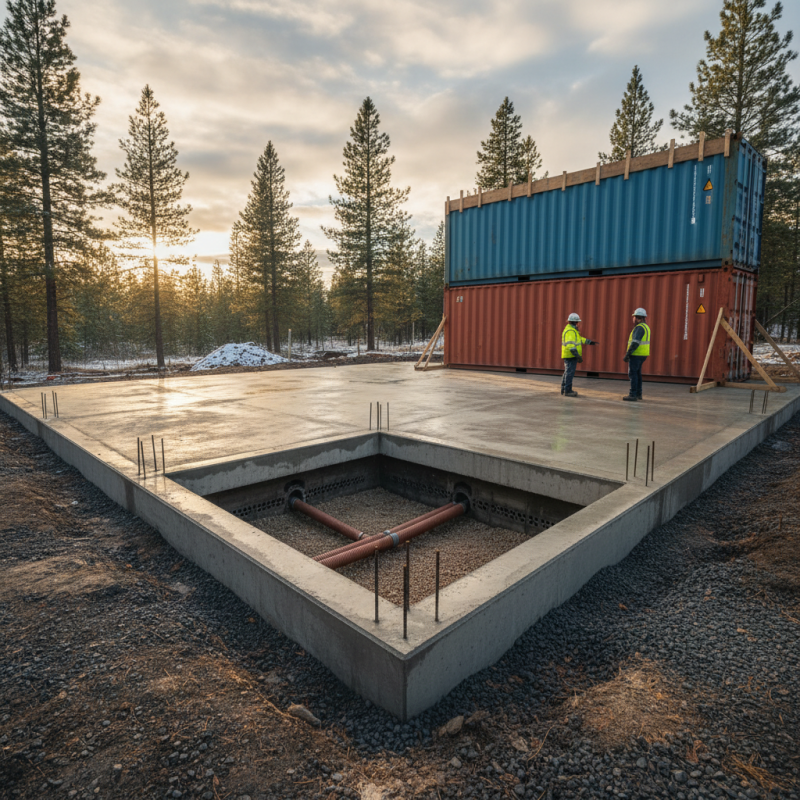
Concrete slabs are a popular choice. They provide a flat base and are resistant to pests and moisture. This option works well in areas with stable soil. However, it may not be suitable for all climates.
Pier foundations are another alternative. They elevate the house above the ground, reducing flood risk. This foundation consists of posts or piers inserted into the ground. It can be more budget-friendly but may require additional reinforcement. Those living in earthquake-prone regions might need to rethink this option, as stability becomes a concern.
Crawl spaces offer a middle ground. They provide ventilation and access to utilities. But, this foundation type could lead to insulation issues. Moisture may accumulate underneath the container. Each foundation type has its benefits and drawbacks. Choosing one requires careful consideration of the local environment and personal preferences. Always seek advice from professionals for tailored solutions.
Factors to Consider When Choosing a Foundation
Choosing the right foundation for your container house is crucial. It affects stability and durability. Different factors influence your decision. Local climate, soil type, and zoning laws must be considered. Each variable can significantly impact your foundation choice.
Soil conditions are essential. For example, sandy soils may need a more robust foundation. Clay soils can expand or contract, causing potential issues. Understanding your land is vital. Check for drainage issues. Poor drainage can lead to water accumulation, harming your container structure over time.
Another factor is local regulations. Some areas have strict building codes. Ascertain what is required. This includes depth and type of foundation. A professional inspection is wise. It can reveal hidden concerns. Skipping this step could lead to costly mistakes later. Always weigh these factors carefully before deciding.
Steps to Prepare the Site for a Container House Foundation
Preparing the site for a container house foundation requires careful consideration. Start by evaluating the land area. Look for flat, stable ground that can support the weight of the container. You may need to clear rocks, vegetation, and debris. A survey might help identify the best spot. Think about drainage. Poor drainage can lead to serious issues later.
Once the site is cleared, mark the foundation area. Use stakes and string to outline the dimensions. Measure accurately; mistakes can be costly. Digging might be required, depending on the foundation type. For concrete piers, you will need to create holes. Ensure they are deep enough to reach stable soil.
Next, consider local weather conditions. Rain or snow can delay work. Allow time for the ground to dry if needed. Inspect your design thoroughly before pouring concrete. Small errors now can cause big problems later. You may want to consult with a professional to review your plans. This step can save future headaches. Being diligent at this stage is crucial for the success of your container house project.
Construction Techniques for Container House Foundations
When building a container house, the effectiveness of its foundation is crucial. Container homes can weigh between 3,000 to 6,000 pounds. This weight demands a robust foundation to support the structure. According to the International Code Council, a well-constructed foundation must bear the load, resist lateral forces, and prevent moisture intrusion.
Common techniques for foundations include concrete slabs, pier foundations, and screw piles. Each method has its advantages based on soil conditions and budget constraints. A concrete slab is ideal for stable soils, while screw piles offer flexibility for uneven terrains. A study by the Structural Engineers Association noted that roughly 35% of foundation failures in container homes were linked to improper design and soil analysis.
Tips: Always consult a professional engineer before deciding on a foundation type. Soil testing helps identify the best approach for your specific site conditions.
Visualizing the foundation layout is vital. Professionals recommend creating detailed drawings before construction begins. Poor planning can lead to costly adjustments. Foundation failures often arise from inadequate drainage, highlighting the need for proper moisture management. It's essential to conduct regular maintenance checks on the foundation to ensure long-term durability. Understanding these construction techniques can pave the way for a safe and resilient container home.
Best Practices for Insulating and Waterproofing Foundations
When constructing a container house, insulating and waterproofing the foundation is crucial. A solid foundation can prevent surface water infiltration. Without proper insulation, heat loss can occur. Insulation materials like foam boards are effective, but attention to detail is key. They should be installed tightly, with no gaps. Even minor oversights can lead to significant issues.
Waterproofing is another essential aspect. A layer of waterproof membrane should be applied to the foundation. This acts as a barrier against moisture. Neglecting it may lead to mold growth or structural damage over time. Always check for small punctures or tears in the membrane. Regular maintenance can help identify problems early.
Incorporating drainage solutions is also wise. Proper drainage prevents water buildup around the foundation. Install French drains or gravel beds to channel water away. The ground should slope away from your house to enhance drainage. Over time, even the best systems might require adjustments. Regular inspections can reveal changes that need to be addressed. Balancing insulation and waterproofing can lead to a sustainable and comfortable container home.
Foundation Types and Insulation Efficiency for Container Houses
FAQS
: Concrete slabs, pier foundations, and crawl spaces are common options.
They provide a flat base and resist pests and moisture, ideal for stable soil.
Pier foundations elevate the house, reducing flood risk and consisting of posts or piers.
They may require extra reinforcement, especially in earthquake-prone areas.
Crawl spaces offer ventilation and access to utilities but can lead to insulation issues.
Evaluate the land for stability, clear debris, and check for proper drainage.
Accurate measurement is crucial, as mistakes can lead to costly corrections.
Local weather can affect timelines; rain or snow may delay work.
Professional advice can help avoid errors in design and save future problems.
Small mistakes during preparation can lead to significant issues later in the project.
Conclusion
When considering what foundation is needed for a container house, it's essential to explore various foundation types that can support the unique weight and design of shipping containers. Suitable options include concrete slabs, pier and beam foundations, and even concrete blocks, each providing different benefits depending on soil type and climate. Factors such as local building codes, soil stability, and drainage should also inform your choice of foundation.
Preparing the site involves leveling the ground and addressing drainage needs to prevent water accumulation. Construction techniques are critical for ensuring durability, and incorporating best practices for insulation and waterproofing will enhance the foundation's longevity and the overall efficiency of the container house. Ultimately, choosing the right foundation lays the groundwork for a successful and sustainable container home.

 Stinson Modular Homes