Prefabricated housing is gaining traction in the construction industry due to its numerous advantages. According to a report by the National Association of Home Builders, prefabricated homes can reduce construction time by up to 50%. This efficiency allows for faster occupancy and quicker return on investment. When considering "what are the advantages of prefabricated housing," experts like Dr. Emily Larson highlight, "Prefabricated homes not only save time but also minimize waste and labor costs."
In addition to time savings, prefabricated homes often exhibit superior quality. With controlled manufacturing environments, components are produced with precision. The result is a more durable structure that meets strict safety standards. Yet, there are challenges to consider. Site preparation and transportation costs can vary widely, sometimes offsetting the benefits.
On a broader scale, the environmental impact of prefabricated housing is notable. With reduced construction waste and energy-efficient practices, the sector is moving towards sustainability. However, awareness is still growing. In some regions, traditional building methods remain prevalent. Understanding "what are the advantages of prefabricated housing" is crucial to shifting perceptions and embracing modern solutions.
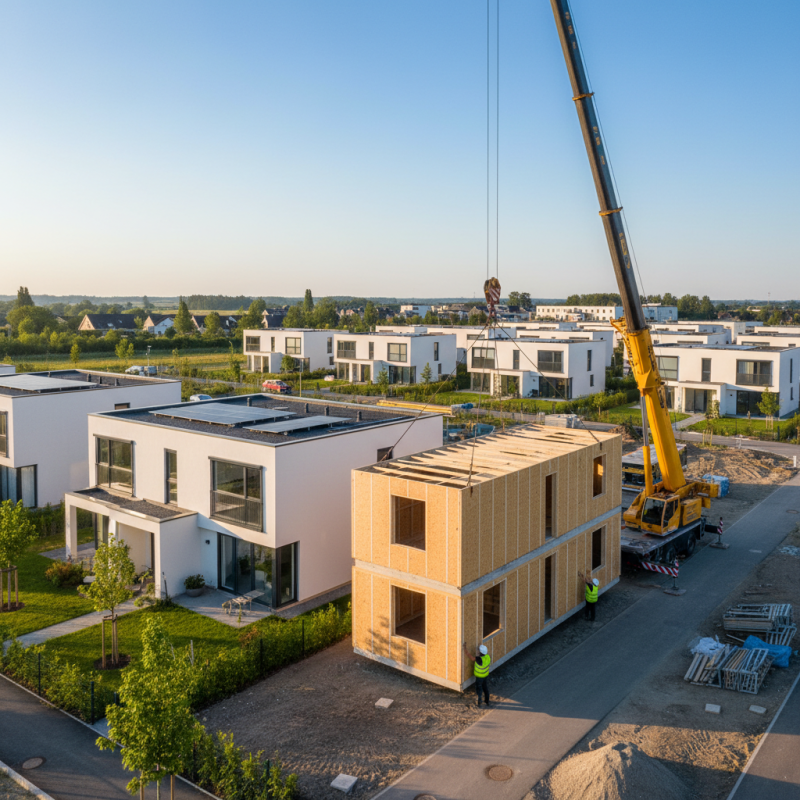
Key Advantages of Prefabricated Housing in Modern Construction
Prefabricated housing offers significant advantages in modern construction. One key benefit is time efficiency. Builders can complete projects much faster compared to traditional methods. According to a report by the National Association of Home Builders, prefabricated homes can be constructed up to 50% quicker. This speed directly reduces labor costs and minimizes delays from weather and other unforeseen factors.
Cost-effectiveness is another major advantage. In a data analysis by the Housing Industry Association, prefabricated homes are reported to be about 15-20% cheaper than their traditionally built counterparts. Factory-controlled environments reduce material waste and optimize resources. Moreover, the consistency of prefabricated components can lead to fewer errors and rework. However, some concerns remain, such as the limited customization options for buyers, which may deter those looking for a unique design.
Sustainability is also an important factor. Prefabricated housing often uses recyclable materials. A study by the United Nations indicates that prefabricated methods can reduce construction waste by 30%. This aligns with global efforts to lower the environmental impact of construction. Yet, the industry continues to face challenges in attaining wider acceptance. Some skeptics question the longevity and durability of prefabricated homes, which further fuels the need for ongoing research and innovation in this sector.
Cost Efficiency: How Prefabricated Homes Save Money
Prefabricated homes have gained popularity due to their cost efficiency. These homes are built off-site and assembled at the final location. This process can reduce construction time significantly. A report from the National Association of Home Builders indicates that prefabricated homes can be 10-20% cheaper than traditional builds. This savings comes from lower labor costs and fewer material waste.
Moreover, prefabricated housing can minimize site-related expenses. For instance, the limited construction time means reduced expenditure on permits and inspections. According to a study by Harvard University’s Joint Center for Housing Studies, these homes often result in lower utility costs, thanks to energy-efficient designs. However, some may argue that the perceived stigma surrounds prefabricated homes could deter buyers, impacting resale value.
In addition, prefabricated homes allow for easier financing options. Lenders often view them favorably due to their quicker turnover. However, potential buyers might find it challenging to navigate financing for manufactured versus modular homes. It’s essential to weigh the benefits against the public perception that could affect market demand. Understanding these nuances can help buyers make informed decisions.
Key Benefits of Prefabricated Housing - Cost Efficiency
| Benefit |
Description |
Estimated Savings (%) |
| Reduced Labor Costs |
Faster construction methods lead to lower labor expenses. |
10-20% |
| Bulk Purchasing of Materials |
Materials are purchased in bulk, reducing overall material costs. |
5-15% |
| Minimal Waste |
Efficient design and production reduce excess material waste. |
10-25% |
| Energy Efficiency |
Many prefabricated homes are designed for better energy efficiency. |
30-50% on utilities |
| Faster Time-to-Market |
Shorter build times allow for quicker sales and ROI. |
Varies by project |
Speed of Construction: Reducing Time to Build with Prefabrication
Prefabricated housing offers remarkable benefits, especially in speed of construction. Traditional building methods can take months or even years. In contrast, prefabricated homes can be completed in a fraction of that time. According to the National Association of Home Builders, prefabrication reduces construction time by up to 50%. This acceleration can be crucial for addressing housing shortages in urban areas.
The efficiency of prefabrication stems from simultaneous construction processes. While foundations are being laid, manufacturing occurs in a controlled environment. This process minimizes weather-related delays, a common issue in traditional building. A report from McKinsey indicates that prefabricated units can be installed in as little as two days, markedly reducing project timelines. However, challenges remain. Companies may face regulatory hurdles and logistical issues that can delay delivery.
Reliability is also a critical aspect of prefabrication. Components are built to strict standards, improving quality control. A study by the Building Research Establishment highlights that prefabricated homes often experience fewer structural problems than conventional ones. Nevertheless, some argue that design limitations can restrict creativity. Striking a balance between speed and design freedom remains an ongoing debate within the industry.
Sustainability: Environmental Benefits of Prefabricated Housing
Prefabricated housing is gaining traction for its sustainability benefits. Reports indicate that off-site construction reduces waste by up to 90%. Traditional building methods can generate significant debris. The precision of prefabrication minimizes excess material usage, enhancing efficiency.
Energy consumption is another area where prefabricated homes excel. Studies show they can be designed to be up to 50% more energy-efficient than conventional homes. This not only lowers utility bills but also reduces carbon footprints. Innovations in insulation and energy systems contribute to this efficiency.
Tips: Consider the environmental footprint of building materials. Recycled or sustainably sourced materials can further enhance sustainability.
While the advantages are clear, challenges remain. Not all regions have the infrastructure to support prefabricated homes. Local zoning laws can complicate approvals. Potential buyers should evaluate their community's readiness for this housing trend. Engage with local authorities to understand any restrictions or requirements that may apply.
Customization and Design Flexibility in Prefab Homes
The trend of prefabricated housing is rapidly gaining traction for its design flexibility and customization options. Prefab homes allow homeowners to tailor their residences to their exact specifications. According to a report by the National Institute of Building Sciences, nearly 70% of customers consider personalization a top priority. This is a significant advantage when compared to traditional construction methods, which often involve rigid designs.
Customization in prefab homes includes choices in layout, materials, and finishes. Owners can select eco-friendly options, which appeal to the increasing number of environmentally conscious buyers. Moreover, a survey from the Home Builders Institute indicates that customizable features can increase a home's resale value by 20-30%. This makes investing in a prefab home not just a lifestyle choice but also a financially sound decision.
Tip: When designing a prefab home, think about future needs. A flexible room layout can serve different purposes over time.
It’s worth noting that while design flexibility is a major benefit, not all designs may fit local regulations or land constraints. Collaboration with experienced architects and builders is vital to navigate these challenges effectively. Another point to reflect on is the potential for unexpected costs during customization, which can exceed initial budgets. Planning and clarity are essential for a successful project.
Tip: Always have a detailed budget and a contingency plan. This approach ensures that surprises remain minimal throughout the building process.
Quality Control: Ensuring Higher Standards in Prefabricated Construction
Prefabricated housing has gained traction for its quality control measures. Industrialized construction allows for rigorous oversight of materials and processes. According to a report by McKinsey, prefabrication can cut construction costs by 20% and time by up to 50%. This efficiency translates to improved quality. Factories monitor every detail, ensuring that standards are not only met but exceeded.
The precision of prefabricated methods reduces the risk of errors on-site. Each component is fabricated in a controlled environment, minimizing exposure to weather and variables that can affect quality. A study from the National Institute of Standards and Technology highlights that off-site construction has the potential to reduce waste by 10% to 30%. This reduction not only supports sustainability but also enhances overall project integrity.
**Tip:** Regular quality inspections during the manufacturing phase can lead to better end results. Engage experts to periodically review materials and processes.
Some may argue that prefabrication lacks customization options. While customization is possible, it often requires careful planning. Understanding the balance between standardization and personalization can guide better outcomes.
**Tip:** Consider future needs when designing prefabricated elements. Flexibility in design can help accommodate changes over time.
By focusing on quality control, prefabricated housing enables builders to construct reliable and resilient homes. This sector continues to evolve, offering improved methodologies and standards for modern living.
Key Benefits of Prefabricated Housing
FAQS
: Prefabricated homes can be 10-20% cheaper than traditional builds. Savings come from lower labor costs and reduced material waste.
They are built off-site, which can cut construction time by up to 50%. This efficiency reduces site-related expenses.
Yes, their designs often lead to lower utility costs. This can positively impact long-term living expenses for homeowners.
Buyers may struggle with understanding financing for manufactured versus modular homes. This can complicate the purchasing process.
Yes, some buyers may be deterred by the stigma. This perception could affect the resale value over time.
Industrialized construction allows for rigorous material oversight. Factories monitor details, ensuring that quality standards are met and often exceeded.
Yes, but customization requires careful planning. Balancing standardization with personalization is important for better outcomes.
Off-site construction can reduce waste by 10-30%. This supports sustainability and enhances overall project integrity.
Regular quality inspections can lead to better end results. Engaging experts ensures that materials and processes meet high standards.
Buyers should consider future needs in their designs. Flexibility can help accommodate changes over time.
Conclusion
Prefabricated housing offers several key benefits that make it an attractive option in modern construction. One of the primary advantages of prefabricated housing is cost efficiency, as these homes typically reduce overall construction expenses through streamlined processes and reduced labor costs. Additionally, the speed of construction is significantly enhanced, allowing homes to be built faster than traditional methods, which is especially beneficial in addressing housing shortages.
Sustainability is another critical advantage, as prefabricated homes often utilize eco-friendly materials and methods that minimize waste and energy consumption. Furthermore, prefabricated housing provides customization and design flexibility, enabling homeowners to personalize their living spaces according to their preferences. Lastly, quality control in prefabrication ensures that building standards are consistently met, leading to a more durable and reliable final product. In summary, when considering what are the advantages of prefabricated housing, one can recognize its cost-effectiveness, quicker construction timelines, environmental benefits, design opportunities, and superior quality.

 Stinson Modular Homes