In recent years, modular container homes have surged in popularity. Their unique design and affordability attract many buyers. Yet, a common question arises: how long do modular container homes last? This query is essential for anyone considering this housing option.
Multiple factors influence the lifespan of these homes. Quality of materials, design, and maintenance play crucial roles. Proper insulation and weatherproofing are vital. Buyers should consult with experts to assess construction quality. Some may find that durability varies significantly based on these aspects.
Understanding the lifespan of modular container homes impacts long-term investment plans. Buyers must reflect on how much they’re willing to invest in upkeep. Sustainable living might require more frequent maintenance. Ultimately, prospective owners should weigh all considerations carefully before purchasing.
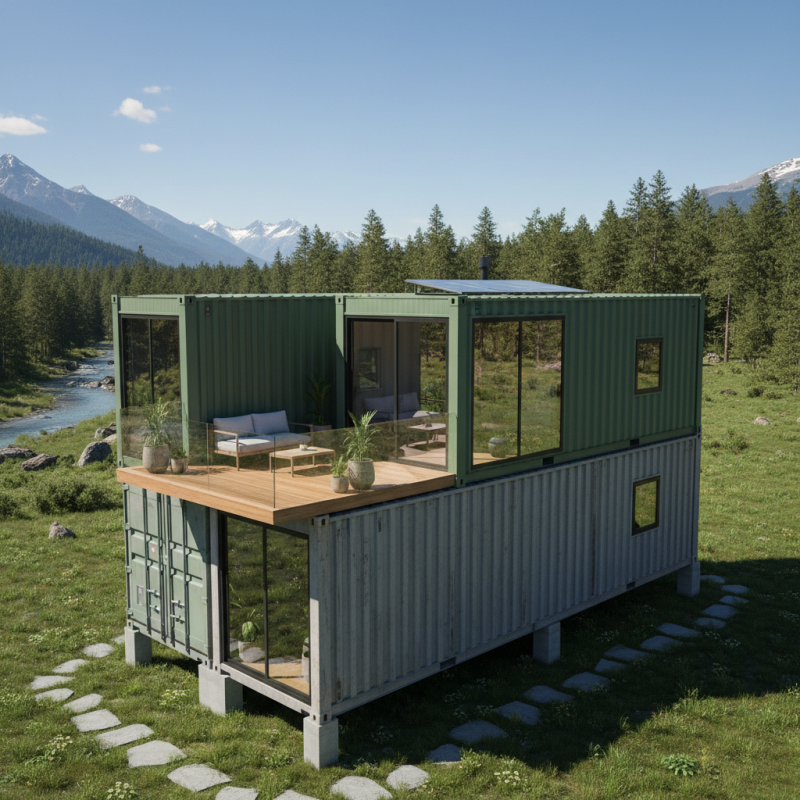
The lifespan of modular container homes depends on several factors. One key consideration is the
quality of materials used. Robust steel
containers resist rust and damage better than lower-quality options. Proper insulation is equally
crucial; it impacts energy efficiency and comfort. If insulation is poor, the home may
deteriorate faster.
Environmental factors also play a significant role. Homes situated in harsh climates may face
challenges. Extreme temperatures, heavy
rainfall, or high humidity can accelerate wear and tear. Regular maintenance can mitigate some of
these issues. Checking joints, seals, and paint regularly helps maintain
structural integrity.
The design and layout of the home affect its longevity too. Homes with adequate ventilation and
drainage systems last longer. Overcrowding or
poor design can lead to mold or structural problems. Buyers should consider these aspects
carefully before choosing a modular container home.
When considering the lifespan of modular container homes, the materials used play a critical role. Steel is the most common choice for these structures. It provides exceptional strength and durability. Properly maintained, steel containers can last over 25 years. However, exposure to rust can shorten this lifespan significantly.
Wood is another option for modular container homes. While it adds warmth and aesthetic appeal, it requires careful upkeep. Wood can last up to 20 years if treated and maintained regularly. Moisture and pests can compromise its integrity, which could lead to costly repairs. It's important for buyers to weigh these maintenance needs.
Additionally, insulation materials contribute to the overall longevity of a container home. High-quality insulation can improve energy efficiency and comfort. However, if improperly installed, it may degrade quickly. Buyers should be cautious and prioritize reliable installation methods. Understanding these factors will guide potential buyers toward making informed decisions.
| Material Type | Average Lifespan (Years) | Factors Affecting Lifespan | Maintenance Requirements |
|---|---|---|---|
| Steel | 25-30 | Corrosion, Exposure to Elements | Regular Cleaning, Anti-Corrosion Coating |
| Wood | 15-20 | Pests, Moisture, Weather Conditions | Sealing, Pest Control |
| Concrete | 30-50 | Cracking, Water Intrusion | Periodic Inspections, Sealing |
| Aluminum | 20-30 | Oxidation, Structural Stress | Surface Treatment, Regular Checks |
| Fiberglass | 20-30 | UV Degradation, Cracking | UV Protective Coating |
Modular container homes offer unique advantages, but their durability hinges significantly on climate and weather conditions. Extreme temperatures can affect the structural integrity of metal containers. In areas with high humidity, rust and corrosion can become serious issues. Proper insulation and exterior coatings are crucial for preventing these problems. Buyers should always evaluate local weather patterns before committing.
Heavy rains and strong winds can compromise the durability of these homes. If not properly anchored, container homes may face structural risks during storms. Snow accumulation in colder climates adds extra weight, which can strain the roof. These factors require thorough planning and assessments. Engaging with experienced builders can provide insight into adequate protective measures.
Investing in a container home should involve careful consideration of environmental effects. While these structures can last for decades, neglecting weather-related factors can lead to costly repairs. Regular maintenance and timely upgrades are essential for longevity. Buyers must stay informed about their region's climate and engage with professionals who understand these challenges.
To ensure the longevity of modular container homes, regular maintenance is key. Regular inspections can catch potential issues early. Look for rust, especially on the exterior. Seal and repaint areas that show wear. This small task can hugely extend the lifespan of your home.
Another important aspect of care is managing insulation. Poor insulation can lead to moisture buildup. This moisture can harm the structure over time. Use high-quality insulation materials to prevent heat loss and protect against cold. Confirm that all seams and joints are sealed properly to maintain integrity.
Landscaping around the container home also matters. Ensure good drainage to avoid water pooling near foundations. Excess water can damage walls. Regularly check drainage systems to keep them clear. Managing vegetation is vital too; overgrown plants can create habitat for pests. While these practices seem simple, neglect can lead to costly repairs down the line.
When considering modular container homes, buyers often wonder how their lifespan compares to traditional housing. Research shows that modular homes typically last between 30 to 50 years. In contrast, traditional homes can last 70 years or more with proper maintenance. This difference highlights the need for careful evaluation by potential owners.
Modular container homes are built using durable materials like steel. However, exposure to elements can impact their longevity. Regular maintenance is crucial. This includes inspecting seals and ensuring insulation integrity. Without proper care, even well-made container homes can suffer from corrosion and thermal issues over time.
**Tip:** When assessing a modular home, inquire about maintenance schedules. Understanding the upkeep can help mitigate risks.
Another important factor is energy efficiency. Traditional homes often benefit from established heating and cooling systems, contributing to their lifespan. Modular homes, while increasingly efficient, may require updates to match performance levels. Buyers should weigh these factors carefully.
**Tip:** Evaluate energy efficiency ratings. A well-insulated container home will have a longer functional life.
: The lifespan depends on material quality, insulation, design, and environmental factors.
Proper insulation is crucial for energy efficiency and comfort. Poor insulation can speed up deterioration.
Harsh climates, extreme temperatures, and high humidity can accelerate wear. Regular maintenance is essential.
Modular homes generally last 30 to 50 years, unlike traditional homes that can last over 70 years.
Regularly check joints, seals, and paint to maintain structural integrity and prevent corrosion.
Yes, energy efficiency is key. Updates may be needed to enhance performance compared to traditional homes.
Good ventilation and drainage systems can help prevent mold and structural issues.
They require regular upkeep. Neglect can lead to significant issues over time.
When considering "how long do modular container homes last," several factors must be taken into account. The materials used in construction significantly affect their lifespan; for instance, steel containers can last several decades with proper maintenance. Additionally, the impact of climate and weather cannot be overlooked, as regions with extreme conditions may accelerate wear and tear on these homes.
To ensure longevity, homeowners should engage in regular maintenance practices, such as sealing openings and performing inspections. When compared to traditional housing, modular container homes can offer comparable lifespans, provided that they are designed and maintained adequately. Understanding these considerations can help potential buyers make informed decisions about their investments in modular container housing.

Stinson Modular Homes