A prefabricated container home can look remarkably durable, with corrugated steel walls, reinforced corners, and a compact structure built for demanding transport conditions. Yet its original shipping purpose does not guarantee decades of comfortable living. The real service life depends on steel quality, insulation, drainage, coatings, workmanship, and local weather.
So, what is the lifespan of a prefabricated container home? In many cases, a well-designed and carefully maintained home may remain usable for 25 to 50 years or longer. However, this estimate is not a promise. Coastal salt, persistent humidity, heavy snow, poor ventilation, and careless modifications can shorten its useful life. A small roof leak, left unnoticed above a ceiling panel, may cause extensive corrosion over time.
Professional builders usually assess more than the container shell. They inspect welds, cut openings, foundations, waterproof membranes, plumbing connections, and thermal performance. These details matter. A strong steel box can still become an uncomfortable or unsafe home if condensation repeatedly collects inside the walls.
This guide examines the factors that influence durability, from the container’s initial condition to maintenance schedules and regional climate. It also considers warning signs, such as bubbling paint, rusty seams, soft flooring, and sticking doors. Experience shows that maintenance records are often as valuable as appearance. A recently painted exterior may hide older corrosion.
There is no single lifespan figure for every project. The honest answer requires context, qualified inspection, and realistic expectations.
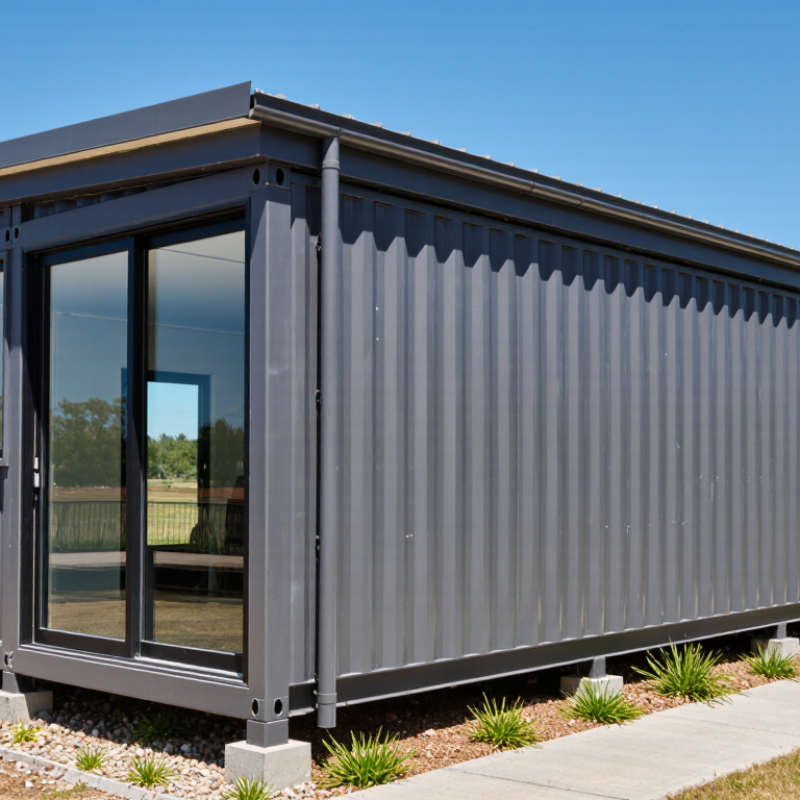
How Long Does a Prefabricated Container Home Last?
What Determines the Lifespan of a Prefabricated Container Home
A prefabricated container home can last 25 to 50 years, but its lifespan depends on construction quality. The container’s original freight service often lasts about 10 to 12 years, according to Container Owners Association industry guidance. Reuse changes the risk profile. Cutting openings weakens panels when reinforcement is poorly installed. A slightly uneven foundation can twist doors, floors, and window frames over time. I would not promise fifty years without inspection records.
Corrosion remains the quietest threat. NACE’s IMPACT Study estimated global corrosion costs at 3.4% of worldwide economic output. Coastal air, trapped condensation, and damaged coatings accelerate steel loss. A home near saltwater needs sealed welds, drainage gaps, and frequent coating checks. Interior insulation matters too. Warm indoor air meeting cold steel can create hidden moisture behind wall panels. The American Galvanizers Association’s corrosion data shows protective zinc life varies widely with coating thickness and environment. That principle applies here, even when galvanized parts are limited.
Maintenance decides more than the container label. Inspect roof seams after heavy storms. Check floor moisture, corner posts, fasteners, and ventilation annually. Replace failed sealant before water reaches insulation. Quality also depends on local engineering, welding practice, and foundation design. One neglected roof leak can cause expensive damage within a few seasons. A clean exterior may hide corrosion underneath. That is the uncomfortable part.
What Determines the Lifespan of a Prefabricated Container Home?
A prefabricated container home commonly lasts about 25–50 years. The service life depends mainly on moisture control, corrosion protection, construction quality, climate, foundation drainage, and regular maintenance. Inland locations with effective coatings and routine inspections generally provide longer service life than harsh coastal or persistently wet environments.
A prefabricated container home can serve for 25 to 50 years. The steel shell often lasts longer with careful maintenance. ISO 1496-1 testing emphasizes structural strength, watertightness, and corrosion control. However, testing does not guarantee residential service life. Coastal salt, trapped moisture, and poor drainage can shorten it sharply.
Paint and protective coatings usually need renewal every 5 to 15 years. This range reflects coating guidance and practical corrosion-control schedules. The roof membrane may last 15 to 30 years, depending on sunlight and ponding water.
Insulation commonly remains effective for 15 to 30 years. It can fail earlier when condensation stays hidden inside walls. That damage is easy to miss.
Interior floors may last 10 to 25 years. Plumbing pipes can reach 25 to 50 years, while fixtures often need replacement sooner. Electrical wiring may remain usable for 30 to 40 years, but switches and breakers age differently. Heating and cooling equipment commonly serves 10 to 20 years, consistent with housing component data published by the National Association of Home Builders.
Sealants often last only 5 to 10 years. Small gaps matter. A careful inspection every year is sensible, though not perfect. Actual service life depends more on detailing and maintenance than on the container’s age alone.
A prefabricated container home can remain serviceable for several decades, but no fixed lifespan is guaranteed. Steel does not fail on a calendar. Climate and site conditions usually decide the outcome.
Salt air is especially aggressive. ISO 12944-5:2018 classifies marine exposure as high or extreme corrosivity, requiring stronger protective systems. Small paint failures can become rust beneath insulation and floor edges. Humid climates also create interior condensation when warm air meets cold steel. That moisture often hides behind wall panels. Regular inspection matters.
Site engineering is equally important. ASCE/SEI 7-22 requires location-based wind, snow, and seismic design loads. A poorly anchored unit may experience frame movement during storms. NOAA recorded 28 billion-dollar weather and climate disasters in the United States during 2023. Flood-prone sites therefore need elevation, drainage, and corrosion-resistant connections. FEMA’s Coastal Construction Manual recommends protecting structural components from floodwater, wave action, and repeated wetting.
Soil movement creates another quiet threat. Expansive clay, weak fill, and poor drainage can twist corner castings and damage doors. Large window openings may also weaken the original frame if engineers do not redesign load paths. In practice, a 25-to-50-year service expectation can be reasonable for a carefully modified unit. It can be unrealistic near saltwater without frequent coating repairs. I would inspect welds, roof seams, underfloor steel, and anchor bolts annually. Many owners overlook the underside. That is the mistake worth reconsidering.
A prefabricated container home can remain serviceable for decades, but its lifespan depends heavily on maintenance. In practice, water causes more damage than age. Inspect roof seams, window frames, door gaskets, and floor edges after heavy rain. Look for bubbling paint, soft flooring, or a musty smell. Small signs matter. A neglected leak can reach insulation and hidden steel before the interior looks damaged. Keep an inspection log with dates, photos, and repair notes.
Wash exterior surfaces regularly, especially near roads, farms, or coastal air. Salt and dirt hold moisture against protective coatings. Remove debris from the roof and gutters before it blocks drainage. Touch up damaged coating quickly, but prepare the metal properly first. Painting over rust only hides the problem for a short time. Check plumbing connections beneath sinks and around water heaters. Replace worn seals instead of waiting for dripping to become flooding. Ventilation also matters. Use exhaust fans during showers and cooking, then allow damp rooms to dry fully.
Every few years, have a qualified building professional inspect welds, corrosion, insulation, foundations, and frame movement. Uneven doors or new cracks may indicate settlement, not ordinary aging. Heating and cooling equipment should receive routine servicing, because poor airflow can create condensation inside walls. It is easy to underestimate the underside. I would not ignore it again. A protected base, clear drainage path, and prompt repairs often preserve the structure far longer than cosmetic upgrades.յակ
A prefabricated container home can last 25 to 50 years, depending on climate, construction quality, and maintenance. The steel shell may remain strong, but smaller components often age sooner. Roof coatings fade. Sealants crack. Insulation loses performance.
A home does not age evenly. Look for reddish rust around corner posts, roof seams, doors, and cut openings. Soft flooring, bubbling paint, and a persistent damp smell can signal hidden moisture. Windows that no longer close properly may indicate frame movement or foundation settlement. I have found that owners often notice leaks only after interior panels stain. That delay makes repairs more expensive.
Some aging signs need prompt professional inspection. Deep corrosion, visible holes, distorted load-bearing sections, or repeated roof leaks may mean replacement is safer than patching. Electrical faults, damaged plumbing, and widespread mold also deserve serious attention. A surface repaint will not restore weakened steel. It only hides the problem.
Annual inspections help identify changes early, especially in coastal, humid, or freezing regions. Keep records of rust treatment, sealant replacement, drainage work, and structural repairs. A qualified building professional should assess serious corrosion and unusual movement. Repair costs can be compared with replacement costs, but price should not be the only measure. I once underestimated how quickly neglected condensation could damage interior framing. That mistake is worth remembering.
It can last 25 to 50 years with strong construction, proper foundations, and regular maintenance. Fifty years is never guaranteed.
Corrosion, water leaks, weak welds, poor anchoring, and foundation movement cause serious damage. Neglect matters more than age.
Yes. Salt air accelerates rust, especially around roof seams, floor edges, and damaged paint. Coastal homes need frequent coating inspections.
Check roof seams, doors, windows, drainage, and visible steel every year. Inspect again after severe storms.
Yes. Warm indoor air can meet cold steel and create hidden moisture behind wall panels. Ventilation helps, but it is not perfect.
Uneven ground can twist doors, floors, and window frames. New cracks or sticking doors may indicate settlement.
They can. Cutting openings changes load paths and requires proper reinforcement. A clean-looking wall may still hide structural weakness.
Clear roof drainage, replace failed seals, wash salty dirt away, and repair coating damage quickly. Small repairs matter.
Yes. Inspect underfloor steel, fasteners, and moisture regularly. Owners often overlook this area, including me in the past.
A prefabricated container home can provide many years of reliable service when its design, materials, installation, and maintenance are properly managed. The key question, “what is the lifespan of a prefabricated container home,” depends on factors such as steel quality, corrosion protection, insulation, structural modifications, workmanship, and the durability of doors, windows, roofing, plumbing, and electrical systems. While the main structure may remain usable for several decades, individual components usually require repair or replacement at different times.
Climate and site conditions also strongly influence durability. Coastal moisture, heavy rainfall, extreme temperatures, snow, and poor drainage can accelerate corrosion or damage. Regular inspections, repainting exposed steel, sealing joints, cleaning gutters, controlling humidity, and promptly repairing leaks can significantly extend service life. Signs of aging include rust, water intrusion, warped frames, insulation failure, and electrical or plumbing problems. Replacement may become necessary when structural damage is extensive, repairs are no longer economical, or the home can no longer provide safe and comfortable living conditions.
Stinson Modular Homes