How to Soundproof a Container Home for Ultimate Serenity?

Time:2026-06-16 Author:Amelia
0%

In recent years, container homes have gained popularity due to their affordability and sustainability. However, many homeowners face an often-overlooked issue: sound insulation. A report by the World Health Organization indicates that noise pollution affects over 30% of urban populations, impacting health and well-being. Learning how to soundproof a container home is essential for maintaining tranquility and comfort.

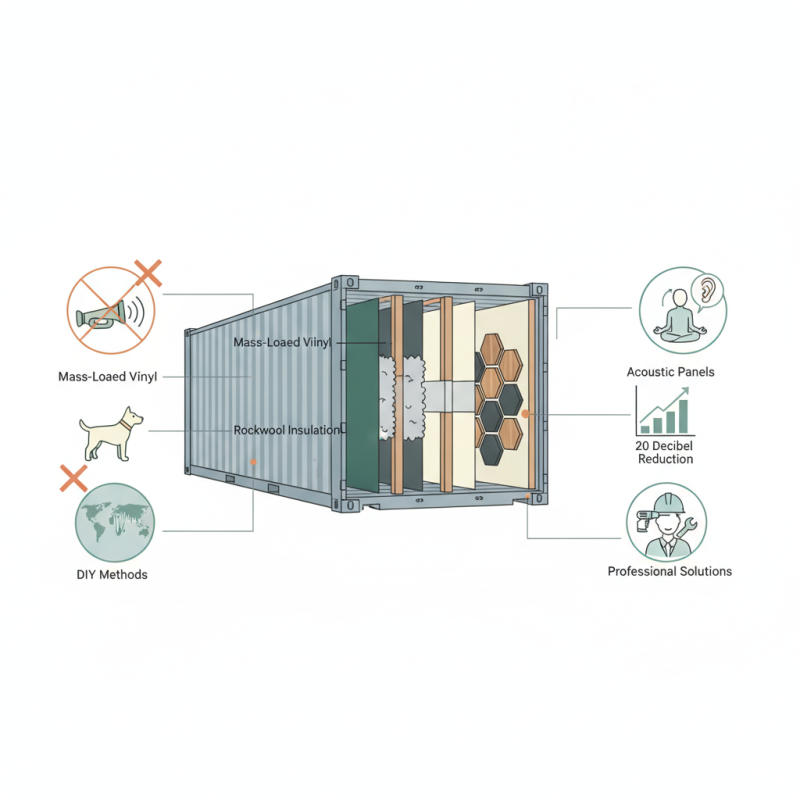
Container walls are typically thin and may transmit external noise easily. Studies show that effective soundproofing can improve living conditions significantly. Many experts suggest using high-density materials for insulation. For instance, mass-loaded vinyl can reduce sound transmission by 20 decibels. Homeowners must carefully choose materials and techniques to create a serene living space.

Common methods include adding drywall layers and using acoustic panels. Yet, not all techniques guarantee optimal results. Some may find that DIY methods fall short of professional solutions. Assessing one’s unique environment is crucial. Inadequately addressed noise issues can lead to frustration. Thus, understanding how to soundproof a container home is not just about comfort; it’s about enhancing quality of life.
How to Soundproof a Container Home for Ultimate Serenity?

Understanding the Basics of Soundproofing for Container Homes

When creating a container home, soundproofing is crucial. The unique structure of a shipping container may amplify noise. To combat this, you need to understand the basics of soundproofing. Key aspects include insulation, sealing, and layering materials.

Insulation is essential for absorbing sound. Consider using fibrous materials like mineral wool or cellulose. These options are not only effective but also eco-friendly.

Sealing gaps is another important step. Small cracks allow sound to seep through. Use acoustic caulk to fill these gaps. Pay attention to windows and doors; they are often weak points for noise intrusion.

Layering can enhance soundproofing. Adding mass loaded vinyl to walls can significantly reduce sound transmission. You can also install resilient channels. They create a decoupled barrier that reduces sound vibrations. It’s important to reflect on your choices. Not every method suits every situation. Experimenting with different techniques is part of the process. Finding the right balance takes time and patience.

Identifying Key Areas for Noise Reduction in Container Homes

Noise reduction is crucial in container homes. Identifying key areas can significantly improve your living environment. Start with the walls. Container walls are typically thin. Adding insulation can create a buffer against external sounds. Consider using soundproofing panels. These can be decorative and functional.

Next, focus on windows and doors. Standard windows often do not provide adequate sound insulation. Triple-glazed windows can make a difference. Also, use weather stripping on doors to minimize gaps. These adjustments can reduce noise from outside significantly.

Lastly, pay attention to the flooring. Hard surfaces can amplify sound. Carpets or padded rugs can absorb some of the noise. Experiment with different materials to see what works best. Each setup will vary. Reflect on which areas need the most attention and adjust accordingly.

How to Soundproof a Container Home for Ultimate Serenity?

This chart illustrates the effectiveness of various soundproofing materials used in container homes, showcasing their noise reduction capabilities in decibels (dB).

Effective Materials for Soundproofing Your Container Home

When soundproofing a container home, choosing the right materials is key. Foam panels offer effective insulation against noise. They are lightweight and easy to install. Incorporating them into walls can significantly reduce sound transmission. Another option is mass loaded vinyl. This dense material adds weight without taking up much space. Using it alongside other layers provides enhanced soundproofing.

Consider double-glazing your windows. This creates an air gap that minimizes outside noise. Acoustic curtains can also help, especially at night. Heavy fabrics absorb sound waves, creating a peaceful retreat. However, placement matters. Misplaced curtains may have little effect.

Remember, soundproofing is not a one-size-fits-all process. Each container has unique challenges. You might find some methods work better than others. Be open to adjustments. Experiment with different combinations. Ultimately, finding the right balance between aesthetics and effective soundproofing can be a rewarding, though sometimes frustrating, journey.

Implementing Soundproofing Techniques for Maximum Efficiency

Soundproofing a container home can enhance your peaceful living environment. To achieve maximum efficiency, start with insulation. Use dense materials that absorb sound waves. A combination of foam panels and fiberglass can work wonders. Place them on walls and ceilings to minimize noise intrusion.

Windows are often overlooked but play a crucial role. Consider installing double-glazed or laminated glass. These options significantly reduce outdoor noise. Heavy curtains can add an extra layer of soundproofing.

Mind the floors as well; carpets and rugs can dampen sound. Adding soft furnishings will also help absorb sound. Reflect on your layout too. Positioning furniture strategically can further block and absorb sounds. While these methods can be effective, they may not eliminate all noise. Mixing different techniques will yield better results. Each container home is unique, so flexibility in approach is key.

Maintaining Serenity: Continuous Soundproofing Strategies for Lifelong Comfort

When it comes to soundproofing a container home, continuous strategies are essential for lifelong comfort. According to a report by the National Institute of Building Sciences, soundproofing materials can reduce noise levels by up to 50%. This is crucial for anyone seeking tranquility in a compact living space.

Adding layers of sound-absorbing materials, like acoustic panels or soundproof drywall, can significantly enhance your container home's quietness. A well-insulated home can diminish external noise and create a peaceful environment for relaxation. For instance, utilizing resilient channels can reduce sound transmission through walls by as much as 70%. However, achieving perfect soundproofing often requires trial and error, making the process a reflection of personal needs and local conditions.

Ventilation is another aspect often overlooked. Even with soundproofing, a container home may trap noise if not designed well. Sound-dampening ventilation systems can balance air quality and noise reduction. Yet, finding the ideal blend can be a challenge. It’s essential to regularly evaluate the effectiveness of installed solutions. Regular maintenance will ensure that soundproofing continues to meet your comfort levels. Making adjustments on the go can help maintain serenity in your living space.

FAQS

: What materials are effective for soundproofing a container home?

: Foam panels and mass loaded vinyl are great choices. They help absorb noise while being easy to install.

How can I enhance soundproofing around windows?

Consider double-glazing or laminated glass. These create an air gap that minimizes outside noise intrusion.

Can curtains help with soundproofing?

Yes, heavy curtains made of thick fabrics absorb sound waves, especially at night. Placement is important for effectiveness.

What about the floors?

Carpets and rugs help dampen sound. Soft furnishings also assist in absorbing noise, creating a quieter environment.

Is soundproofing a one-time process?

No, soundproofing requires ongoing evaluation and adjustments. Every container home presents unique challenges.

How can I ensure long-term comfort with soundproofing?

Regular maintenance and assessment of soundproofing solutions are vital. This helps maintain desired comfort levels over time.

What if some soundproofing methods don't work?

It's common. Be open to experimenting with different materials and techniques to find what works best for your space.

Do strategic furniture placement help with sound?

Yes, positioning furniture wisely can block and absorb sound, contributing to an overall quieter living area.

How much noise can soundproofing reduce?

Some methods can cut noise levels by up to 50%. However, achieving total soundproofing is often challenging.

Is ventilation important in soundproofing?

Yes, a sound-dampening ventilation system is essential. It helps balance air quality while minimizing noise build-up.

Conclusion

To achieve a peaceful living environment, learning how to soundproof a container home is essential. The process begins with understanding the fundamental concepts of soundproofing and identifying key areas within the container that require noise reduction, such as walls, floors, and ceilings. Effective materials, including sound-dampening panels and insulation, play a crucial role in minimizing sound transmission.

Once the right materials are selected, implementing various soundproofing techniques—such as sealing gaps, adding mass, and using decoupling methods—can significantly enhance noise isolation. Lastly, maintaining serenity requires regular evaluation of soundproofing strategies to ensure lifelong comfort, allowing residents to enjoy their container homes without disruptive noise. Through careful planning and execution, soundproofing can transform a container home into a tranquil sanctuary.

Amelia

Amelia

Amelia is a seasoned marketing professional with a wealth of expertise in our company’s core offerings. With an unwavering passion for driving growth and innovation, she plays a pivotal role in shaping our marketing strategies and enhancing brand visibility. A key aspect of her responsibilities......