The global demand for container housing is experiencing a structural paradigm shift. No longer limited to basic site accommodation, modular steel structures now form the backbone of modern hospitality, mining infrastructure, suburban housing developments, and institutional facilities.
Nanjin Stinson Modular Homes Co., Ltd. is an industry-leading, professional China container house supplier specializing in the structural design, fabrication, and export of Apple Cabin units, expandable modular structures, foldable container homes, and flat pack prefabricated housing systems. The enterprise provides comprehensive, turn-key solutions tailored to architectural requirements, environmental conditions, and stringent international standards.
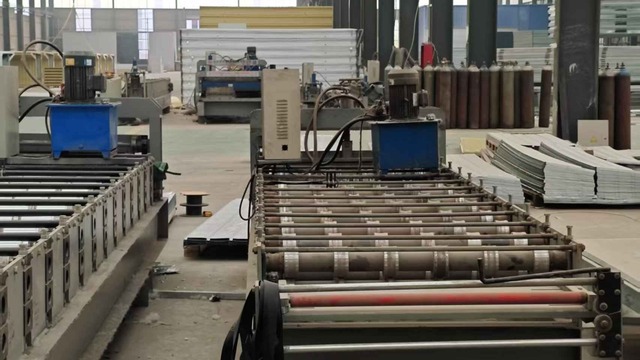
From raw materials sourcing to precision fabrication, the manufacturer controls the entire production cycle, ensuring top-tier engineering design, optimal load distribution, high-grade insulation, and superior anti-corrosive properties.
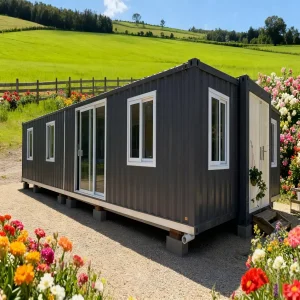
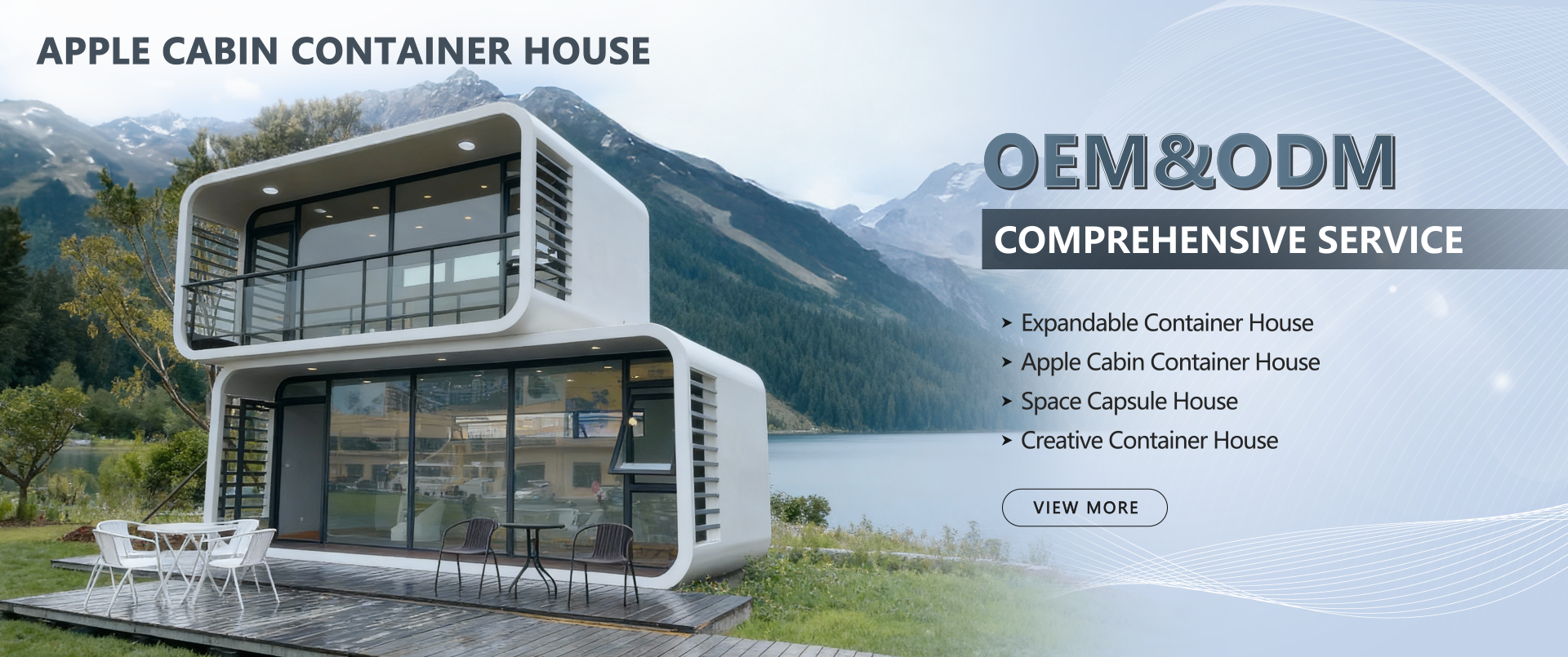 Fig 1. Nanjin Stinson Modern Manufacturing and Design Center
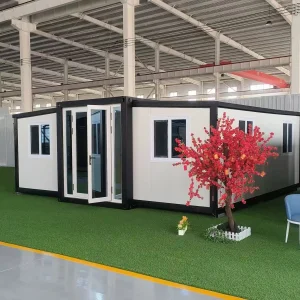
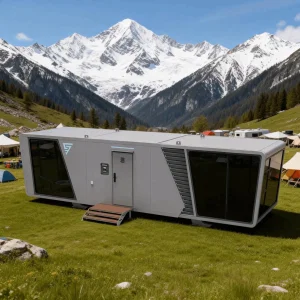
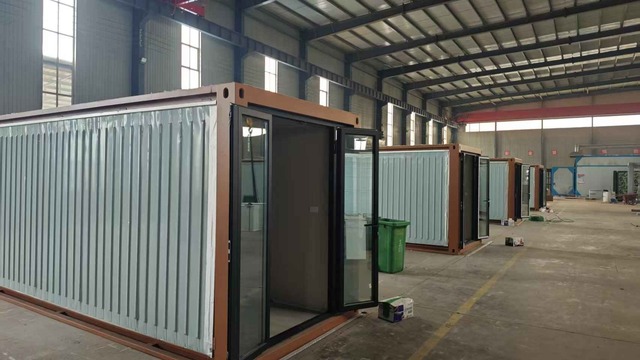
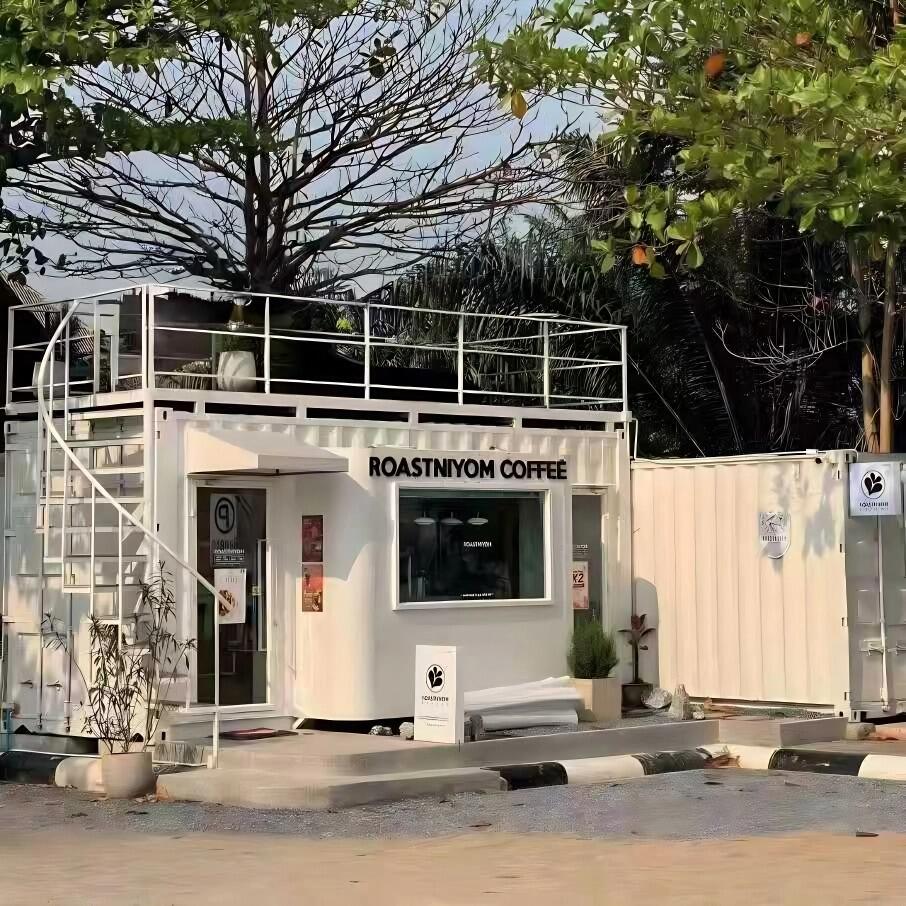 Fig 2. Precision Structural Assembly of Modular Units
Since its initial founding phase, Stinson Modular Homes has focused on combining advanced modular construction engineering with architectural layout and functional design. In the early stages, the factory specialized in standardized cargo-based container conversions for standard site accommodations, industrial housing, and temporary facilities.
As market requirements shifted toward rapid deployment and reduction in intermodal freight costs, the company expanded its production footprint, introducing patented designs for foldable systems and flat-pack modules. These innovations drastically improved logistics efficiency, allowing up to 4 complete flat-pack units to be shipped within a single 40ft High Cube container footprint.
In the subsequent development phase, the manufacturing facility implemented specialized production lines for architectural cabins (Apple Cabin series). Combining composite aluminum panels, double-glazed panoramic tempered glass, and light-gauge steel framing, these premium cabins have become the benchmark for eco-tourism resorts, modern workspace expansions, and executive living suites.
Why global enterprises source modular housing infrastructure from leading Chinese suppliers.
Direct access to primary steel production centers, premium insulation raw materials, and automated CNC laser machining. This ensures unparalleled economies of scale and structural consistency.
Engineering systems tailored to local code requirements worldwide, including CE certification, AS/NZS compliance, IBC structural requirements, and local snow load/wind load profiles.
Pre-installed plumbing, integrated electrical layouts (conforming to global safety regulations), and premium internal cabinetry to minimize expensive onsite labor requirements.
Detailed technical breakdown of standard modular configurations for commercial and municipal procurement.
| Structural Parameter | Standard Specification | Premium Architectural Spec |
|---|---|---|
| Steel Frame Infrastructure | Cold-rolled carbon steel, Q235B (Yield strength ≥ 235 MPa), galvanization thickness ≥ 40μm | Hot-dip galvanized structural steel, Q355B (Yield ≥ 355 MPa), galvanization ≥ 80μm, epoxy coating |
| Wall Insulation core | 50mm EPS / Glass wool panels (Density: 14 kg/m³) | 75mm-100mm Hydrophobic Rockwool or PIR (Polyisocyanurate) sandwich panels (Density ≥ 120 kg/m³) |
| Floor Frame Configuration | 18mm Fiber Cement board substrate with commercial PVC wear layer | 20mm Fiber cement board with Luxury Vinyl Tile (LVT) or engineered stone panels |
| Wind Load Capacity | Class 10 Beaufort scale (≤ 100 km/h wind velocity) | Class 12 Beaufort scale / Cyclone category design (≤ 150 km/h wind velocity) |
| Seismic Resistance | Designed for Zone 7 seismic regions | Zone 8+ engineering parameters (seismic damper interfaces integrated) |
| Thermal Transmittance (U-Value) | ~ 0.38 W/m²·K (wall panels) | ≤ 0.22 W/m²·K (conforming to strict Western European thermal ratings) |
In remote mining sectors, offshore drilling facilities, and heavy infrastructure projects, housing reliability is critical. Modular housing must withstand high-altitude UV radiation, extreme temperature fluctuations (from -40°C to +45°C), and continuous relocation processes. Our insulated capsule living units and relocatable container cabins offer robust structural strength and quick deployment timelines.
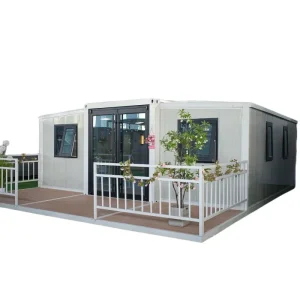
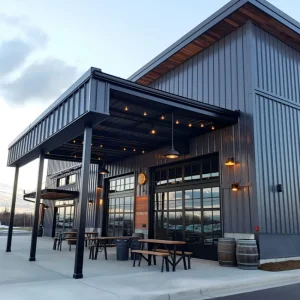
Modern hospitality operators require architectural flexibility, low visual impact on the local environment, and fast installation cycles. Our luxury flatbed container villas and contemporary expandable modular units provide panoramic double glazing, marble countertops, and open-plan kitchen areas. These configurations are ready to hook up to municipal networks immediately after positioning.
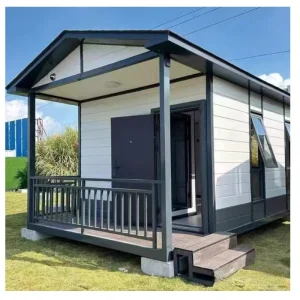
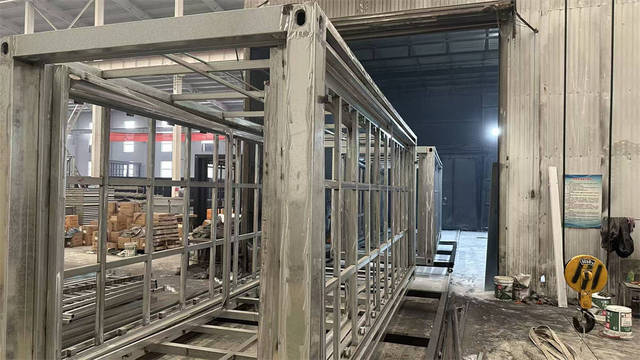 Fig 3. Eco-friendly Modular Living Concepts and Modern Villa Layouts
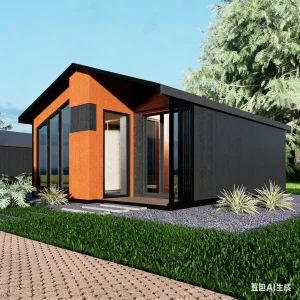
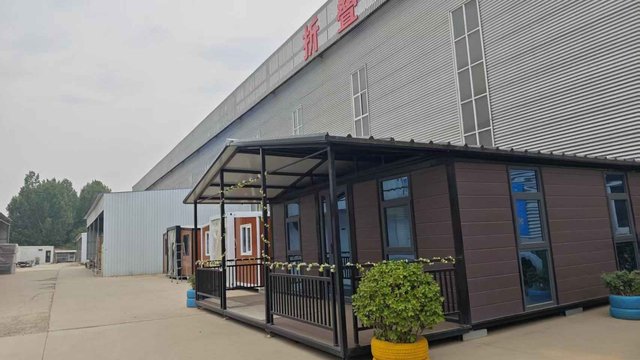 Fig 4. Structural Testing of Double-Wing Expandable Units
When schools need expansion or cities require rapid post-disaster shelter systems, speed is everything. Modular school container buildings can be stacked to form multi-story complexes with integrated emergency stairways, safety balustrades, and high-performance sound dampening.
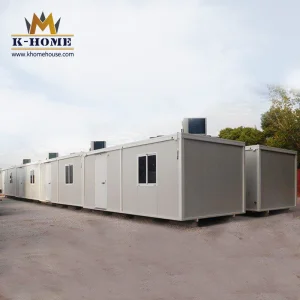
Industrial project managers use site offices to monitor build progress. These structures must contain reliable electrical systems, network connections, and energy-efficient climate control. Flat-pack offices are designed with structural scalability in mind. Up to 8 units can be easily coupled to create large, open-concept administrative headquarters.
Navigating quality checks, custom clearancing, container logistics, and factory audits.
When importing container systems, always request structural calculation reports (finite element analysis). Reliable manufacturers like Nanjin Stinson Modular Homes provide complete blueprints verifying that wall panel structures, purlins, and main frame junctions can withstand local seismic shear stresses and wind uplift forces.
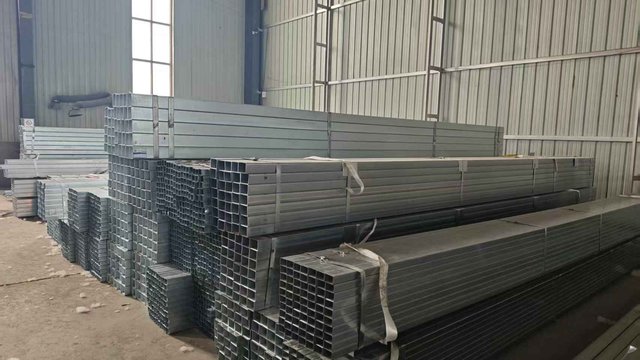 Fig 5. Interior Finishing Inspection & High-end Fit-outs
Answering critical questions on code compliance, lifespan, thermal insulation, and transportation.
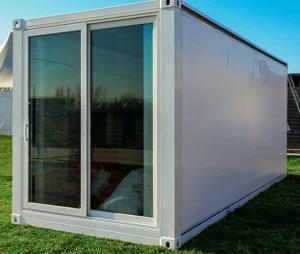
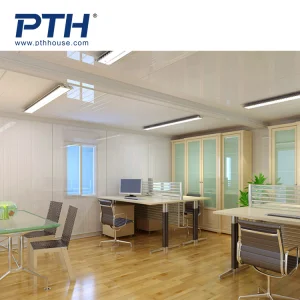
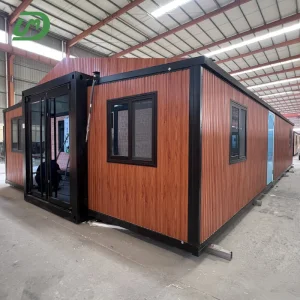
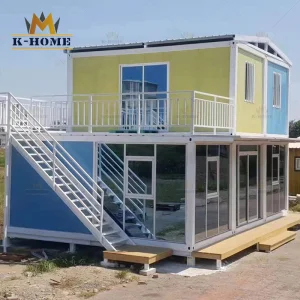
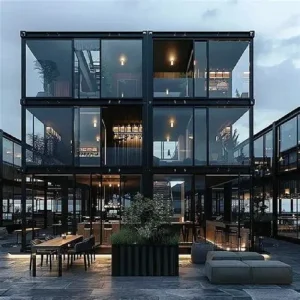
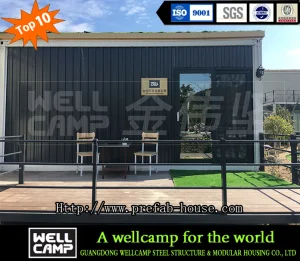
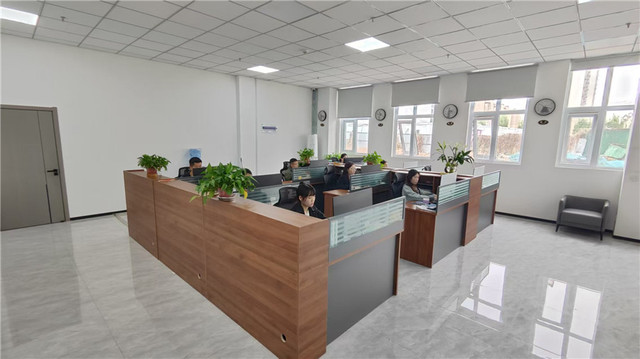
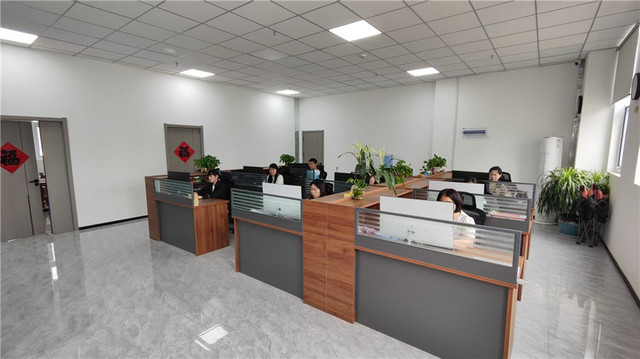
Images illustrating structural frames, interior finishings, and assembly processes at our main factories.
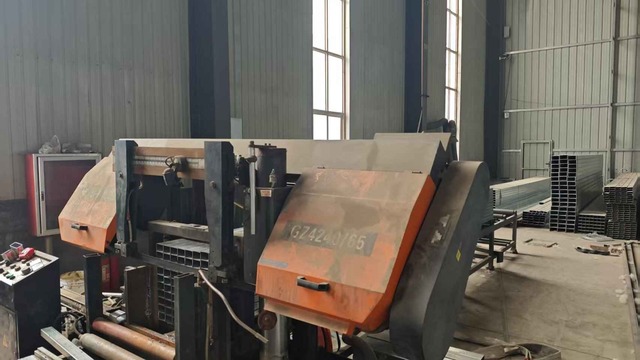
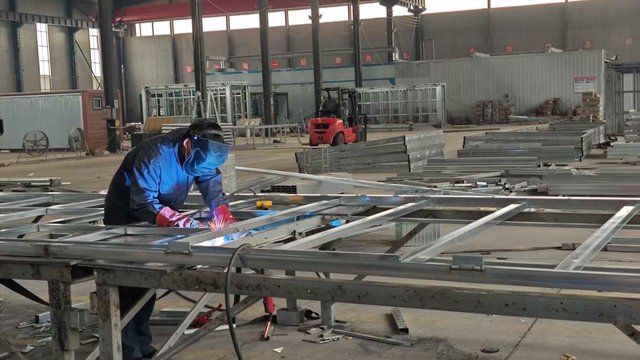
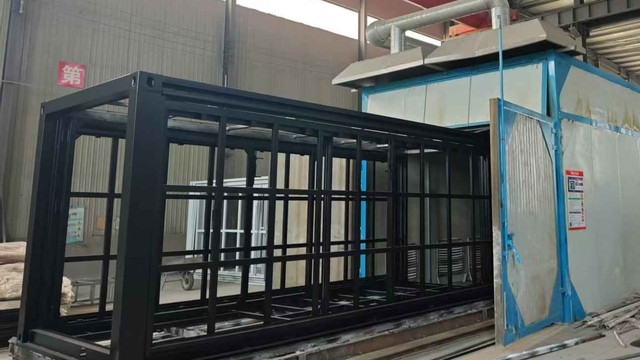
 Stinson Modular Homes