The global commercial landscape is undergoing a seismic shift toward agility and sustainability. Container Co-Working Spaces have emerged not just as a trend, but as a robust industrial solution to urban density and the rise of remote work. From the creative hubs of London to the tech parks of Shenzhen, these modular units represent the pinnacle of architectural flexibility.
As a leading China container house supplier, we observe that businesses today demand "plug-and-play" environments. The modular nature of containers allows for rapid deployment—reducing construction timelines by up to 60% compared to traditional brick-and-mortar structures. This is particularly vital in the industrial sector where temporary site offices and flexible R&D labs are required at scale.
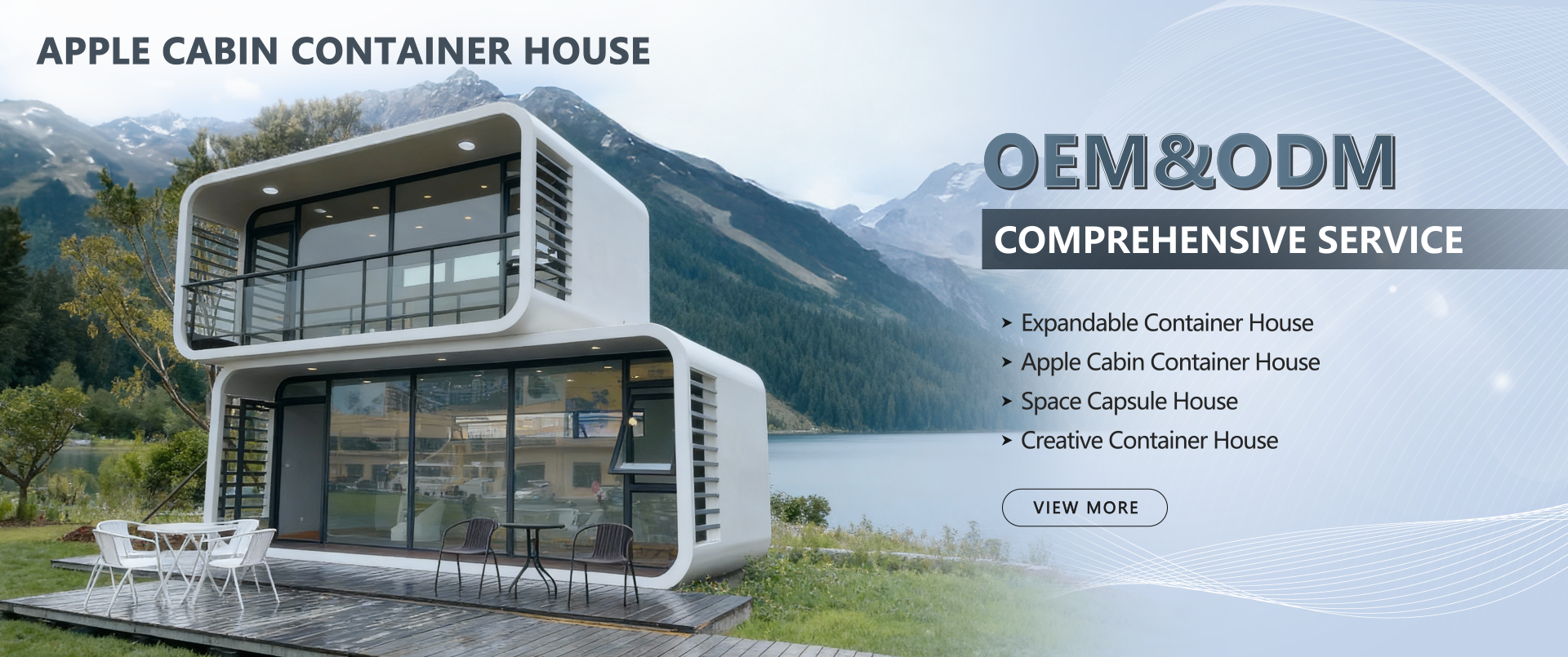
Integration of recycled steel and green insulation materials is now an industry standard. Solar-powered roofs and greywater systems are transforming containers into carbon-neutral workspaces.
Modern co-working containers are equipped with AI-driven climate control, biometric access, and automated lighting systems to optimize energy efficiency and user comfort.
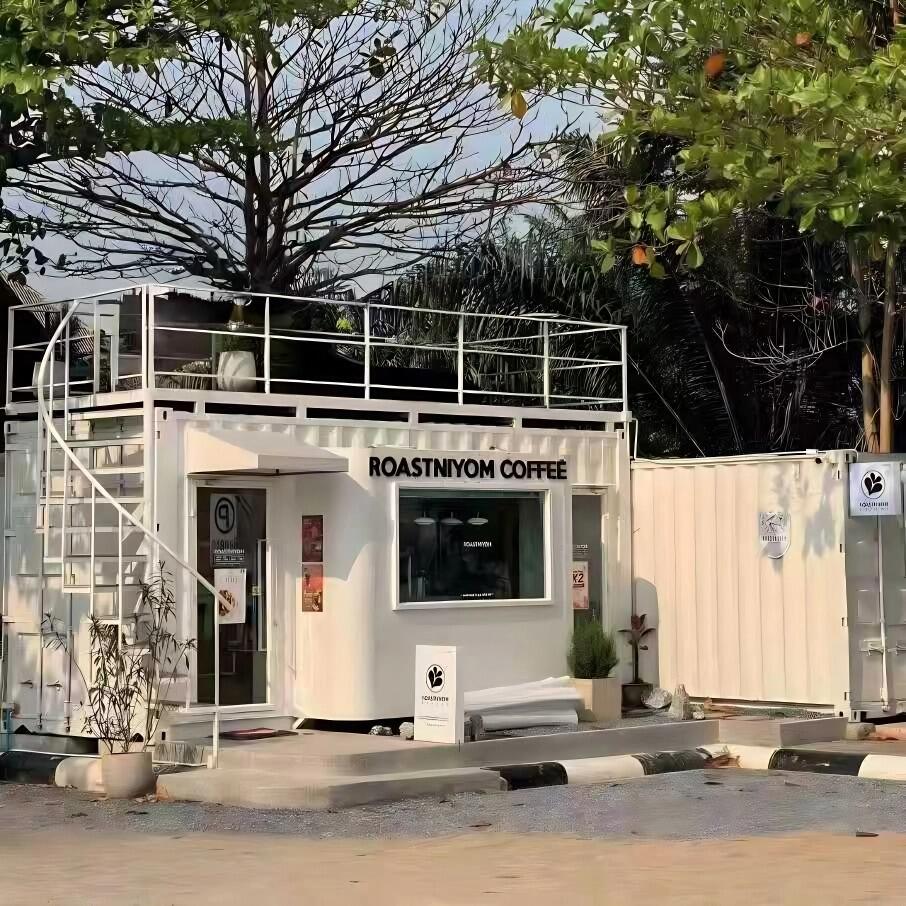
Utilizing underused urban land for pop-up office parks and creative studios, providing low-cost entry points for startups in expensive metropolitan areas.
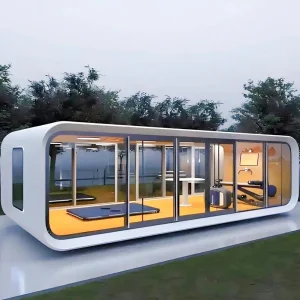
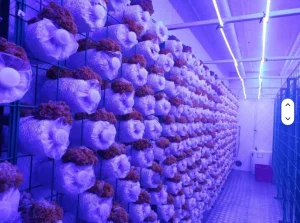
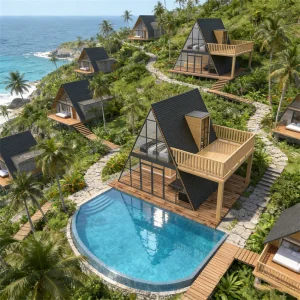
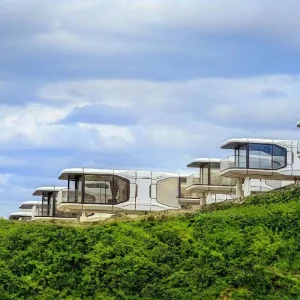
Global enterprises are increasingly seeking prefabricated housing systems that meet diverse international building codes. Whether it's a Luxury Flatbed Container Villa for a resort in Bali or an Intelligent Mushroom Growing Bio-Secure Hatchery Unit for an agritech firm in Canada, the demand for specialization is paramount.
Large corporations use container offices for "Satellite Hubs," allowing employees to work closer to home without committing to long-term commercial leases.
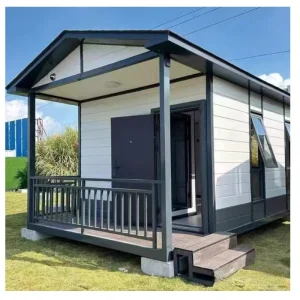
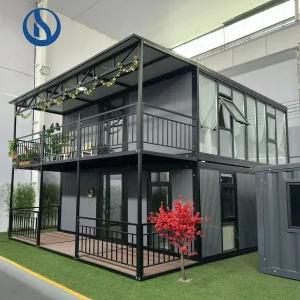
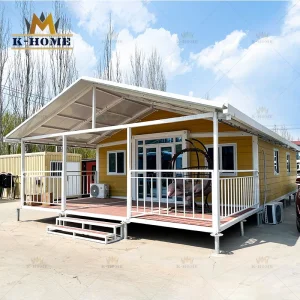
Durable flat pack prefabricated housing serves as high-quality accommodation for engineers and site managers in remote mining or energy projects.
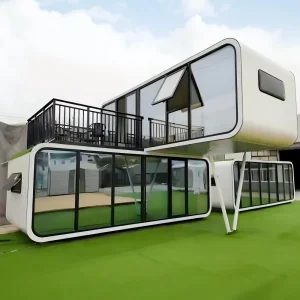
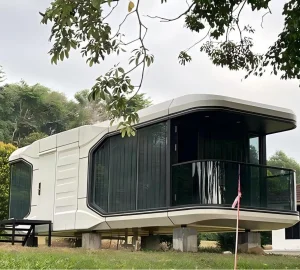
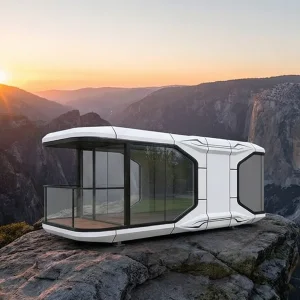
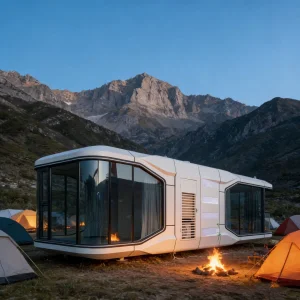
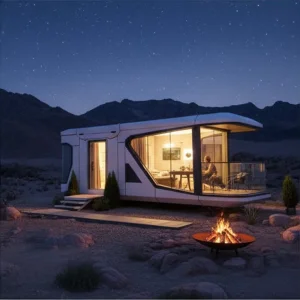
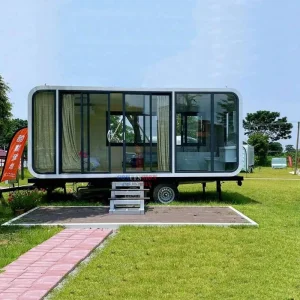
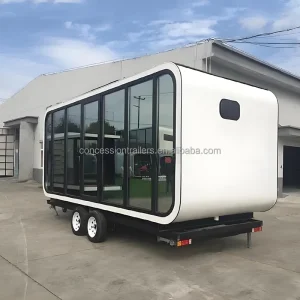
Localized applications include "Artist Villages" and "Incubator Parks" where Apple Cabins provide an aesthetically pleasing, inspiring environment for innovation.
Nanjin Stinson Modular Homes Co., Ltd. is a professional China container house supplier specializing in Apple Cabin units, foldable container homes, and flat pack prefabricated housing systems. The company is committed to delivering innovative, efficient, and sustainable modular living solutions for residential, commercial, and hospitality applications worldwide.
Since its establishment, Stinson Modular Homes has focused on integrating advanced modular construction technology with practical design concepts. In its early stage, the company concentrated on standard container housing solutions for basic accommodation needs. As market demand evolved, it expanded its product line to include foldable and flat pack structures, significantly improving transportation efficiency and on-site installation speed.
In the development phase, the company introduced creative cabin-style housing such as Apple Cabin designs, combining aesthetic appeal with functionality. These solutions are widely used in holiday resorts, eco-tourism projects, mobile offices, and temporary living spaces. Over time, Stinson Modular Homes strengthened its engineering capabilities, production systems, and quality control processes to meet international standards.
Today, the company continues to innovate in modular architecture, offering customizable layouts, energy-efficient designs, and turnkey project support. With a focus on quality, flexibility, and global service, Nanjin Stinson Modular Homes aims to provide reliable prefabricated housing solutions that adapt to diverse environments and customer requirements worldwide.
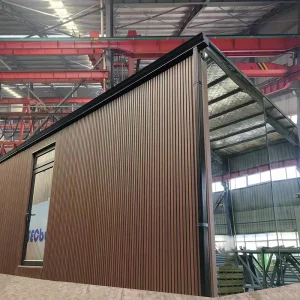
Our production lines utilize precision laser cutting and automated welding to ensure each unit meets structural safety standards for high-wind and seismic zones.
By leveraging China's mature supply chain for steel and interior finishes, we offer 30-40% cost savings compared to local construction in Europe or America.
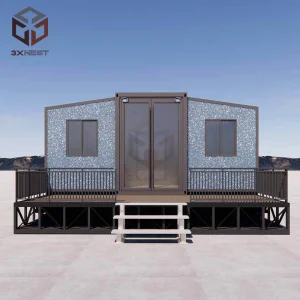
Our foldable and flat-pack designs are optimized for shipping, allowing us to fit up to 6 units in a single 40HC container, drastically reducing freight costs.
 Stinson Modular Homes