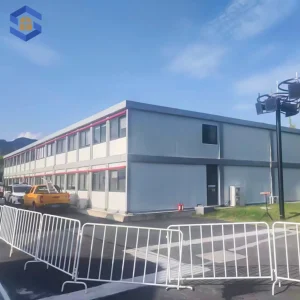
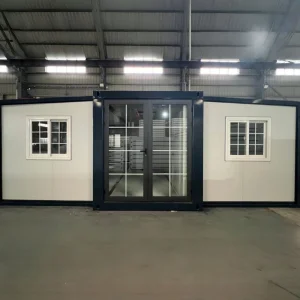
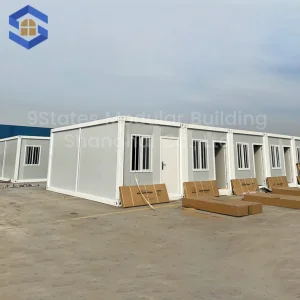
Select options featuring custom engineering structures, thermal efficiency matrices, and rapid deployment capabilities.
Analysis of changing structural criteria, sustainable building guidelines, and standard configurations for modern modular spaces.
Global architectural standards require lower embodied carbon footprint levels. Modern custom containers address this by substituting hot-rolled carbon steels with light-gauge high-strength galvanized frames, lowering site footprints while preserving design lifetimes up to 50 years.
Industrial installations are shifting toward off-grid autonomy. This includes factory-integrated PV panels, battery banks, thermal loop isolation systems, and integrated wastewater units that support immediate remote deployment without municipal connection dependencies.
Global procurement teams favor products built under certified engineering controls. Structural integrity compliance under CE EN1090-1, EN 1993 (Eurocode 3), and standard welding code approvals ensures units withstand extreme wind, snow, and environmental loading.
Commercial procurers across sectors face the task of validating modular building supply lines. The key is balance between high delivery speed and local regulation compliance. Meeting international building standards requires clear engineering design files and materials tracing.
Key Procurement Parameters to Evaluate:
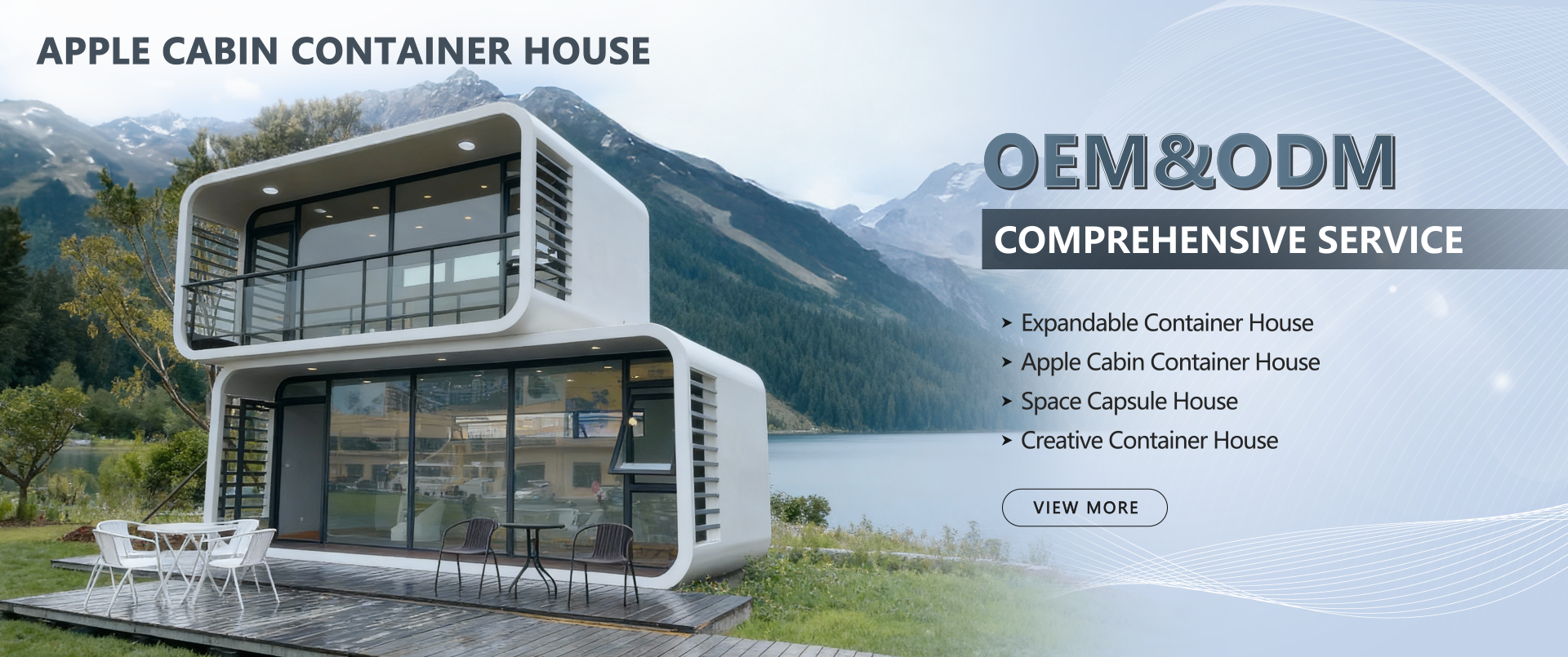
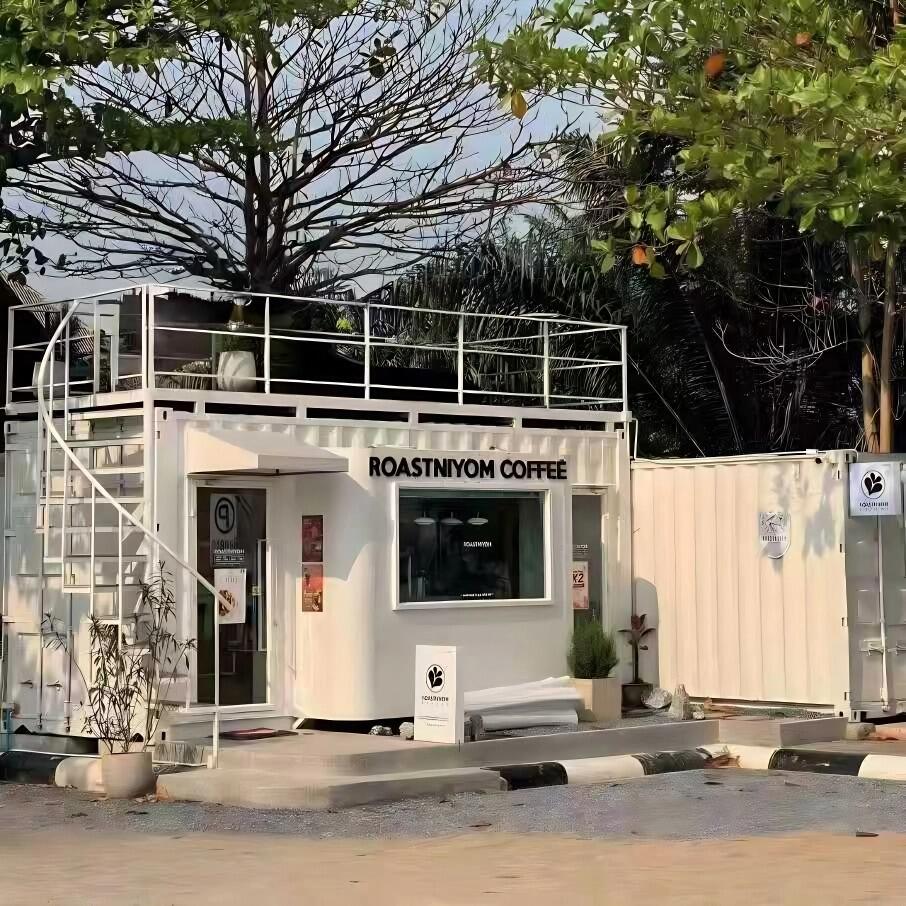
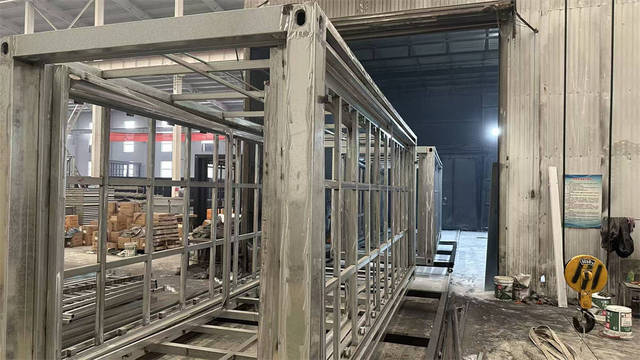
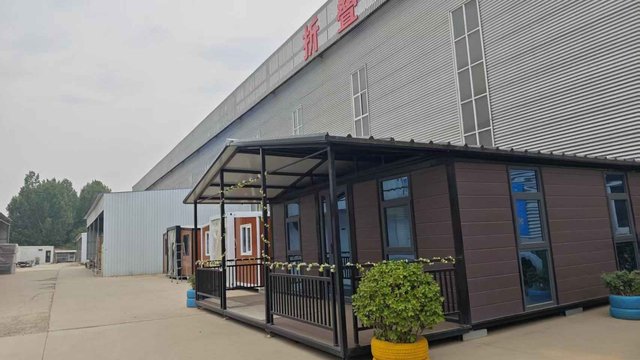
How modernized industrial manufacturing systems deliver high precision, lower lead times, and predictable structural performance.
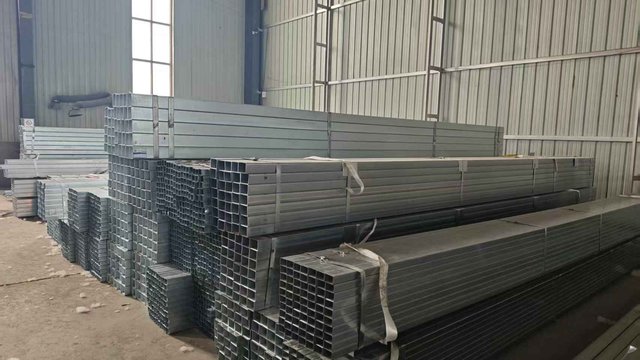
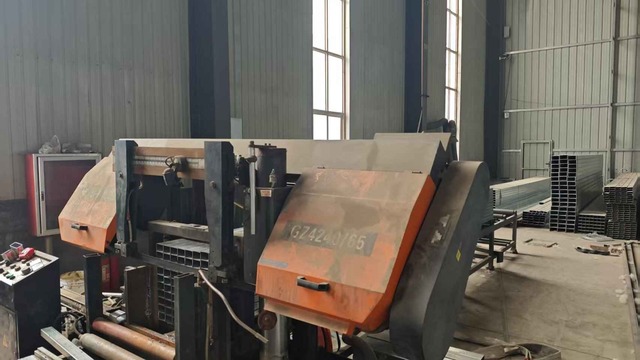
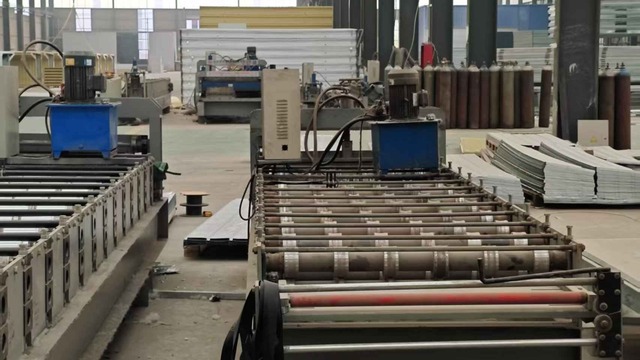
State-of-the-art CNC fiber laser cutting systems prepare structural frame profiles with sub-millimeter tolerances. This setup minimizes manual errors and ensures precise modular alignment during on-site assembly.
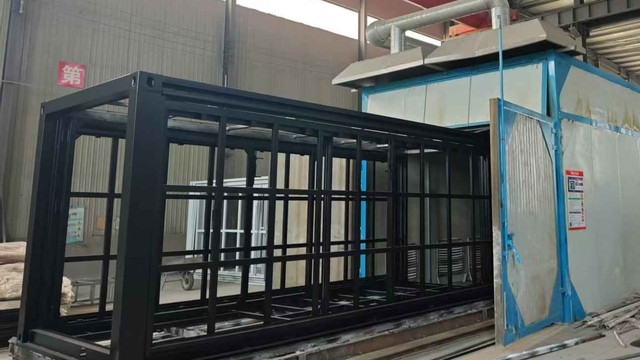
Applying structural coatings like hot-dip galvanization (minimum coating mass 275g/m²) combined with high-grade fluorocarbon anti-rust paint layers prevents corrosion in aggressive marine (C4/C5) environments.
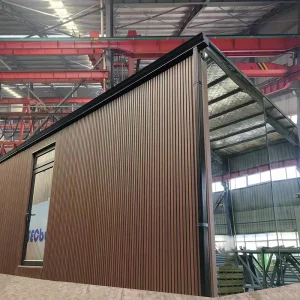
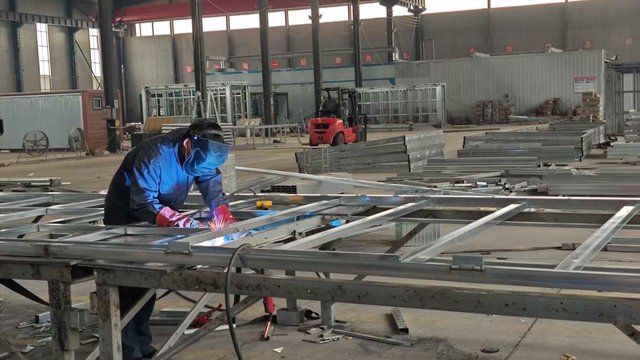
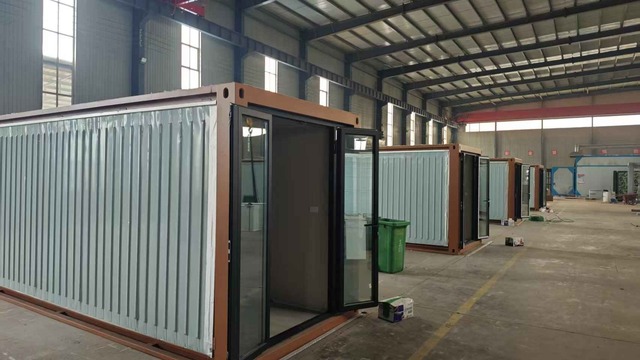
Integrating primary fabrication, electrical fit-out, internal insulation cladding, and water piping systems in a single production floor reduces build schedules compared to traditional on-site construction.
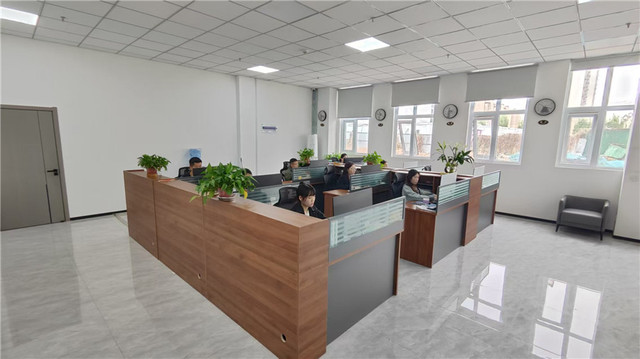
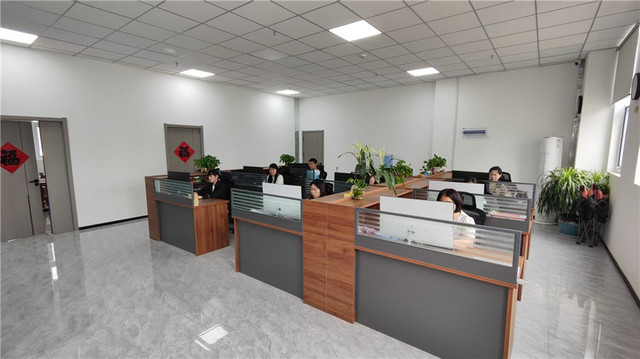
Nanjin Stinson Modular Homes Co., Ltd. is a professional China container house supplier specializing in Apple Cabin units, foldable container homes, and flat pack prefabricated housing systems. The company is committed to delivering innovative, efficient, and sustainable modular living solutions for residential, commercial, and hospitality applications worldwide.
Since its establishment, Stinson Modular Homes has focused on integrating advanced modular construction technology with practical design concepts. In its early stage, the company concentrated on standard container housing solutions for basic accommodation needs. As market demand evolved, it expanded its product line to include foldable and flat pack structures, significantly improving transportation efficiency and on-site installation speed.
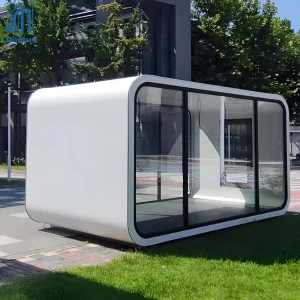
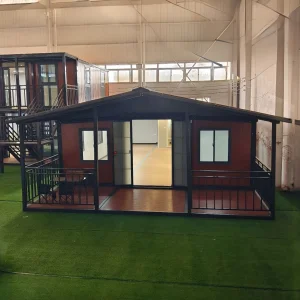
In the development phase, the company introduced creative cabin-style housing such as Apple Cabin designs, combining aesthetic appeal with functionality. These solutions are widely used in holiday resorts, eco-tourism projects, mobile offices, and temporary living spaces. Over time, Stinson Modular Homes strengthened its engineering capabilities, production systems, and quality control processes to meet international standards.
Today, the company continues to innovate in modular architecture, offering customizable layouts, energy-efficient designs, and turnkey project support. With a focus on quality, flexibility, and global service, Nanjin Stinson Modular Homes aims to provide reliable prefabricated housing solutions that adapt to diverse environments and customer requirements worldwide.
From arctic-insulated medical units to luxury resorts with mirrored facades, modular units adapt to diverse environmental demands.
Utilizing high-performance structural systems, like the Prefab Arctic-Insulated Typhoon-12 Surgical Unit, ensures clean, weather-tight zones in regions facing flood and hurricane risks.
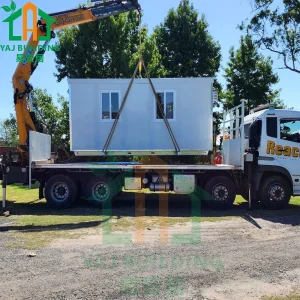
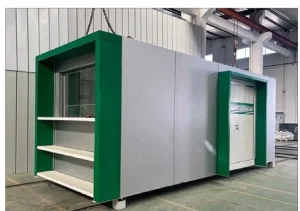
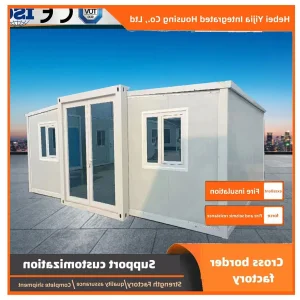
Deployable container offices (10FT, 20FT, 30FT, 40FT configurations) serve as durable field workspace solutions. Heavy-duty chassis design guarantees units remain structurally stable under repeated relocation.
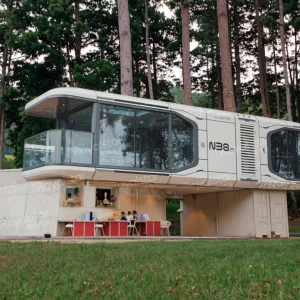
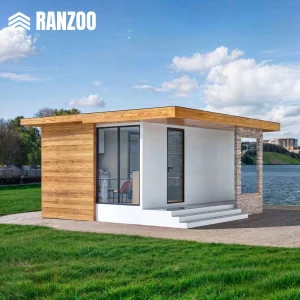
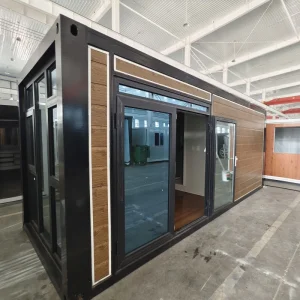
Architectural glass sunroom cabins, mirror facade structures, and custom-styled Apple Cabins integrate with natural landscapes. These premium systems balance aesthetic appeal with high thermal performance.
Technical details, structural engineering parameters, and global distribution logistics for custom modular buildings.
CE Certification ensures the container home conforms to European structural safety, health, and environmental standards. It validates EN 1090-1 steel load execution classes, confirming that the structural framework, welding quality, and raw materials can handle specified live loads, wind forces, and seismic stresses.
Standard container modules can incur high ocean freight rates. Foldable and flat-pack modules fold down to a fraction of their assembled height. This compact profile allows up to four units to be nested and loaded into a single 40FT High Cube container, reducing transport costs by up to 75%.
For cold regions, thick (100mm to 150mm) Polyurethane (PU) sandwich panels or mineral rockwool systems are utilized to achieve low heat transfer rates. These systems are matched with double-glazed, low-E argon-filled windows and thermal break aluminum frames to prevent condensation and minimize heat loss.
Yes. Custom roof structures can feature mounting frameworks to integrate photovoltaic panel systems, hybrid inverters, and battery banks. This enables independent operation for off-grid sites, supplying power for HVAC systems, interior lighting, and essential appliances.
Built with hot-dip galvanized steel frames and anti-corrosive industrial coatings, Stinson modules have a design life of 30 to 50 years. Maintenance requirements are minimal, primarily involving checking sealants every 5 to 7 years and occasionally refreshing external topcoat finishes in high-salinity marine environments.
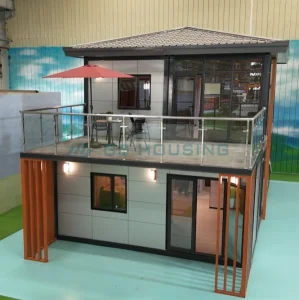
Expandable modular designs, two-floor villas, and prefabricated multi-story hotels built for structural stability.
 Stinson Modular Homes