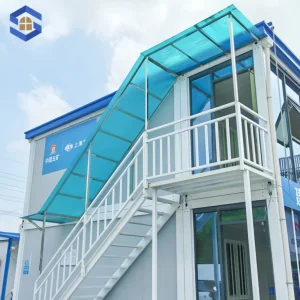
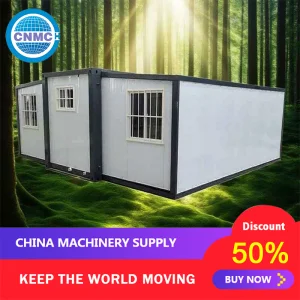
Explore our leading-edge engineering, featuring rapid deployment, high thermal performance, and eco-conscious construction designs.
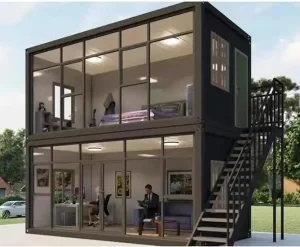
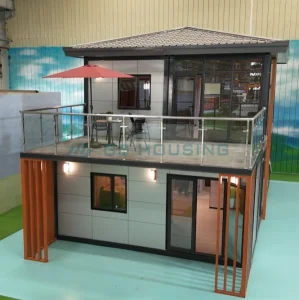
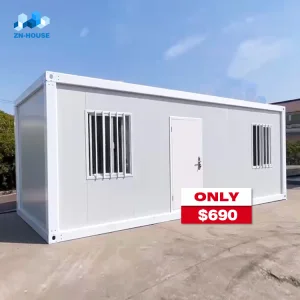
Addressing rapid spatial adaptation demands in commercial, hospitality, and emergency relief operations worldwide.
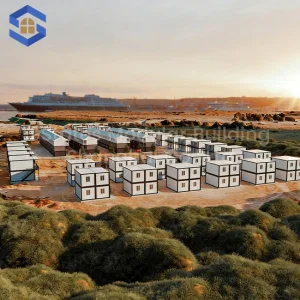
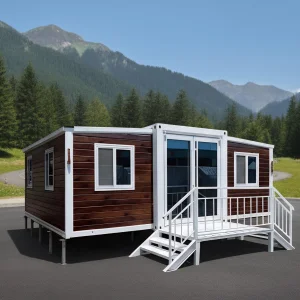
Commercial enterprises are shifting toward flexible real estate alternatives. Expandable container units solve high structural overhead costs by allowing quick scalability for corporate offices, retail hubs, and transient operational environments. The integration of structural integrity with foldable wings yields high spatial efficiency without extensive permanent foundation works.
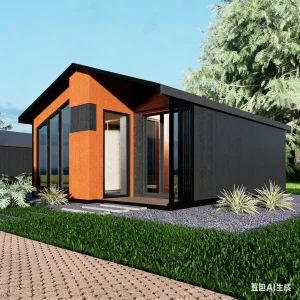
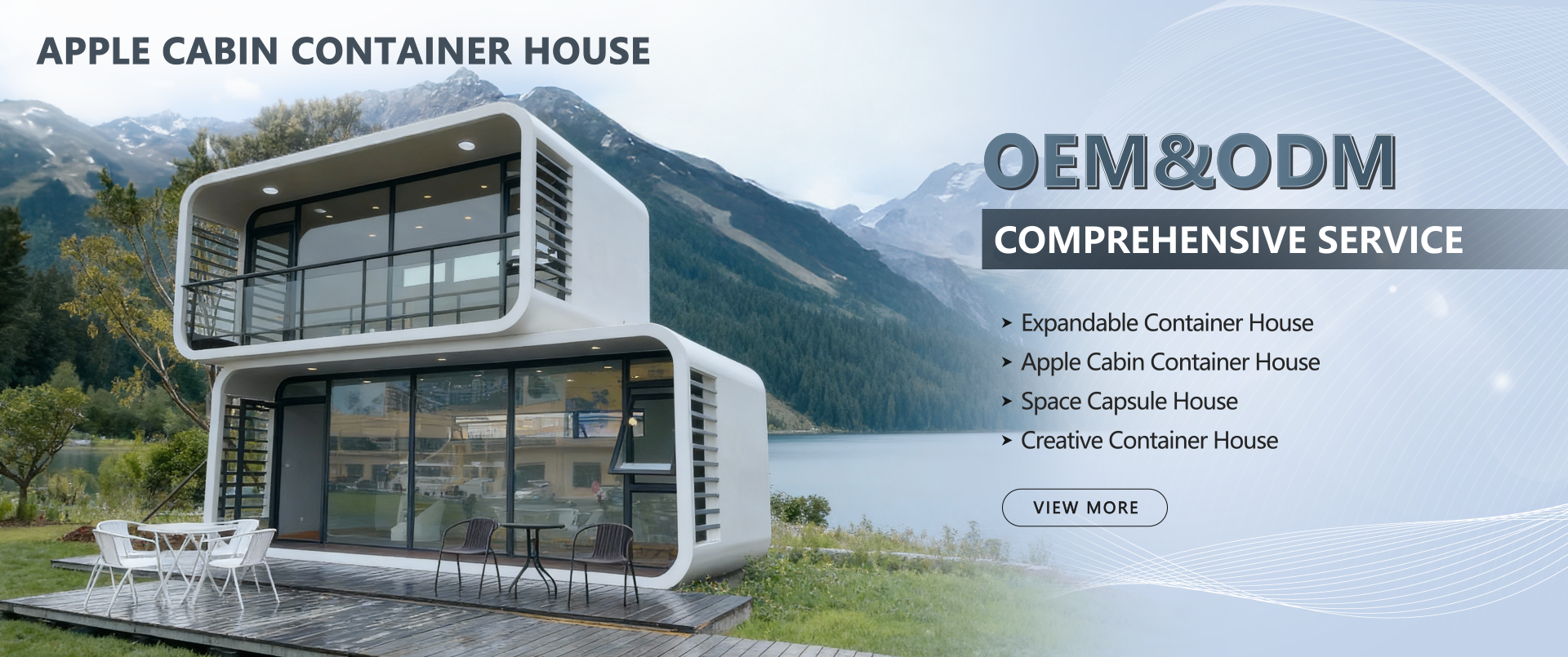
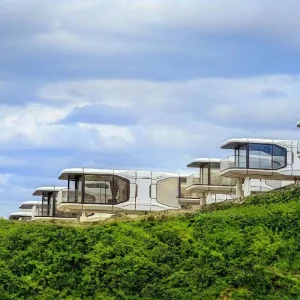
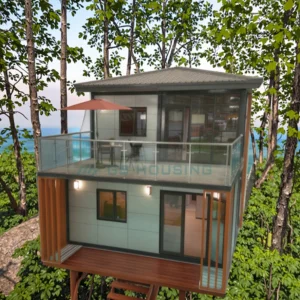
Resorts worldwide demand rapid infrastructure solutions that preserve sensitive natural landscapes. Pre-fabricated, expandable luxury villas and modern "Apple Cabins" offer structural optimization with minimal ecological impact. These units can be transported and erected on pile foundations within days, providing premium guest experiences with minimal site disruption.
Climate change events and humanitarian crises require immediate, structural solutions. Multi-wing expandable containers represent the pinnacle of crisis management systems. The units transition from ISO container transport dimensions to fully functioning medical clinics, command posts, or disaster housing units in under 20 minutes, safeguarding lives globally.
Analyzing the supply chain depth, raw material superiority, and advanced technological integrations driving global quality.
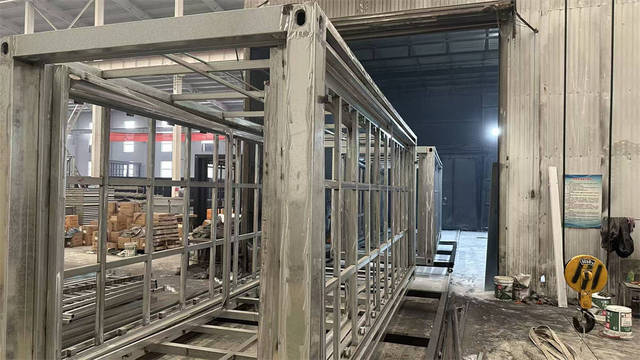
Chinese manufacturers utilize premium structural grade steel (such as hot-rolled galvanized Q355B carbon steel profiles) to form the structural framework. Heavy-duty hot-dip galvanization processes ensure anti-corrosive characteristics, protecting the chassis from high moisture and coastal marine atmospheric environments.
Furthermore, standardizing sandwich panels (PU, EPS, or Rockwool core options) ensures excellent thermal resistance (R-values up to R-30). This thermal optimization lowers HVAC energy demand, meeting local green building energy compliance targets worldwide.
Located near high-capacity metal-working clusters, China's design and manufacturing plants leverage unparalleled economies of scale. High-precision laser-cutting processes, automated robotic welding stations, and specialized assembly jigs reduce dimensional deviation to less than 1.5mm.
This automated manufacturing allows prompt fabrication timelines, while standardized flat-pack transport methods reduce overseas logistics freight costs. A single 40ft High Cube container can hold up to 2 folded double-wing units, optimizing maritime transport economics.
Innovating efficient, sustainable, and reliable modular living solutions globally.
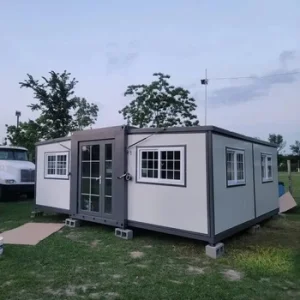
Nanjing Stinson Modular Homes Co., Ltd. is a professional China container house supplier specializing in Apple Cabin units, foldable container homes, and flat pack prefabricated housing systems. The company is committed to delivering innovative, efficient, and sustainable modular living solutions for residential, commercial, and hospitality applications worldwide.
Since its establishment, Stinson Modular Homes has focused on integrating advanced modular construction technology with practical design concepts. In its early stage, the company concentrated on standard container housing solutions for basic accommodation needs. As market demand evolved, it expanded its product line to include foldable and flat pack structures, significantly improving transportation efficiency and on-site installation speed.
In the development phase, the company introduced creative cabin-style housing such as Apple Cabin designs, combining aesthetic appeal with functionality. These solutions are widely used in holiday resorts, eco-tourism projects, mobile offices, and temporary living spaces. Over time, Stinson Modular Homes strengthened its engineering capabilities, production systems, and quality control processes to meet international standards.
Today, the company continues to innovate in modular architecture, offering customizable layouts, energy-efficient designs, and turnkey project support. With a focus on quality, flexibility, and global service, Nanjing Stinson Modular Homes aims to provide reliable prefabricated housing solutions that adapt to diverse environments and customer requirements worldwide.
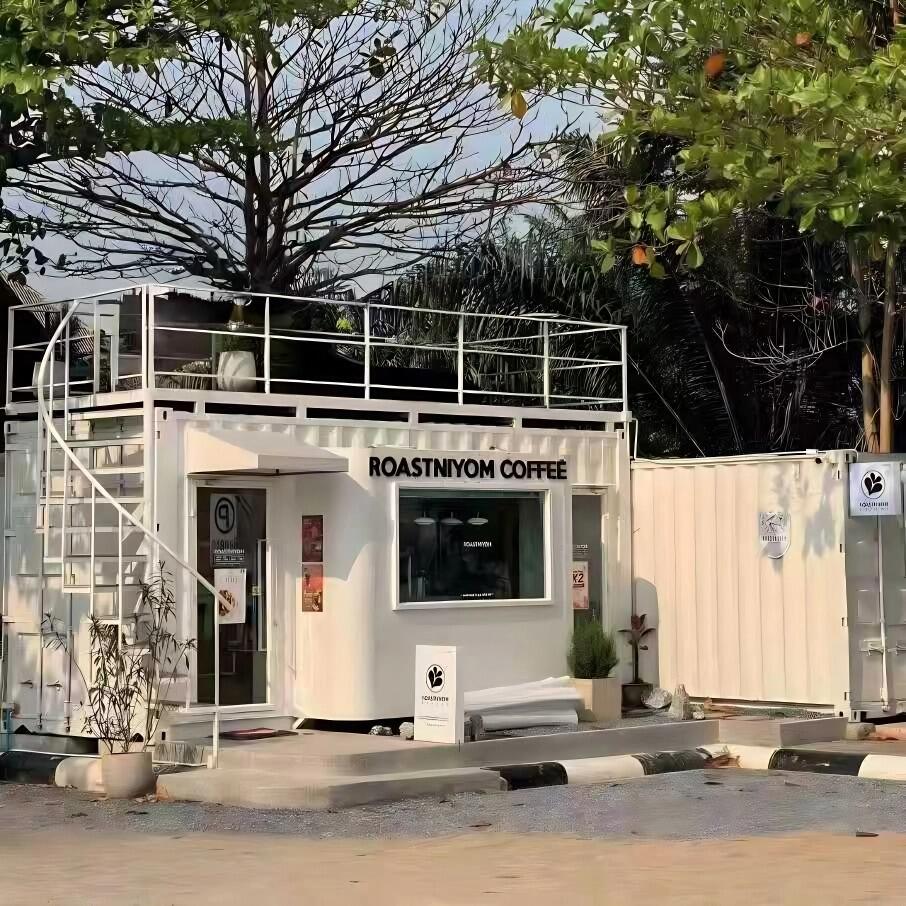
Explore our production floors, design assemblies, and global project delivery cases. Keeping structural proportions exact, these depict real engineering results:
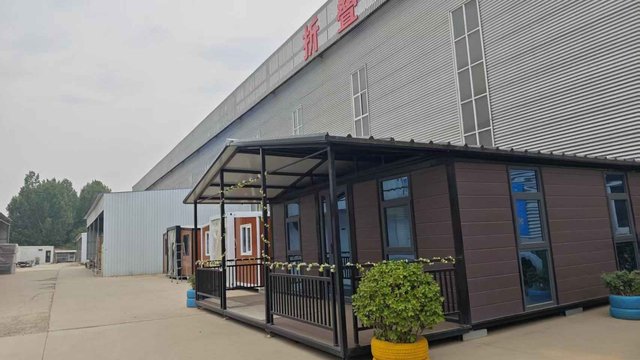
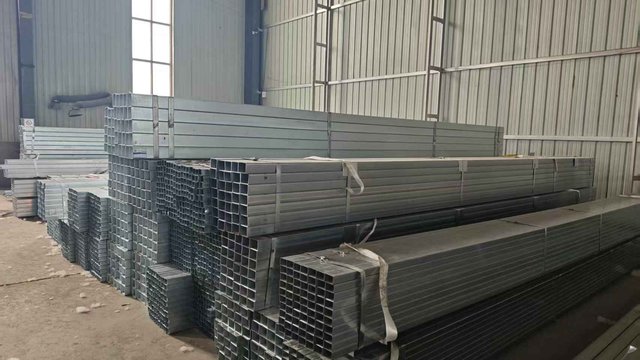
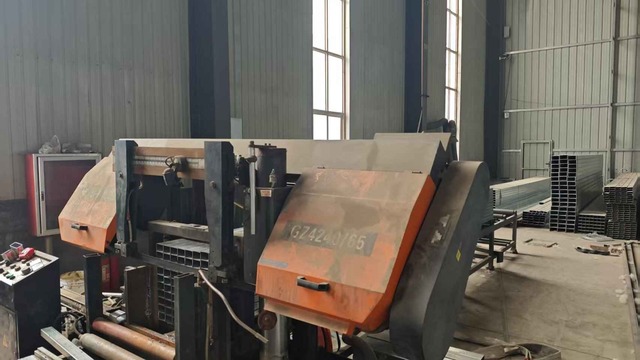
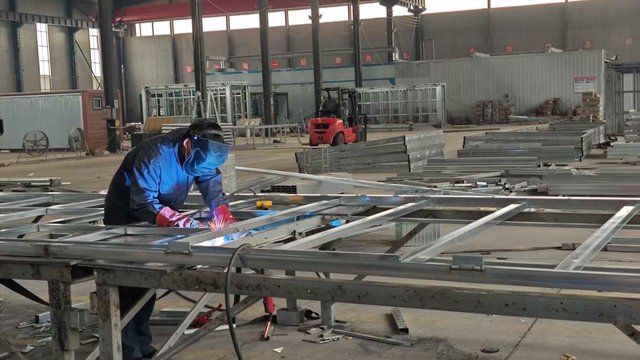
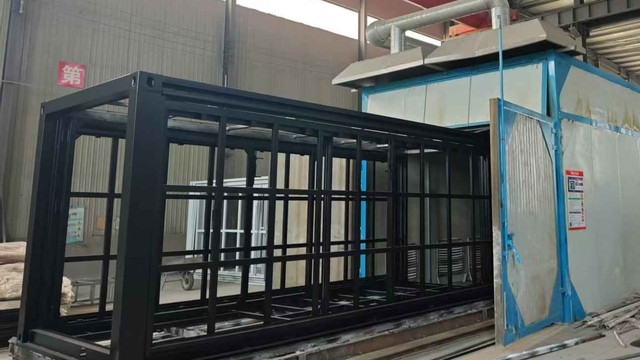
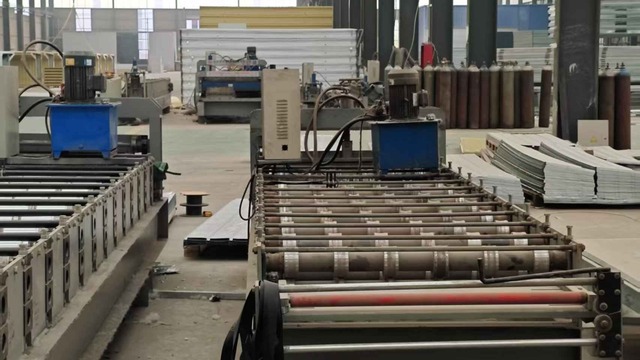
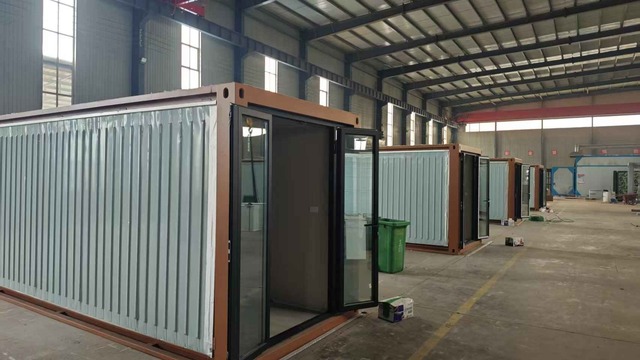
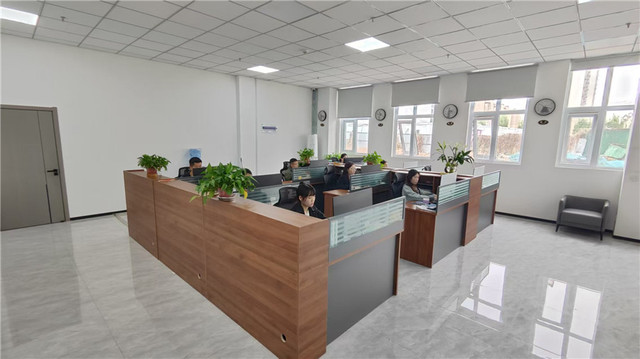
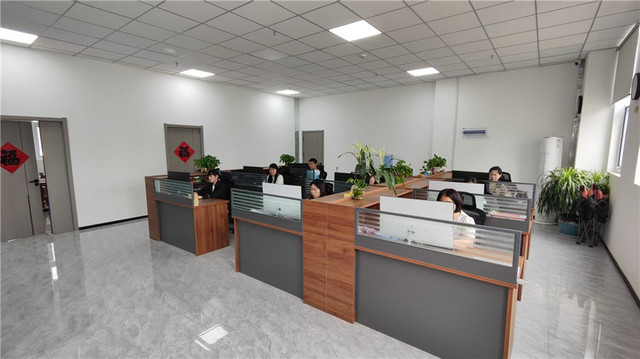
Engineering adaptable, structurally sound solutions configured to perform under demanding local conditions.
Fitted with double-glazed low-emissivity glass to reflect high infrared solar heat load. Outer surfaces feature reflective paint coats, preventing structural expansion stress. Air-conditioning lines and solar-hybrid setups ensure continuous operation in high-ambient-heat locations like the Middle East.
Engineered for high snow-load compliance (up to 1.5 kN/m²). We utilize 100mm fireproof polyurethane core sandwich panels to insulate the floors, ceiling, and walls. Internal electrical heaters, double seals, and thermal break aluminum frames prevent thermal bridging in sub-zero temperatures.
Equipped with dual drainage systems built within the roof corners to handle high precipitation runoff. Gasket configurations are designed with marine-grade EPDM weather stripping to block high humidity and saltwater mist, preventing long-term corrosion inside the framework.
Guiding B2B buyers through key structural certifications, material standards, and logistical steps.
Enterprise procurement requires close attention to structural certifications. Modern modular container products from China can be customized to comply with regional codes: AS/NZS 3000 (Australia/NZ), NEC (USA), and CE (European Union). Pre-cabled circuit breakers, conduits, and low-smoke zero-halogen (LSZH) cabling are pre-routed within the interior panels during factory assembly, reducing local commissioning times.
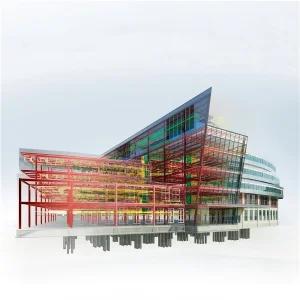
Customization requests are designed and verified via CAD/BIM modeling before structural manufacturing starts. B2B buyers can choose and configure floor plans, window/door placements, acoustic partitions, and integrated solar array options. Stinson Modular Homes ensures compliance with structural loading and localized wind loads (designed to withstand up to Category 12 Typhoons).
Analyzing future trends in off-grid power, smart systems, and green building materials.
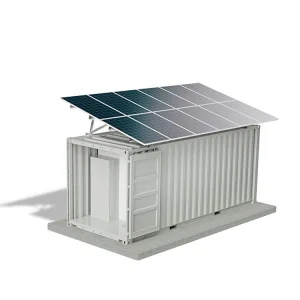
Incorporating photovoltaic (PV) solar panels directly into folding roofs. Integrated solar-hybrid systems store power in lithium-iron-phosphate (LiFePO4) batteries, providing uninterrupted power for operations in remote or off-grid locations.
Smart buildings utilize IoT sensors to track structural metrics, energy consumption, and indoor air quality. Automating HVAC, smart lighting, and automated water management improves operational cost efficiency.
Reducing embodied carbon by using recycled alloy structural materials, bio-based insulation boards, and low-VOC interior panel boards. Choosing circular design structures simplifies shipping and structural re-use at the end of the building lifecycle.
Key technical answers to assist modular engineering, procurement, and project planning.
Under regular atmospheric conditions and with proper maintenance, our hot-dip galvanized Q355B steel framing and protective coatings provide a structural lifespan of 20 to 25 years. Secondary structural components, such as EPDM seals, can be swapped out over time to maintain thermal efficiency.
Our expandable container units fold down to a compact, transport-ready profile. They are shipped directly inside standard 40ft High Cube containers. Depending on the exact model dimensions, a single 40ft HC container can fit up to 2 complete double-wing units, optimizing maritime freight logistics.
They can be mounted on concrete pad footings, linear strip foundations, or screw pile systems. Temporary installations can place units directly on compacted gravel bases with timber skids, provided the ground is level and has adequate load-bearing capacity.
Yes. We install conduits, distribution boxes, outlet panels, and piping systems that align with local standards, including CE (Europe), AS/NZS 3000 (Australia/New Zealand), and NEC/UL (North America).
We offer Polyurethane (PU) sandwich panels, Rockwool panels, and EPS core materials ranging from 50mm to 120mm in thickness. For polar or freezing regions, we recommend 100mm PU panels, which provide high R-values to keep heat inside the structure.
A standard double-wing expandable unit can be fully set up within 15 to 20 minutes by a team of 3 to 4 operators using a standard crane or forklift to assist with lifting the primary ceiling roof structure.
Our expandable container steel frames are engineered to withstand wind pressures up to Category 11 or 12 Typhoons (approximately 110-120 km/h) and are rated to resist seismic events up to Grade 8 intensity, depending on the foundation configuration.
Standard production cycles range from 20 to 30 days starting from design sign-off and receipt of deposit. Customized floor plans, specific electrical builds, or custom cladding choices may extend production times by 10 to 15 days.
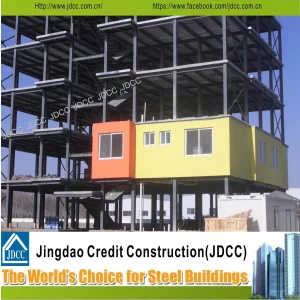
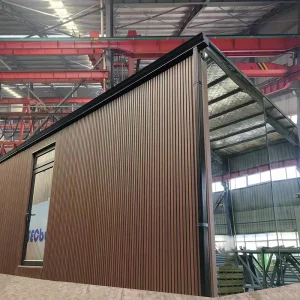
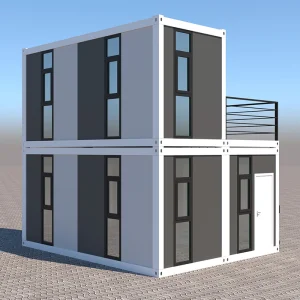
Explore our specialized industrial facilities, multi-storey steel framing, and compact folding offices.
 Stinson Modular Homes