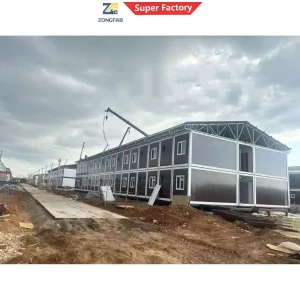
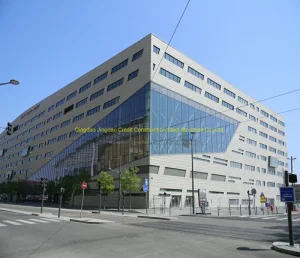
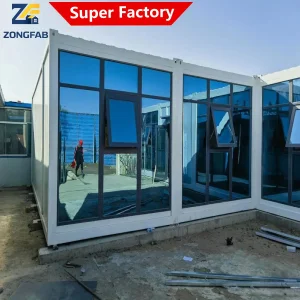
Engineered to comply with rigorous Caribbean structural mandates, our preliminary multi-level modular solutions offer immediate cost efficiency and architectural resilience.
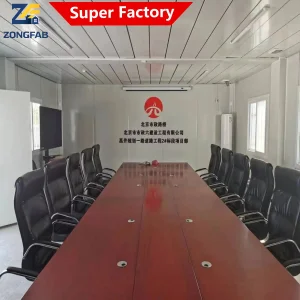
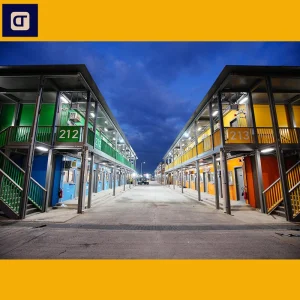
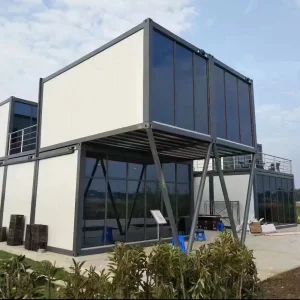
As a critical tourism and commercial hub in the Eastern Caribbean, Antigua and Barbuda exhibits unique development demands. Traditional on-site construction methods are increasingly challenged by high import costs for materials, limited local skilled labor pools, and the urgent necessity to construct structural projects that withstand extreme weather events. The twin-island nation sits directly in the Caribbean hurricane belt, meaning all structural developments must comply with high wind load parameters (up to Category 5 conditions with wind velocities exceeding 150 mph).
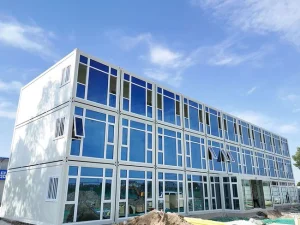
In addition, the local hospitality sector, commercial centers in St. John's, and the continuous reconstruction initiatives in Barbuda require agile, rapidly deployable space solutions. Multi-storey container architectures address these local parameters directly. By utilizing heavy-gauge structural steel frames paired with corrosion-resistant coatings, modular structures circumvent the delays of traditional building, allowing developers to execute high-density boutique hotels, retail zones, and staff housing complexes in a fraction of the time.
Every floor module is structurally integrated using high-strength twist locks and heavy plate welding. The interlocking design creates a monolithic building structure capable of distributing extreme dynamic pressures away from single stress points.
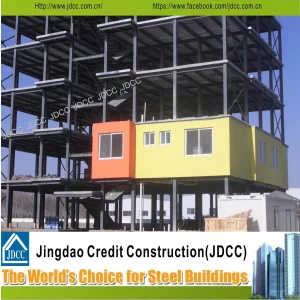
Maximized floor space within constrained coastal footprints. Stackable up to three storeys without requiring external load-bearing structural frameworks, minimizing ground excavation costs.
Reliable Industrial Modular Technologies Engineered by Nanjin Stinson Modular Homes Co., Ltd.
Nanjin Stinson Modular Homes Co., Ltd. is a professional China container house supplier specializing in Apple Cabin units, foldable container homes, and flat pack prefabricated housing systems. The company is committed to delivering innovative, efficient, and sustainable modular living solutions for residential, commercial, and hospitality applications worldwide.
Since its establishment, Stinson Modular Homes has focused on integrating advanced modular construction technology with practical design concepts. In its early stage, the company concentrated on standard container housing solutions for basic accommodation needs. As market demand evolved, it expanded its product line to include foldable and flat pack structures, significantly improving transportation efficiency and on-site installation speed.
In the development phase, the company introduced creative cabin-style housing such as Apple Cabin designs, combining aesthetic appeal with functionality. These solutions are widely used in holiday resorts, eco-tourism projects, mobile offices, and temporary living spaces. Over time, Stinson Modular Homes strengthened its engineering capabilities, production systems, and quality control processes to meet international standards.
Today, the company continues to innovate in modular architecture, offering customizable layouts, energy-efficient designs, and turnkey project support. With a focus on quality, flexibility, and global service, Nanjin Stinson Modular Homes aims to provide reliable prefabricated housing solutions that adapt to diverse environments and customer requirements worldwide.
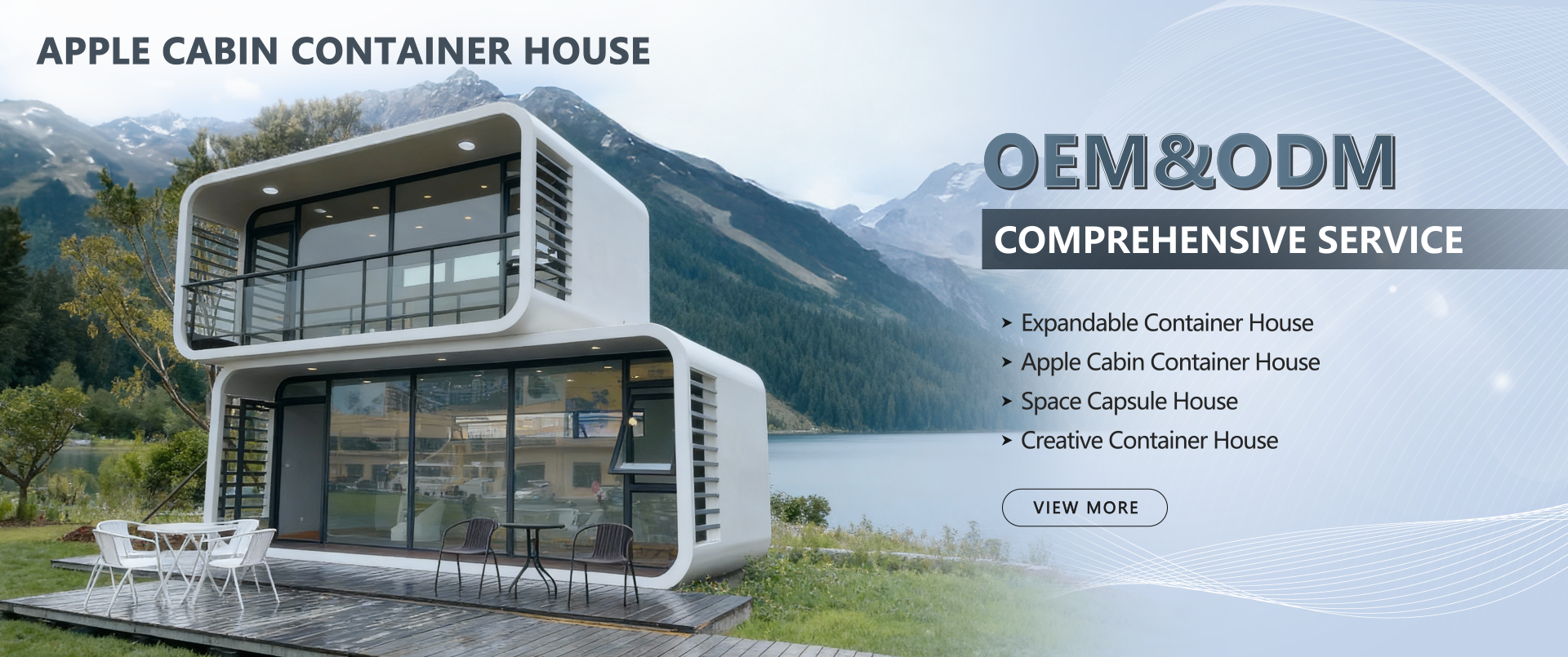
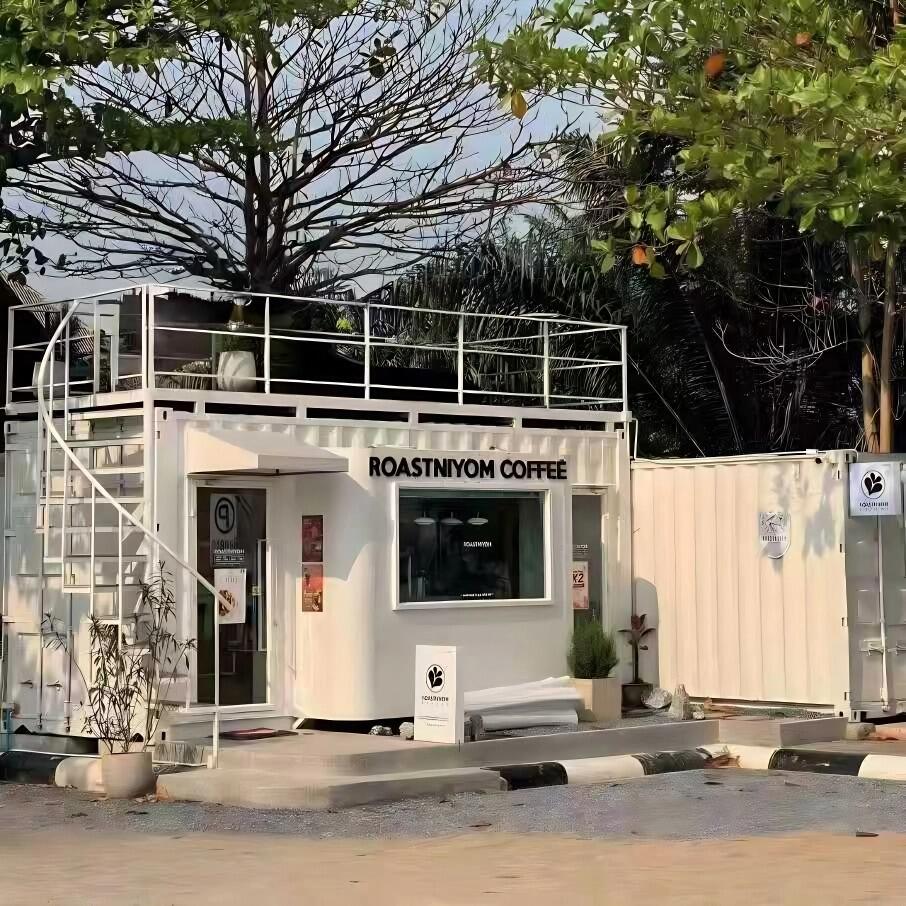
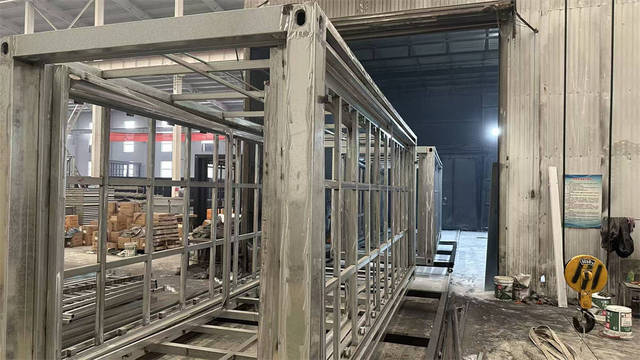
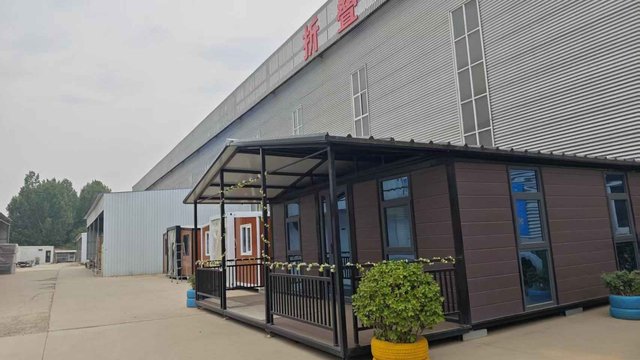
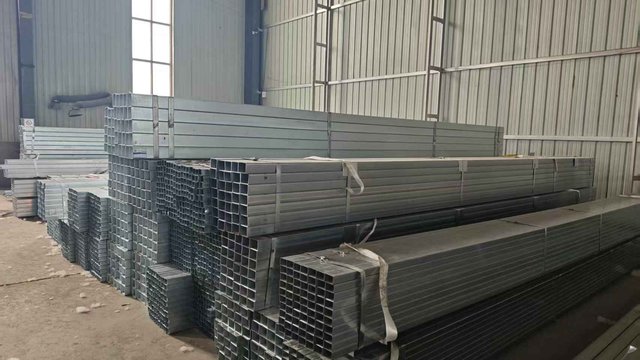
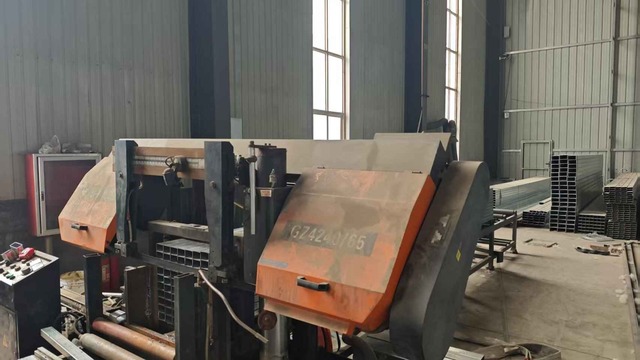
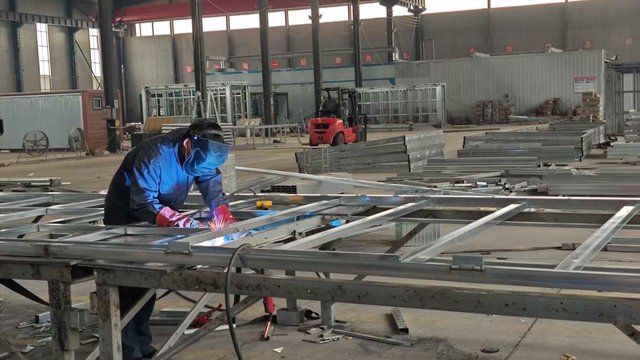
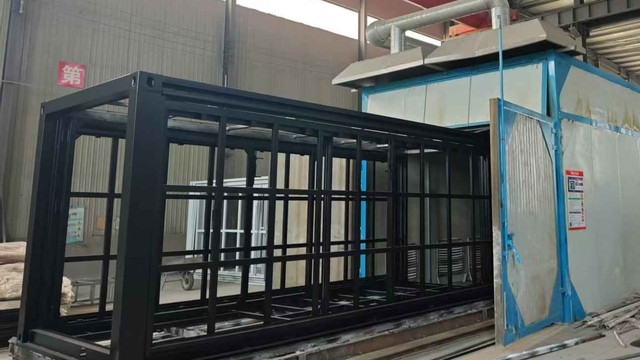
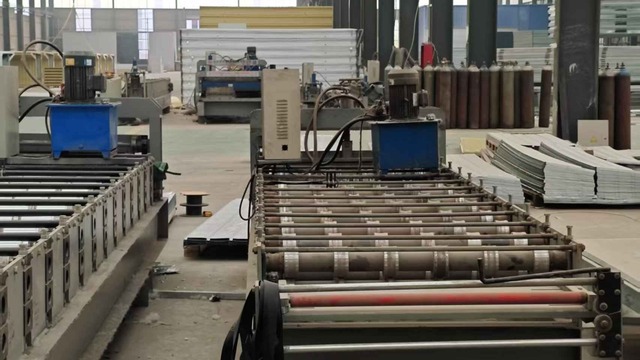
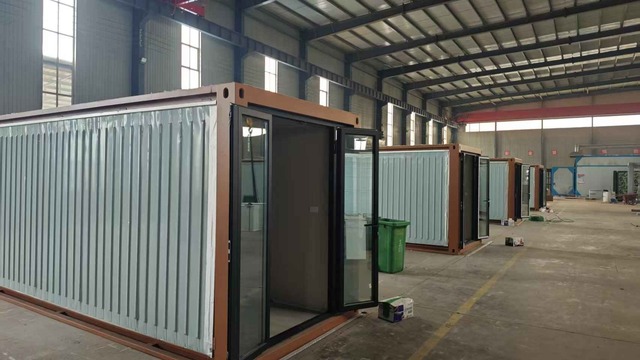
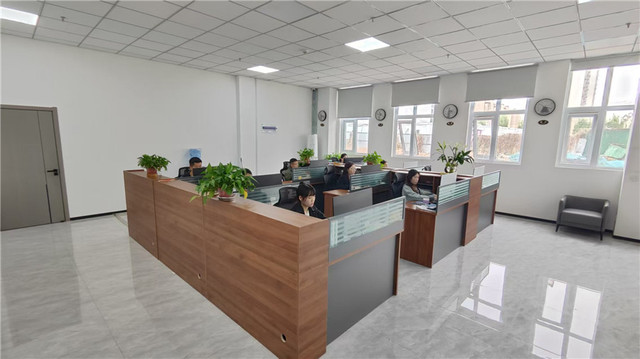
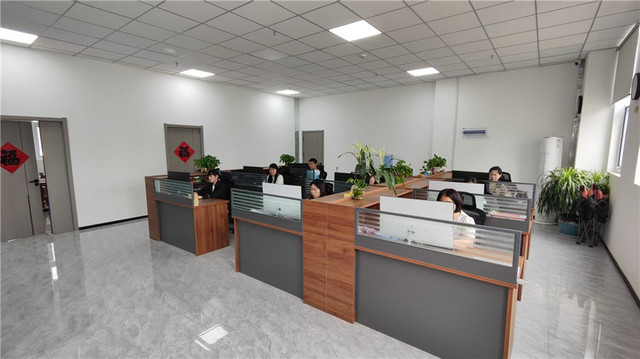
Bridging the gap between strict international standards and local construction execution timelines in the Caribbean region.
Global clients require a streamlined supply chain where architectural designs are translated into ready-to-assemble modules. By flat-packing the component parts, we maximize ocean freight cubic capacity, cutting transport costs to St. John's Deep Water Harbour by up to 40%.
Our modular buildings are manufactured with integrated mechanical, electrical, and plumbing (MEP) pathways. Pre-installed insulated sandwich walls, double-glazed windows, and sanitary wares reduce post-delivery fitting times by 75%.
Accelerated project delivery allows resorts, mining companies, and retail developers to generate operational revenue months ahead of schedules common to concrete-and-block buildings. Modular design reduces unexpected budget extensions.
| Specification Feature | Standard Construction (Local) | Stinson Multi-Storey Modular | Antigua Developer Value Metric |
|---|---|---|---|
| Project Delivery Cycle | 12 - 18 Months | 3 - 5 Months | Up to 70% reduction in lead time |
| Corrosion Protection | Standard paint application | C5-M Marine Hot-Dip Galvanization | Optimal for coastal high-salinity locations |
| Wind Resistance Rating | Variable depending on local masonry | Engineered up to 150-180 mph wind loads | Guaranteed Category 5 Hurricane security |
| On-site Civil Disturbance | High noise, dust, long-term labor | Rapid crane assembly (days to weeks) | Preserves surrounding tropical ecosystems |
Pioneering structural technologies that drive environmental sustainability and longevity in the Eastern Caribbean.
In tropical climates, solar radiation and high temperatures create extreme thermal stress on buildings. Our engineering roadmap addresses this through high-performance thermal insulation technologies. The modular units utilize structural cores insulated with non-combustible Rockwool or closed-cell Polyurethane foam, mitigating heat transfer and lowering air conditioning power requirements.
Externally, our steel framing systems are treated with multi-layer epoxy primer coatings paired with polyurethane topcoats. This formulation prevents electrochemical oxidation (rusting) typical of coastal environments, guaranteeing structural lifetimes exceeding 35 years without significant frame maintenance.
The sustainable trajectory of Antigua and Barbuda aligns with our low-carbon footprint manufacturing. Modular containers are 95% recyclable at the end of their lifecycle. During site placement, modular foundations require minimal excavation (typically simple concrete pad footings), ensuring local soil integrity and preserving natural vegetation.
Custom configuration platforms engineered to adapt to hospitality, commercial, and high-density workforce accommodations.
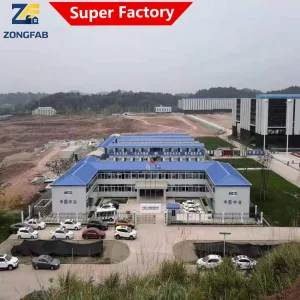
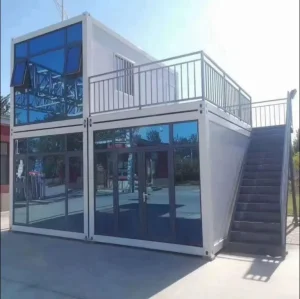
Ensuring seamless import clearance, code approval, and physical installation across the islands.
Navigating the Development Control Authority (DCA) of Antigua and Barbuda requires comprehensive structural documentation. Our engineering department supplies complete structural analysis reports, layout schematics, foundation reaction calculations, and mechanical plans needed for building permit approvals.
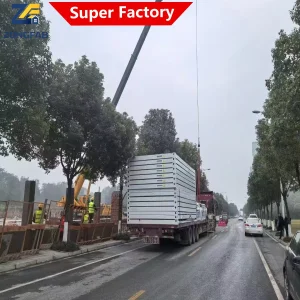
Modules are shipped in high-efficiency shipping bundles or packed inside SOC containers direct to St. John's Deep Water Harbour. From the port, they are moved via flatbed trucks directly to your inland project site. Flat pack systems are sized to travel underneath low overhead utility lines common to historic island routes.
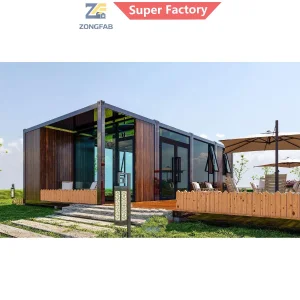
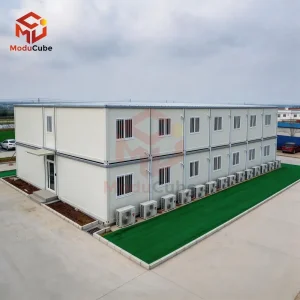
Select from our specialized line of high-density designs, student accommodations, luxury cabins, and administrative spaces.
Clear, authoritative technical answers addressing key architectural, procurement, and logistical requirements.
Contact our senior technical estimating team today to obtain detailed CAD drawings, structural wind load analysis data, factory price lists, and comprehensive shipping quotes.
 Stinson Modular Homes