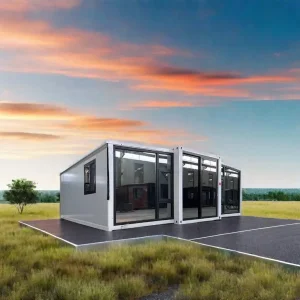
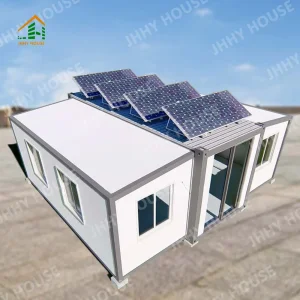
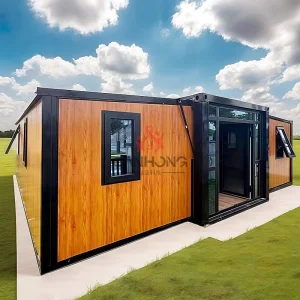
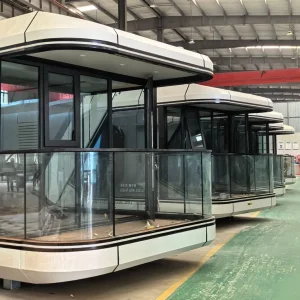
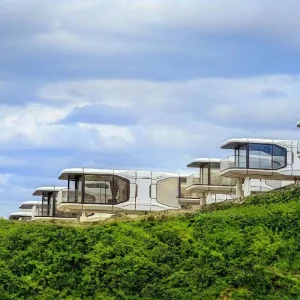
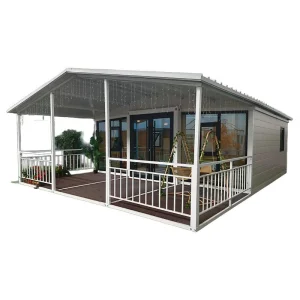
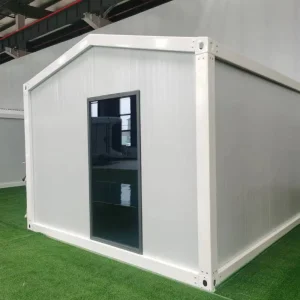
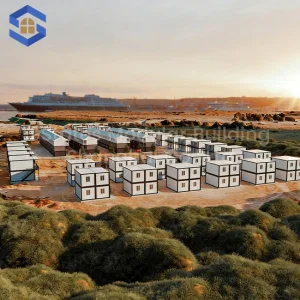
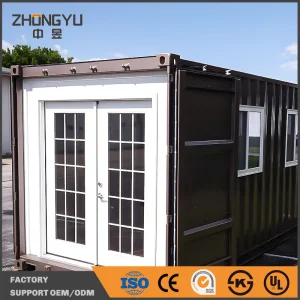
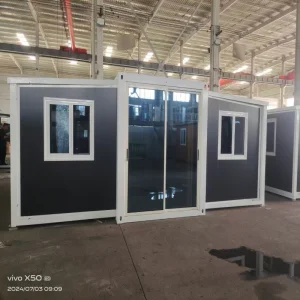
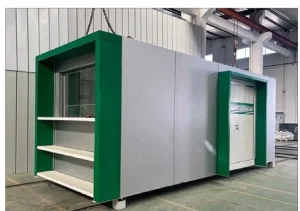
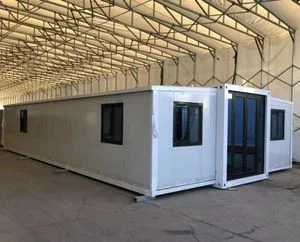
South Korea is currently at the forefront of a dramatic shift towards sustainable urban development. As part of the "Renewable Energy 2030" implementation plan, the Korean government is aggressively incentivizing zero-energy building (ZEB) certifications. This has created a massive surge in demand for Solar Powered Container Houses. Unlike traditional construction, these modular units offer a perfect solution for Korea's high land costs and the need for rapid deployment in areas like Gyeonggi-do and Incheon.
Advanced Building-Integrated Photovoltaics specifically designed for Korea's variable sunlight hours.
Specialized insulation materials to withstand Korea's harsh winters and humid monsoon seasons.
Optimized for transport through major Korean ports like Busan and Incheon with rapid on-site assembly.
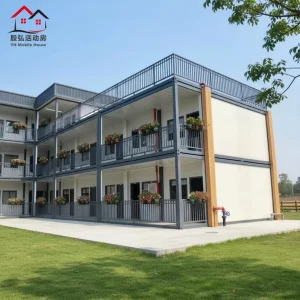
The Korean market for prefabricated housing is no longer limited to temporary construction sites. Today, we see Solar Powered Container House Factories focusing on high-end residential pods, eco-resorts in Jeju Island, and smart office spaces in the Pangyo Techno Valley. The integration of Energy Storage Systems (ESS) allows these units to remain off-grid, a critical feature for rural revitalization projects across the Korean peninsula.
Nanjin Stinson Modular Homes Co., Ltd. is a professional China container house supplier specializing in Apple Cabin units, foldable container homes, and flat pack prefabricated housing systems. The company is committed to delivering innovative, efficient, and sustainable modular living solutions for residential, commercial, and hospitality applications worldwide.
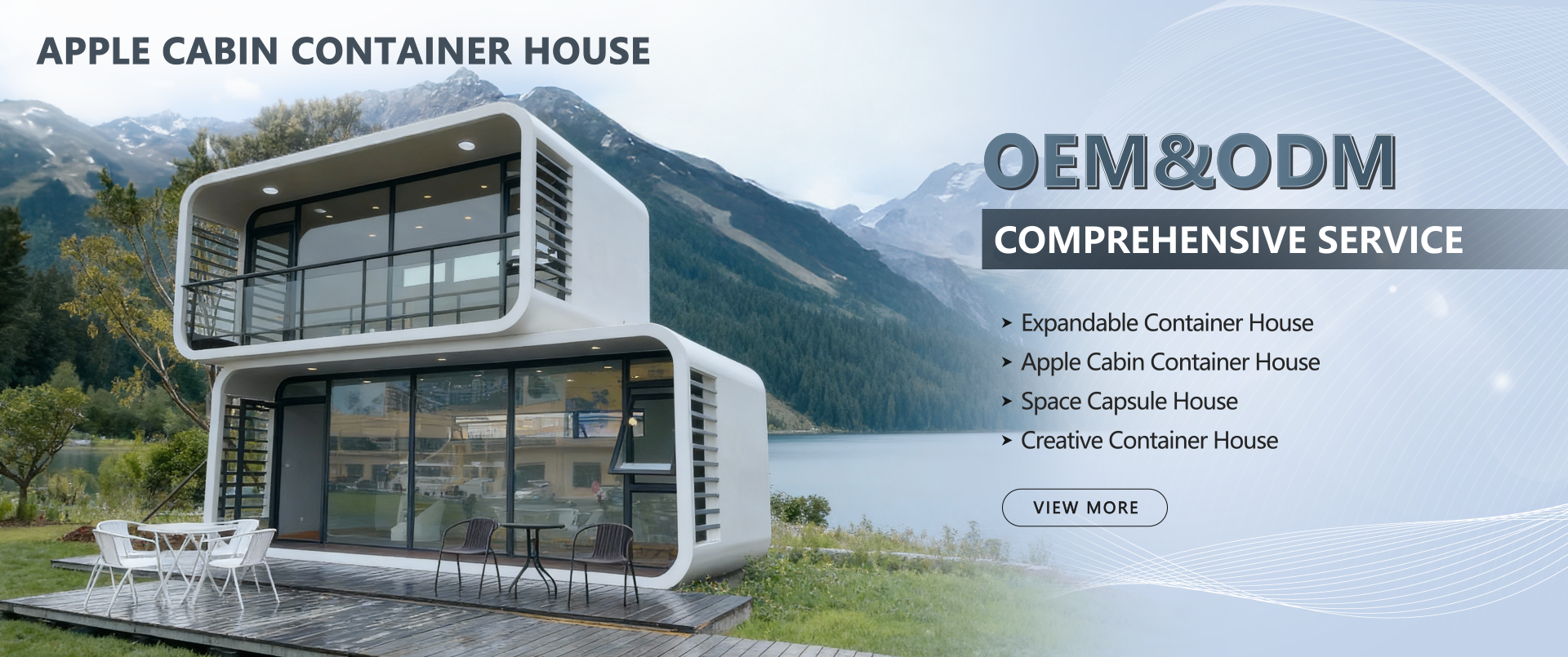
Since its establishment, Stinson Modular Homes has focused on integrating advanced modular construction technology with practical design concepts. In its early stage, the company concentrated on standard container housing solutions for basic accommodation needs. As market demand evolved, it expanded its product line to include foldable and flat pack structures, significantly improving transportation efficiency and on-site installation speed.
In the development phase, the company introduced creative cabin-style housing such as Apple Cabin designs, combining aesthetic appeal with functionality. These solutions are widely used in holiday resorts, eco-tourism projects, mobile offices, and temporary living spaces. Over time, Stinson Modular Homes strengthened its engineering capabilities, production systems, and quality control processes to meet international standards.
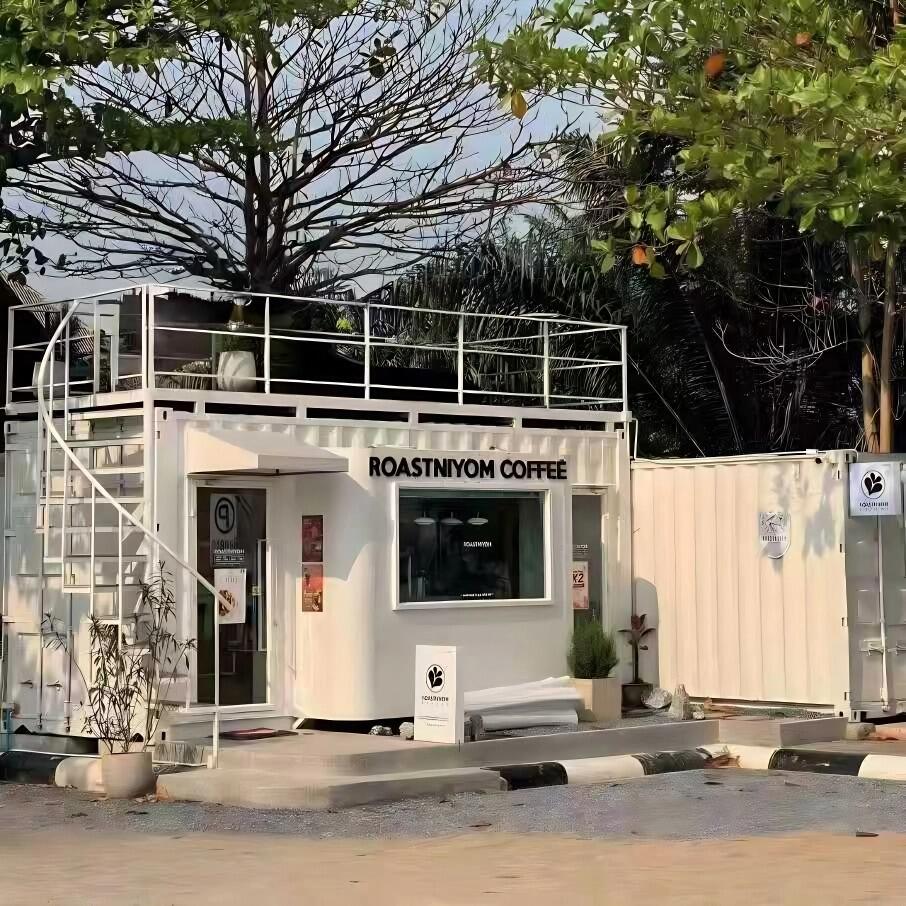
Today, the company continues to innovate in modular architecture, offering customizable layouts, energy-efficient designs, and turnkey project support. With a focus on quality, flexibility, and global service, Nanjin Stinson Modular Homes aims to provide reliable prefabricated housing solutions that adapt to diverse environments and customer requirements worldwide.
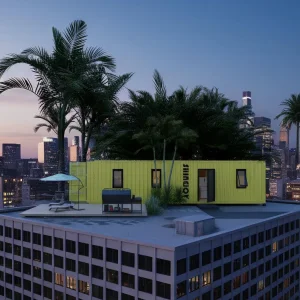
As Seoul faces a housing shortage, solar-powered modular studios offer a stylish, affordable, and quick-to-install alternative for young professionals.
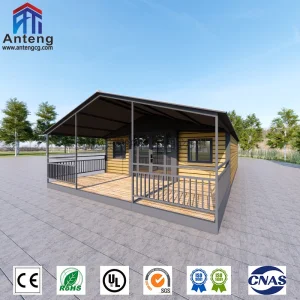
Our solar-powered Apple Cabins are the perfect fit for the "Carbon-Free Island" initiative in Jeju, providing luxury glamping without environmental impact.
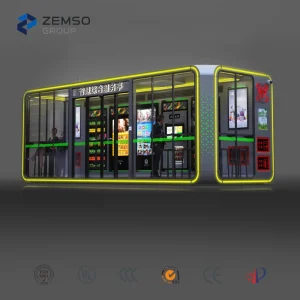
High-tech, mobile laboratory units powered by hybrid solar systems support Korea's R&D sector with flexible workspace solutions.
Years Experience
Korean Projects
Eco-Friendly
Support
Partner with the leading exporter of Solar Powered Container Houses to South Korea.
Send Inquiry NowAs we look towards the next decade, the convergence of AI and IoT with solar modular housing will define the Korean market. Future Solar Powered Container House Exporters must focus on "Smart Grid" compatibility. In Korea, this means homes that can not only generate their own power but also sell excess energy back to the Korea Electric Power Corporation (KEPCO).
South Korea is establishing its own set of standards for modular construction, focusing on seismic resistance (due to increasing minor tectonic activity) and advanced fire safety. Our factory ensures that every unit exported to Korea meets these rigorous K-Standard requirements, including specific floor-loading capacities and electrical certifications.
The Korean "Green New Deal" emphasizes the circular economy. Container houses are the epitome of this, recycling shipping containers into high-value assets. By adding solar panels and efficient HVAC systems, we reduce the lifetime carbon footprint of the building by over 60% compared to traditional reinforced concrete structures used in suburban Korea.
Strategically located for the East Asian market, our production facilities provide a seamless logistical chain. From design and fabrication to shipping and final assembly in Korean cities like Daegu or Gwangju, we offer a comprehensive turnkey solution. Our expertise in navigating Korean customs and local building permits makes us the preferred partner for Korean developers and government contractors.
 Stinson Modular Homes