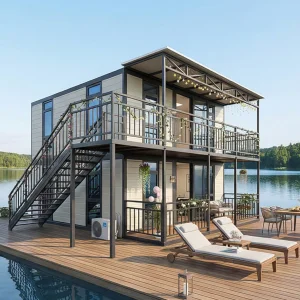
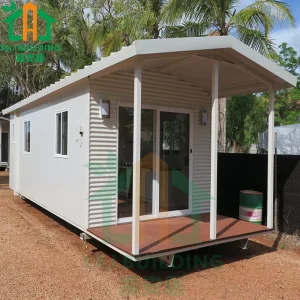
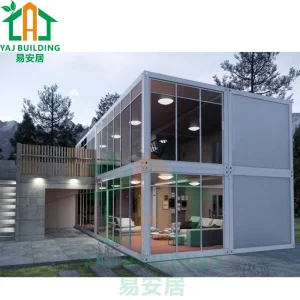
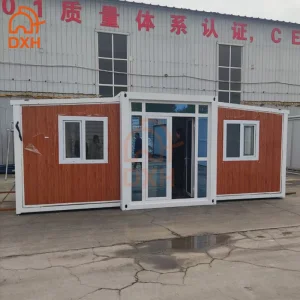
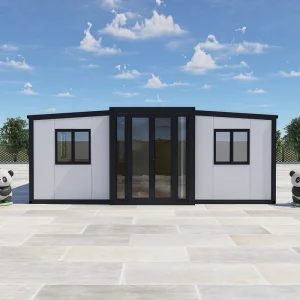
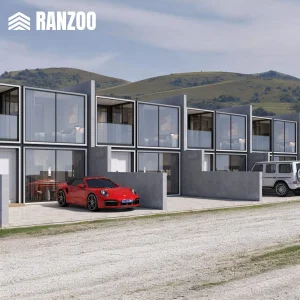
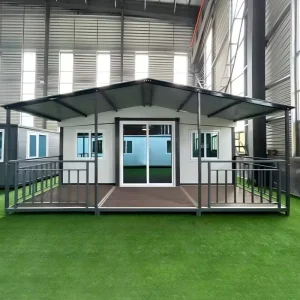
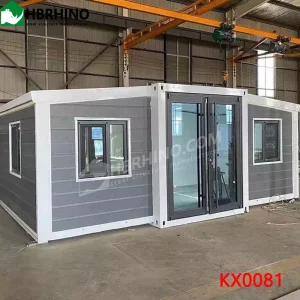
Highly engineered prefabricated modules optimized for heavy commercial usage, remote mining environments, and quick-site setup across the Democratic Republic of the Congo.
Nanjin Stinson Modular Homes Co., Ltd. is a professional China container house supplier specializing in Apple Cabin units, foldable container homes, and flat pack prefabricated housing systems. The company is committed to delivering innovative, efficient, and sustainable modular living solutions for residential, commercial, and hospitality applications worldwide.
Since its establishment, Stinson Modular Homes has focused on integrating advanced modular construction technology with practical design concepts. In its early stage, the company concentrated on standard container housing solutions for basic accommodation needs. As market demand evolved, it expanded its product line to include foldable and flat pack structures, significantly improving transportation efficiency and on-site installation speed.
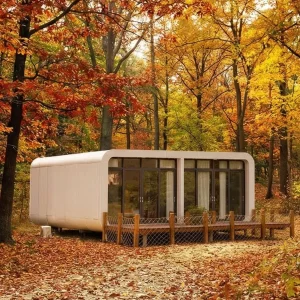
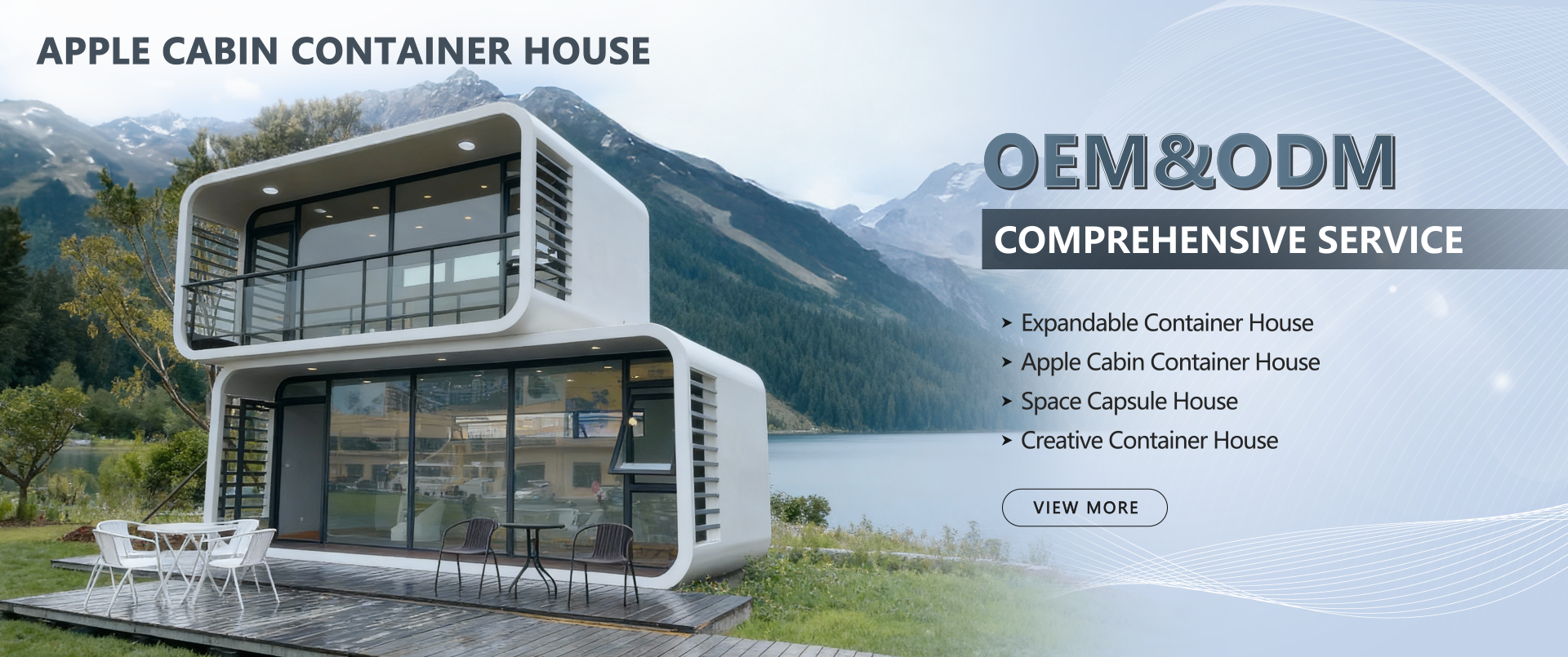
In the development phase, the company introduced creative cabin-style housing such as Apple Cabin designs, combining aesthetic appeal with functionality. These solutions are widely used in holiday resorts, eco-tourism projects, mobile offices, and temporary living spaces. Over time, Stinson Modular Homes strengthened its engineering capabilities, production systems, and quality control processes to meet international standards.
Today, the company continues to innovate in modular architecture, offering customizable layouts, energy-efficient designs, and turnkey project support. With a focus on quality, flexibility, and global service, Nanjin Stinson Modular Homes aims to provide reliable prefabricated housing solutions that adapt to diverse environments and customer requirements worldwide.
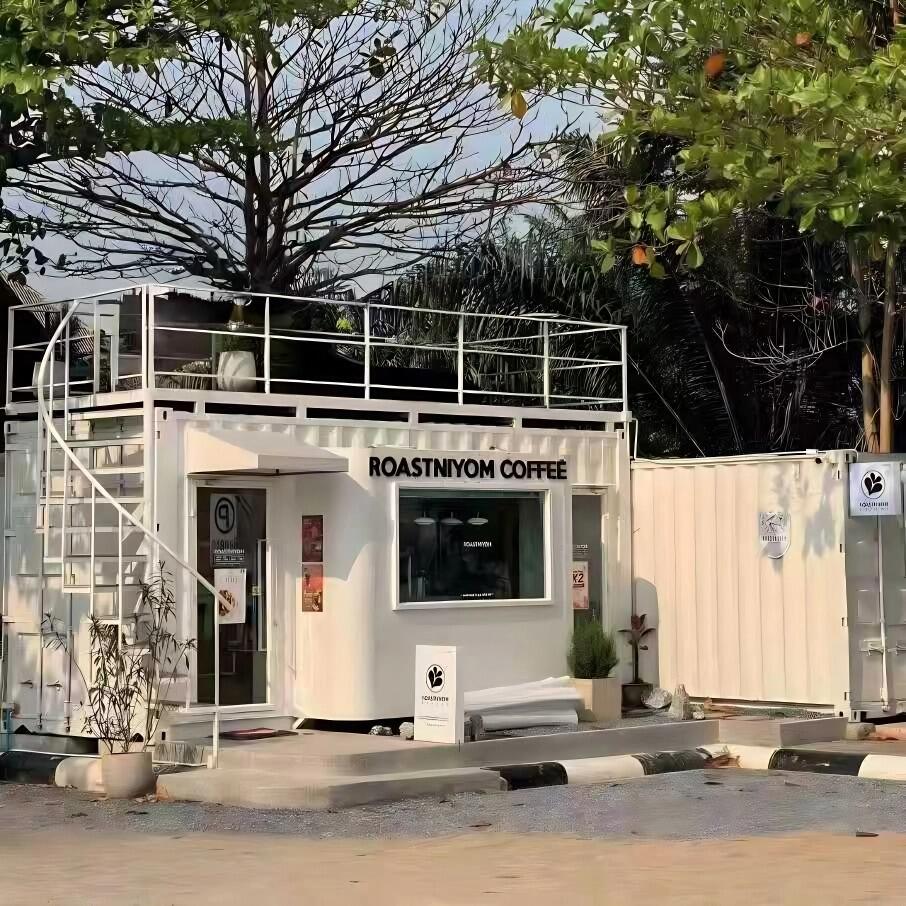
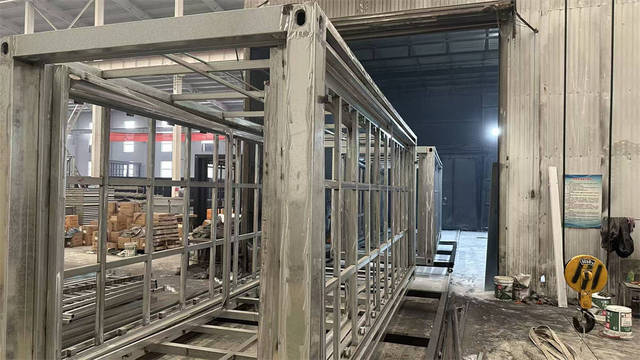
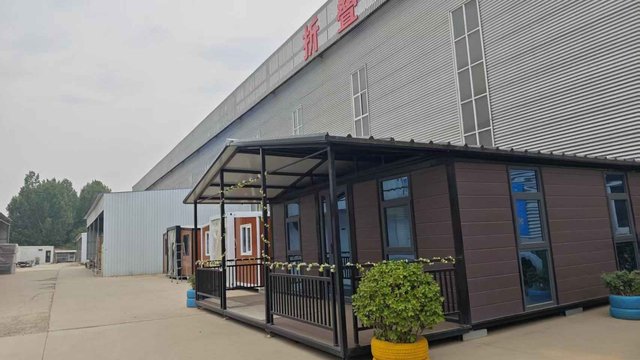
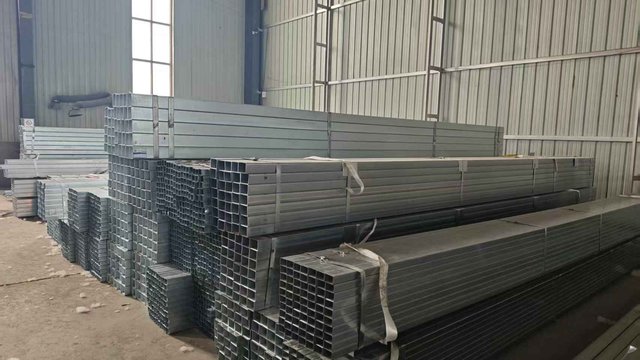
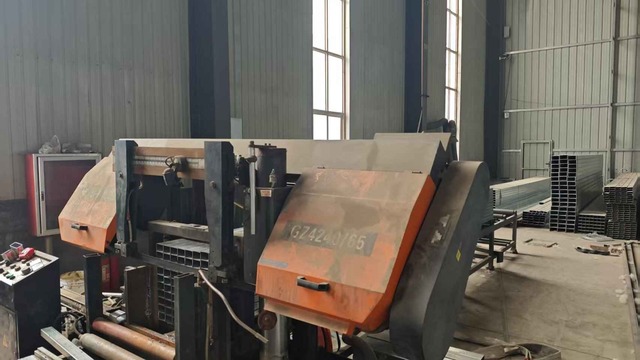
The Democratic Republic of the Congo (DR Congo) is experiencing an unprecedented surge in infrastructural demands, driven primarily by its world-leading mining operations in the copper-cobalt belt of Lualaba and Haut-Katanga, alongside widespread urban growth in Kinshasa, Lubumbashi, and Goma. Mining operations and infrastructure sites operate in environments with harsh weather conditions, where high temperatures, seasonal rains, and remote logistics require sturdy and adaptable solutions. Standard brick-and-mortar construction is often impractical due to prolonged supply chains, cement shortages, and the transient nature of mining deposits.
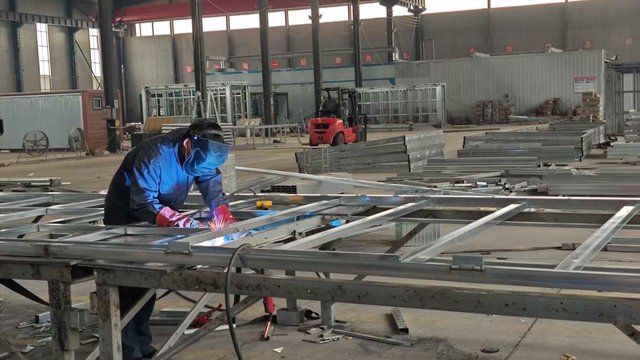
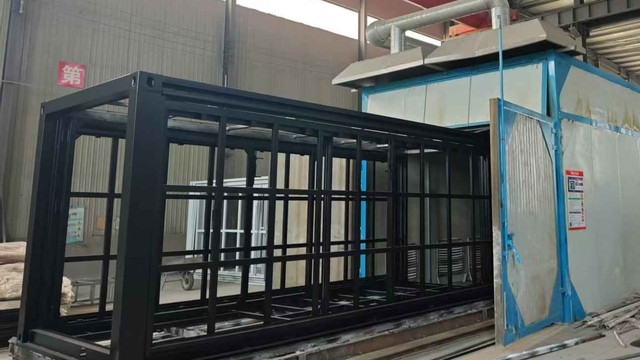
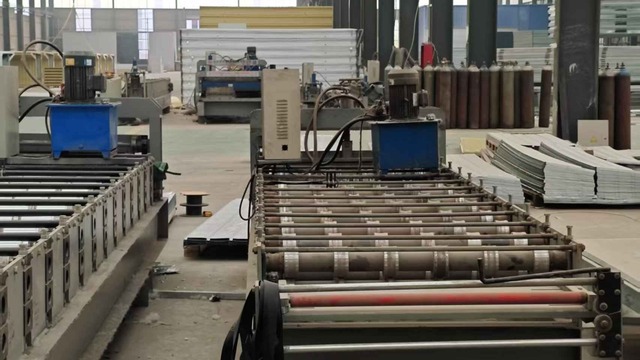
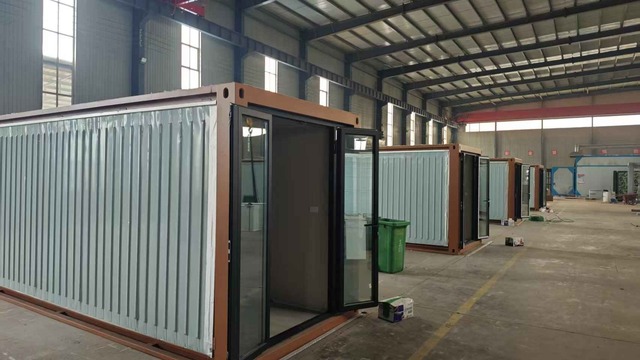
Understanding the transition toward sustainable, pre-fabricated modular design, and how these systems adapt directly to the commercial landscapes of the DRC.
The global construction market is heavily shifting toward modular pre-engineered buildings (PEBs). The driver is threefold: minimizing waste, lowering carbon footprints, and standardizing quality. Contemporary materials such as fiber-cement floor boardings, low-E double-glazed aluminum systems, and integrated solar roofing elements allow containerized housing to act as long-term structures with lifespans exceeding 25 years. Industrial operators no longer view modular units as temporary shacks, but rather as permanent high-value assets.
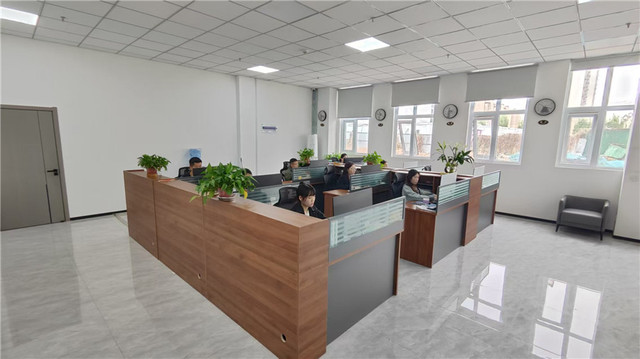
Pre-assembled layouts configured with versatile, double-wing expansions and durable steel structures built to handle challenging jobsite logistics.
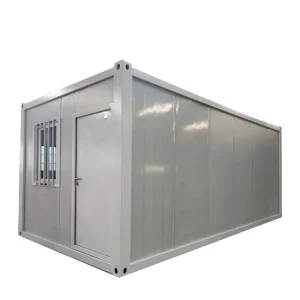
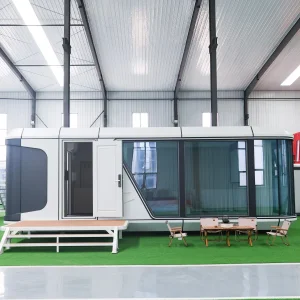
Every model is built using advanced manufacturing standards to withstand seismic shifts, high wind speeds, and persistent moisture ingress.
| Structural Parameter | Standard Specification | Congo Adaptability Performance |
|---|---|---|
| Primary Frame Steel | Q235 / Q345 Hot-dip Galvanized Steel (Thickness: 3.0mm - 4.0mm) | Enhanced rust prevention. Resists high humidity zones in the Congo Basin. |
| Wall Insulation Panels | 50mm/75mm Polyurethane (PU) / High-Density Rockwool (120kg/m³) | Flame-retardant class A; controls temperature to reduce A/C electricity demand. |
| Floor Base | 18mm waterproof MGO Board / Fiber Cement Board + PVC finishes | Waterproof, termite-resistant, handles heavy foot traffic. |
| Wind Load Capacity | Up to 120 km/h (equivalent to class 11 typhoons) | Withstands heavy tropical storms and microbursts in highland sectors. |
| Seismic Resistance | Grade 8 structural rating | Crucial for Kivu region volcanic areas. High elasticity helps absorb earth movement. |
| Roof Drainage | Integrated four-corner water column downspouts | Drains rainwater away from walls to prevent mildew. |
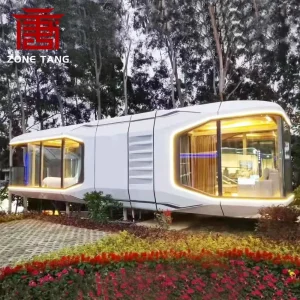
Explore our full line of space capsules, multi-room expandable cabins, and modular flat packs built for the African continent.
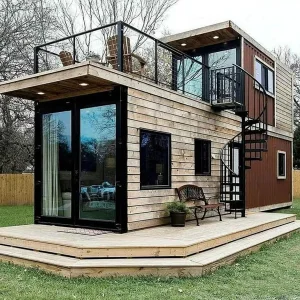
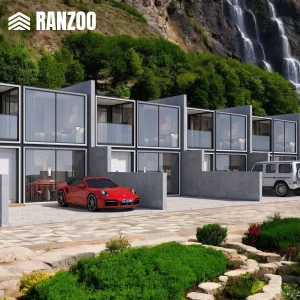
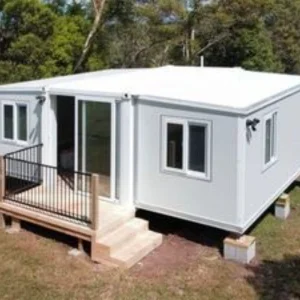
From our factory floor to the heart of the African continent. We optimize shipping methods to secure your supply chain.
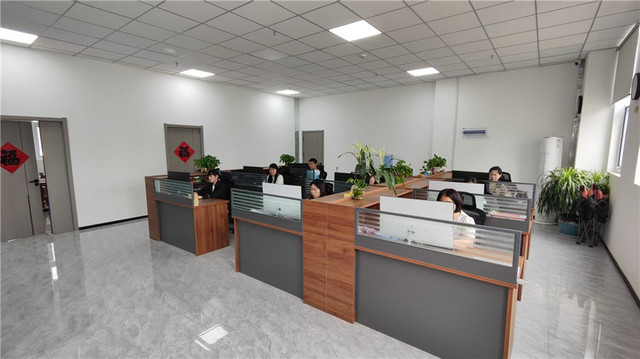
Transporting modular units into central Africa requires deep logistical knowledge. We handle the process from production in China to on-site assembly, utilizing two main logistics pathways:
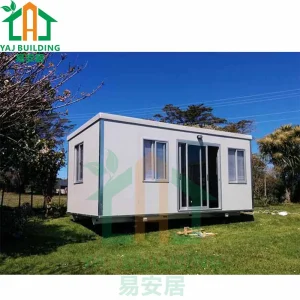
Our flat-pack models are optimized so that structural framing, walls, and ceiling panels pack into a single bundle, optimizing space for ocean transport.
Answers to technical, logistical, and structural inquiries regarding modular houses imported into the Democratic Republic of the Congo.
Speak with our structural engineers today. We supply detailed CAD designs, custom quotations, and logistical plans tailored for deployment across the DR Congo.
Send Inquiry Now Stinson Modular Homes