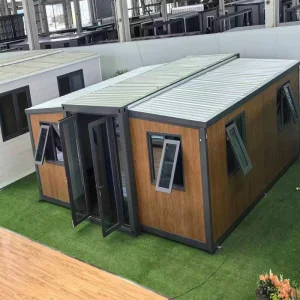
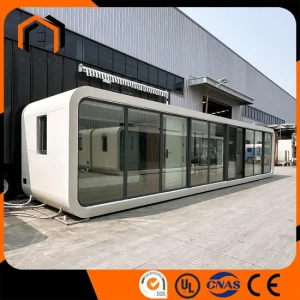
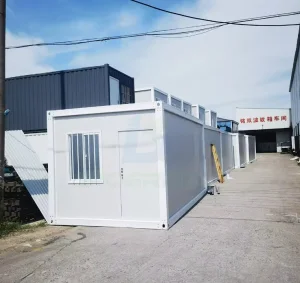
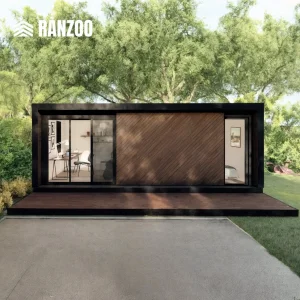
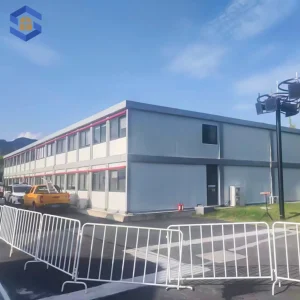
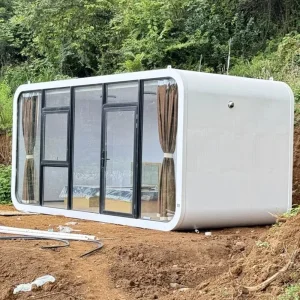
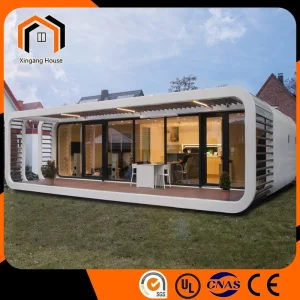
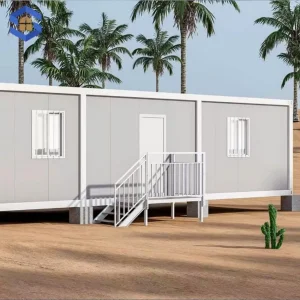
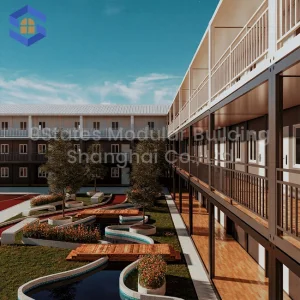
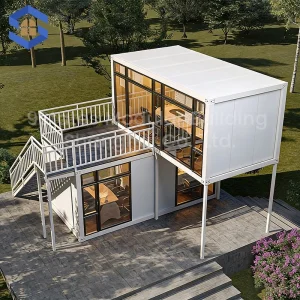
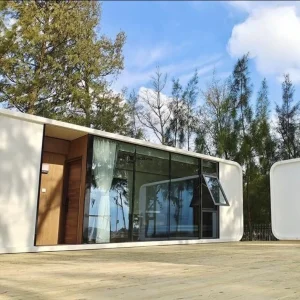
Modern enterprises operate under compressed timelines. Compact container offices offer plug-and-play setup options that reduce on-site build times by up to 80% compared to traditional brick-and-mortar structures.
Navigating building codes is a major hurdle. Sourcing CE certified compact container offices guarantees structural calculations, windload tolerance, and material non-toxicity parameters align with strict EU and international standards.
With predictable pre-fabrication expenses, organizations eliminate materials wastage, weather-induced delays, and contractor management overhead, yielding highly predictable project expenditures.
Purchasing prefabricated office modules without proper CE marking exposes companies to zoning compliance rejections, insurance liabilities, and structural risks. CE certification validates structural steel integrity, electrical insulation resistance, and thermal efficiency thresholds, ensuring safe and long-term occupancy under varying climate zones.
Integrating innovative design with robust manufacturing methodologies, Nanjin Stinson Modular Homes Co., Ltd. stands as a premier enterprise in the modular prefabricated structures sector. Below, we detail the company's historical journey, operational profile, and physical factory execution capabilities.
Nanjin Stinson Modular Homes Co., Ltd. is a professional China container house supplier specializing in Apple Cabin units, foldable container homes, and flat pack prefabricated housing systems. The company is committed to delivering innovative, efficient, and sustainable modular living solutions for residential, commercial, and hospitality applications worldwide.
Since its establishment, Stinson Modular Homes has focused on integrating advanced modular construction technology with practical design concepts. In its early stage, the company concentrated on standard container housing solutions for basic accommodation needs. As market demand evolved, it expanded its product line to include foldable and flat pack structures, significantly improving transportation efficiency and on-site installation speed.
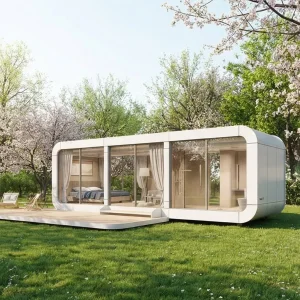
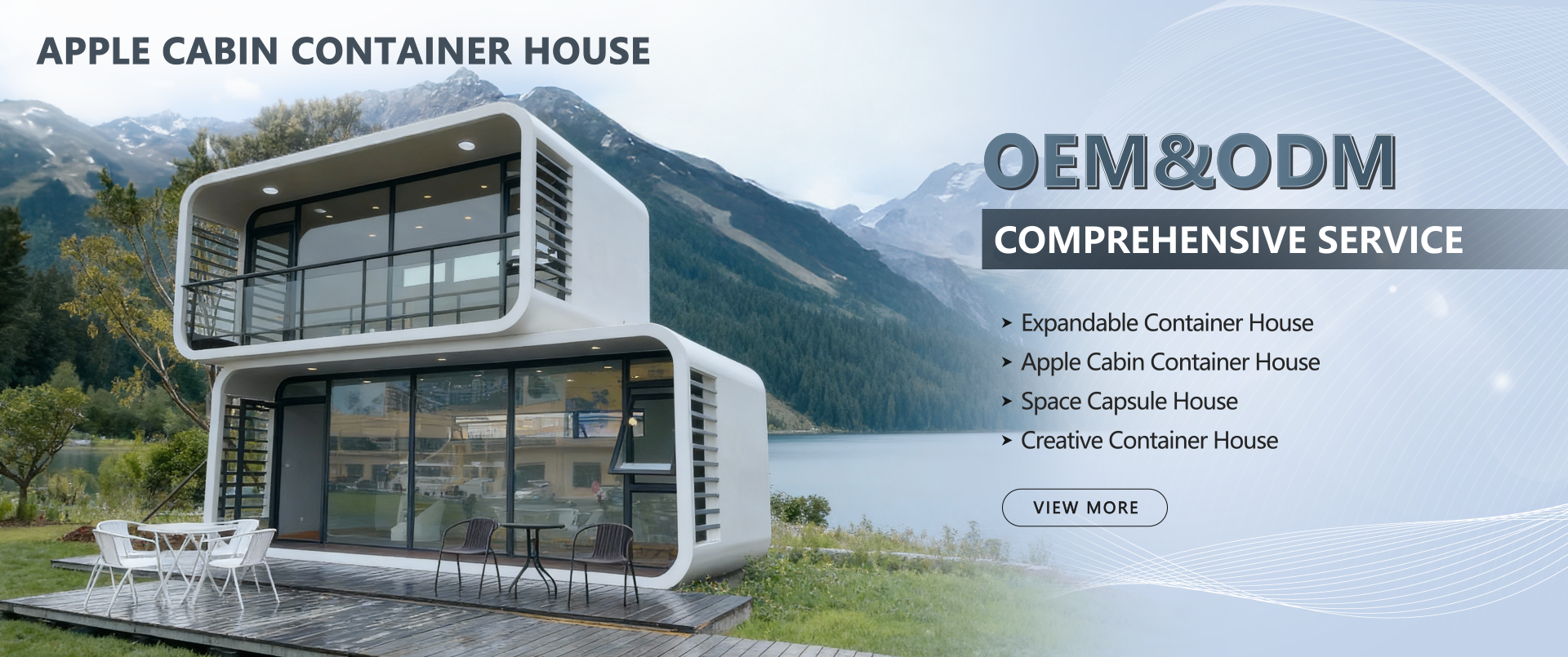
In the development phase, the company introduced creative cabin-style housing such as Apple Cabin designs, combining aesthetic appeal with functionality. These solutions are widely used in holiday resorts, eco-tourism projects, mobile offices, and temporary living spaces. Over time, Stinson Modular Homes strengthened its engineering capabilities, production systems, and quality control processes to meet international standards.
Today, the company continues to innovate in modular architecture, offering customizable layouts, energy-efficient designs, and turnkey project support. With a focus on quality, flexibility, and global service, Nanjin Stinson Modular Homes aims to provide reliable prefabricated housing solutions that adapt to diverse environments and customer requirements worldwide.
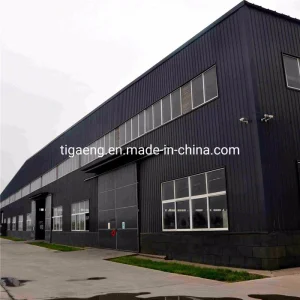
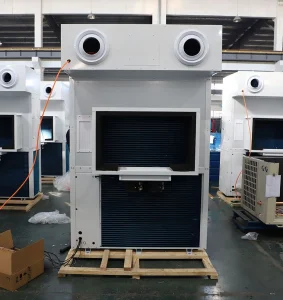
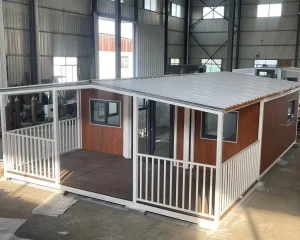
Here is an inside look at Stinson's production environment, displaying structural integrity testing, materials assembly, and finished modular cabins undergoing rigorous final pre-delivery inspections:
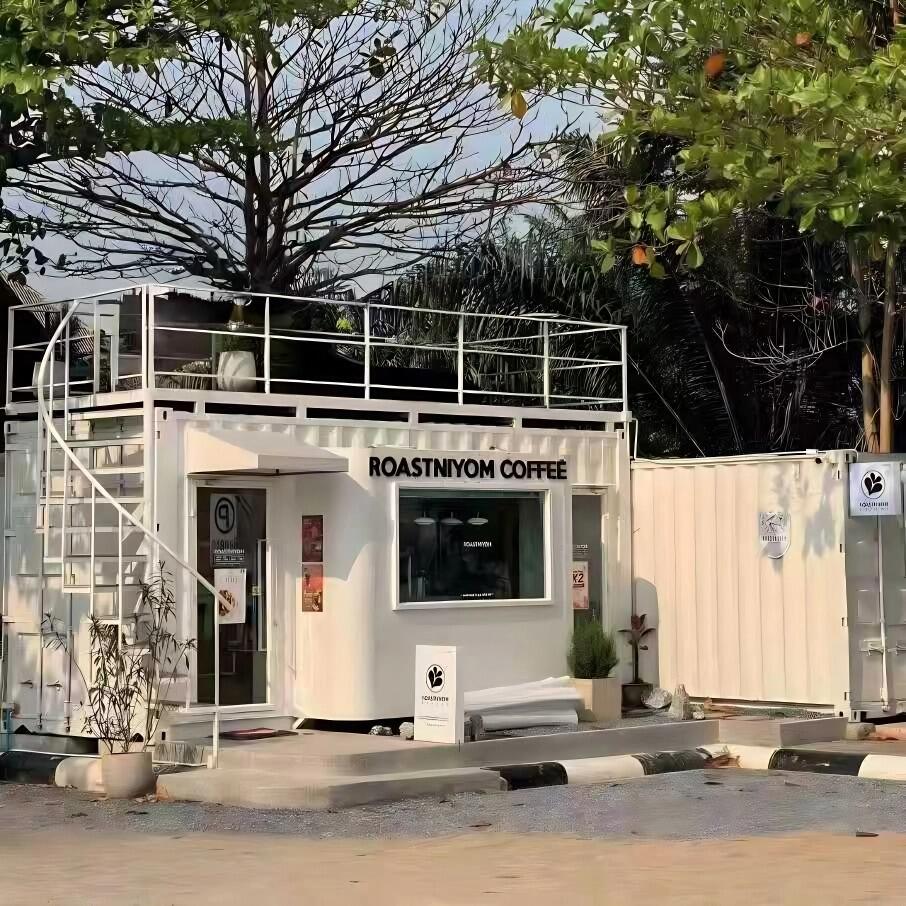
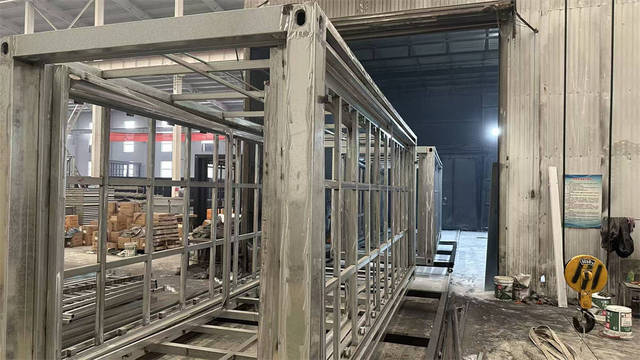
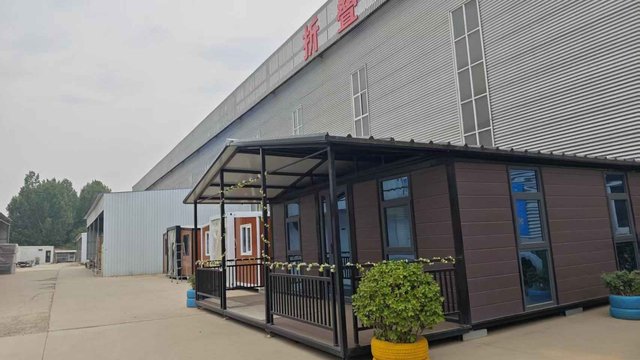
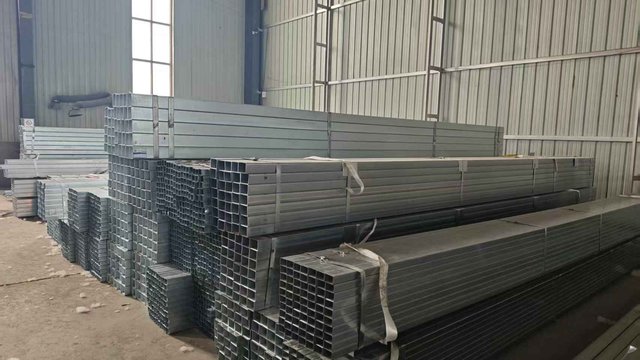
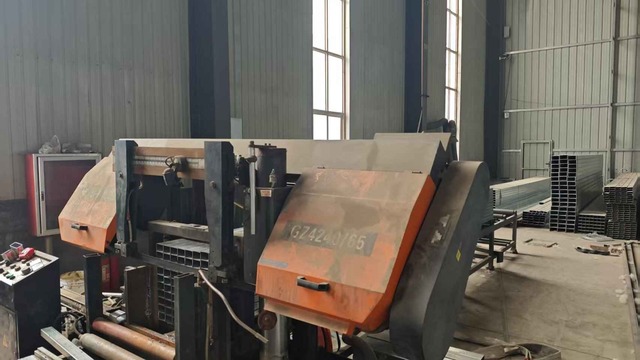
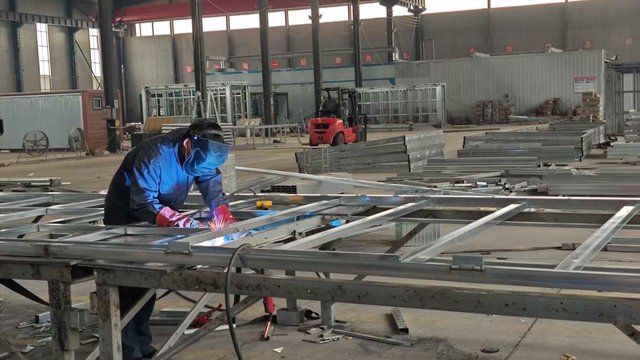
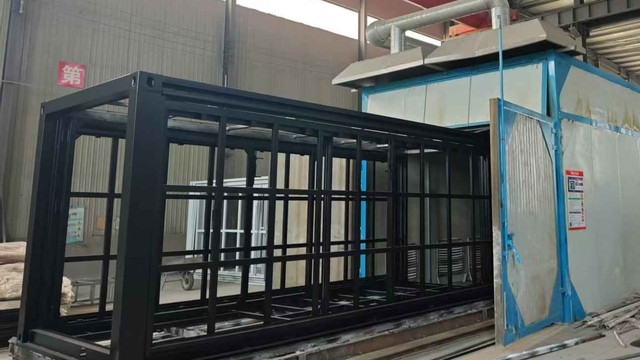
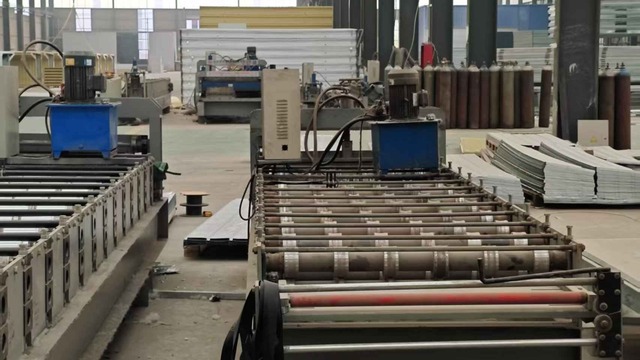
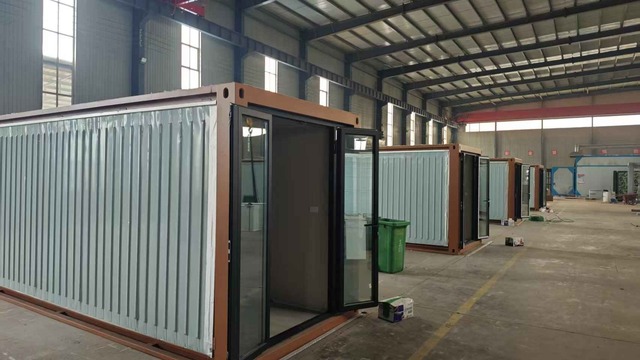
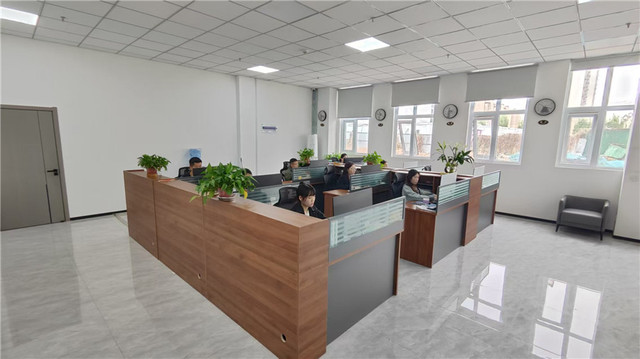
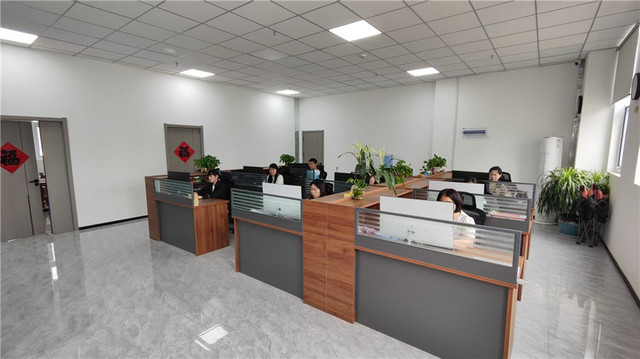
Nanjin Stinson Modular Homes operates at the epicenter of China's primary steel fabrication and automated manufacturing clusters. This geographic location ensures immediate access to high-tensile hot-dip galvanized steel, marine-grade anti-corrosive coatings, and high-efficiency insulation panels at optimized base rates.
By using CNC laser cutters and robotic welding stations, Stinson eliminates human error margins in critical chassis and corner-casting connections. This level of fabrication precision ensures modular container parts fit perfectly on-site, preventing water leaks or load structural shifts.
The consolidation of supply channels allows Stinson to integrate advanced smart thermal control technologies and solar setups directly within the factory production phase. This integrated approach reduces material waste by 30% compared to traditional on-site construction methods, supporting sustainable development and green building practices.
| Material Element | Standard Specification | Performance Output Advantage |
|---|---|---|
| Structural Frame | Q235 / Q345 Cold-Formed, Hot-Dip Galvanized (Min. 275g/m²) | Resists corrosion for 25+ years, even in marine (C4/C5) environments. |
| Wall Panels | Polyurethane (PU) / High-Density Rockwool Sandwich (50-100mm) | Class A1 fire rating with thermal conductivity values below 0.024 W/m·K. |
| Flooring Base | Fiber Cement Board (18mm) with Homogeneous PVC Flooring (2mm) | Supports high mechanical loads (up to 400kg/m²) and resists moisture. |
| Electrical Systems | CE/AS/NZS Compliant Hidden Conduit Cabling & Junction Boxes | Pre-configured setup options reduce on-site electrical installation hazards. |
Deploying compact modular container offices requires complying with local zoning regulations, energy efficiency criteria, and structural load calculations. Below is a breakdown of regional support specifications provided by China container house manufacturers:
Compliance Matrix: CE Marking (EN 1090-1 / EN 1090-2 structural steel conformity approval). U-value standards aligned with localized building energy codes (EPBD). ISO certified fabrication guarantee.
Compliance Matrix: AISC structural standards, NEC electrical compliance, and NFPA 701 fire retardancy for textile linings and interior panels. Wind-load resistance engineered up to ASCE 7 levels.
Compliance Matrix: Structural design adheres to AS/NZS 1170 (Structural design actions) and AS/NZS 3000 (Electrical wiring installations), including cyclonic region structural reinforcements.
From high-temperature desert construction setups to sub-zero ski resort cabins, Stinson implements tailored structural engineering adjustments. The design incorporates custom thermal breaks, specialized smart cooling units, and optional dual-seal moisture protection layers to handle extreme environmental demands.
Remote resource extraction sites rely on durable, easy-to-ship office blocks. Stinson's corrosion-protected, steel-framed modular units function as field offices, geologist laboratory stations, and communication hubs. These offices withstand dust, rain, and seismic shifts, keeping remote operations running smoothly.
City-center development projects face tight space constraints and strict time limits. Flat-pack modular offices assemble quickly on-site and can be stacked up to three units high. This configuration maximizes layout efficiency in dense urban construction zones.
During health crises or natural disasters, cities require rapid-deployment field offices. Foldable container designs set up in under 15 minutes per unit. This makes them ideal for temporary triage hubs, administrative centers, and emergency shelter clinics.
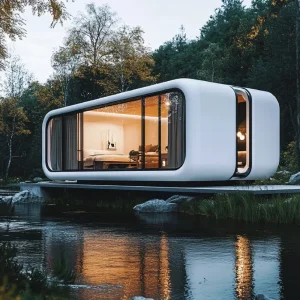
High-end eco-resorts require structures that blend aesthetic appeal with low environmental impact. Custom modular units, such as the Apple Cabin, feature integrated solar roofs and double-glazed panoramic windows. These design choices offer premium guest spaces without disturbing local ecosystems.
The global modular construction market is shifting from basic temporary cabins to intelligent, low-emission workspaces. The primary technological trends shaping the prefabricated container landscape include:
Contemporary container offices now feature pre-installed IoT sensors. These networks monitor interior relative humidity, optimize thermal control systems, and regulate lighting based on real-time room occupancy, lowering operational utility costs.
Integrating photovoltaic solar systems directly onto container roofs enables offices to run independently. This allows modules to generate, store, and utilize their own power, making them highly effective for remote environmental monitoring stations and off-grid mining sites.
To reduce embodied carbon, manufacturers utilize recyclable steel, organic wood paneling, and zero-VOC insulation materials. This focus on life-cycle sustainability helps projects qualify for green building certifications like LEED or BREEAM.
What does CE certification guarantee on a compact container office?
CE certification ensures the container office complies with European Economic Area (EEA) safety, health, and environmental standards. It guarantees structural steel load-bearing integrity (EN 1090), electrical circuit insulation protection, and wind and snow load resistance specified by EN Eurocodes.
How does Nanjin Stinson Modular Homes package products for international shipping?
Our flat pack container offices and foldable homes are bundled in protective stacks to maximize shipping efficiency. For example, four flat-pack modules pack into a standard 20FT container slot, reducing international freight costs by up to 75%.
What wall insulation options are available for hot or cold climates?
We provide high-density Rockwool (up to 100mm) for sites requiring superior fire ratings and acoustic control. For colder areas requiring high thermal resistance, we supply polyurethane (PU) sandwich panels that offer low thermal conductivity (0.022 W/m·K).
Can the container offices be stacked, and what is the foundation requirement?
Yes, our heavy-duty steel structure modules stack up to three levels high. Foundations can range from simple concrete pier footings at corner casting points to full concrete slab foundations, depending on regional soil stability and building height.
How long does it take to assemble a 20FT flat pack office unit on-site?
A standard 20FT flat pack container unit can be fully assembled in approximately 2 to 3 hours by a team of three semi-skilled workers using basic tools and a crane to lift the roof assembly into place.
 Stinson Modular Homes