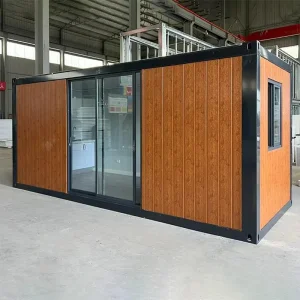
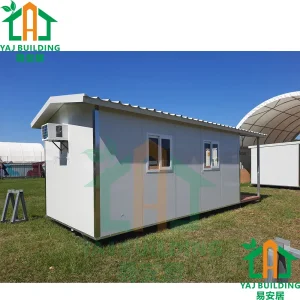
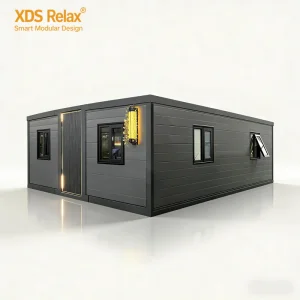
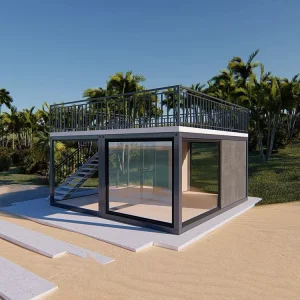
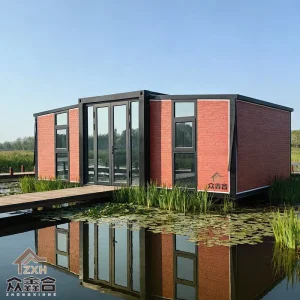
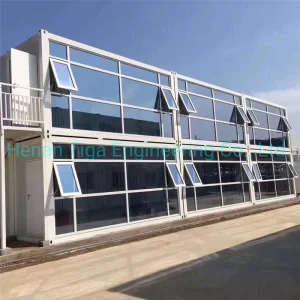
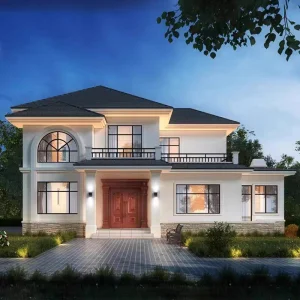
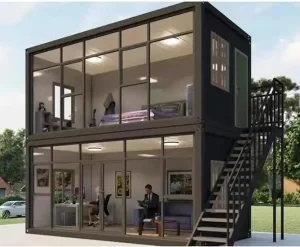
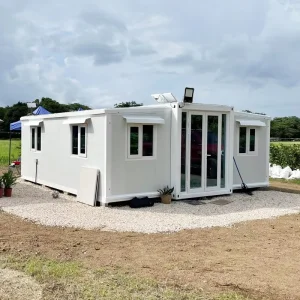
The global construction industry is undergoing a fundamental transformation. As climate change imperatives and urbanization pressures converge, sustainable container homes have emerged not just as an alternative, but as a primary solution for resilient urban development. Companies like Nanjin Stinson Modular Homes Co., Ltd. are at the forefront of this revolution, redefining the "China Container House Supplier" archetype through high-end engineering and eco-conscious design.
Unlike traditional masonry construction, modular container systems offer a 40% reduction in carbon footprint during the build phase. By utilizing high-grade recycled steel and integrating renewable energy systems—such as solar-powered off-grid units—these structures represent the pinnacle of "Circular Economy" principles in architecture.
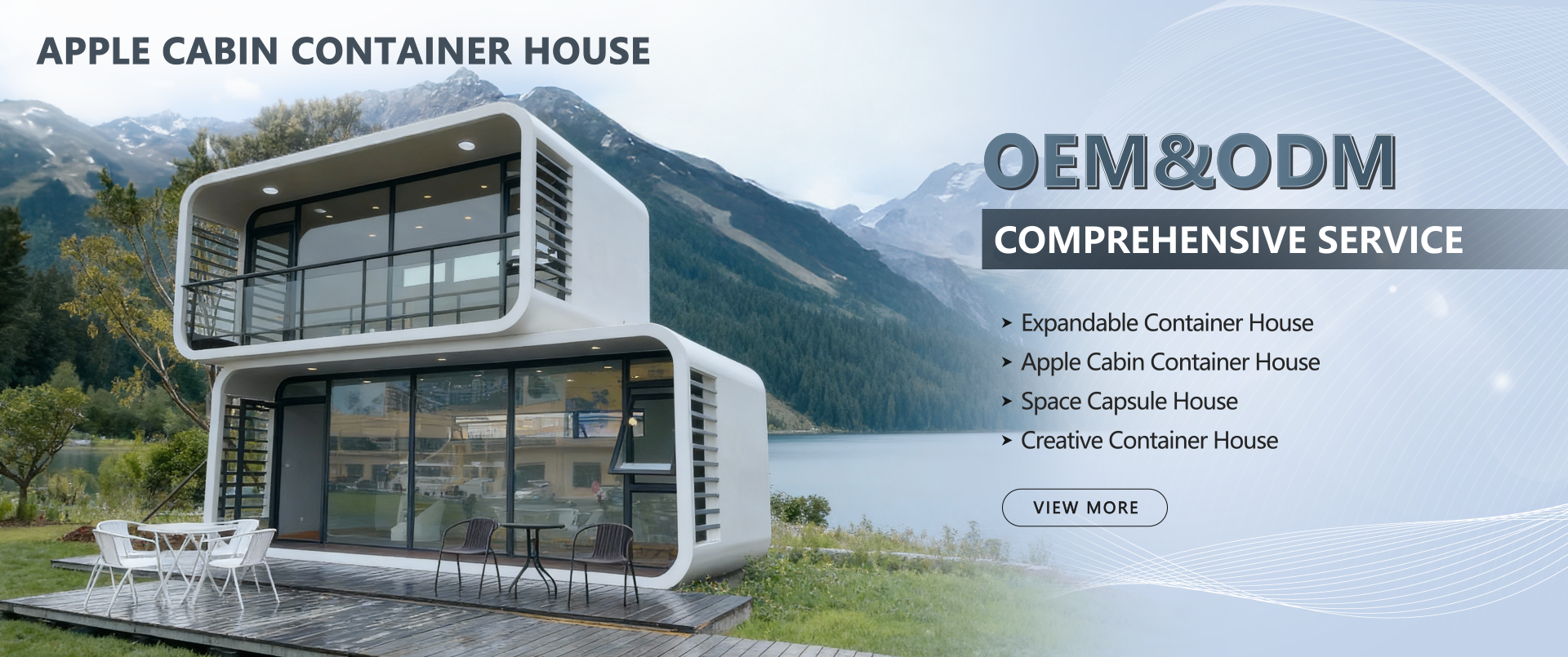
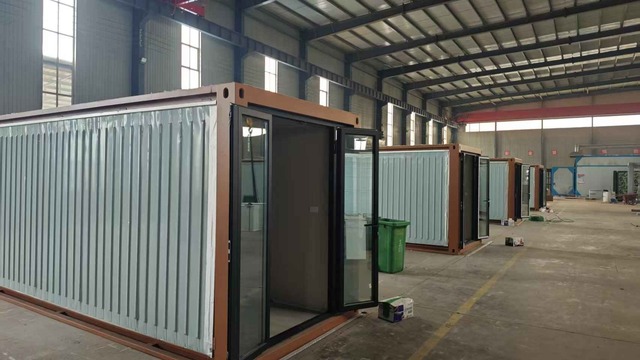
Nanjin Stinson specializes in Apple Cabin units, foldable container homes, and flat pack prefabricated housing. Their commitment extends beyond mere production to delivering turnkey project support for residential, commercial, and hospitality applications worldwide.
China's dominance in the container home export market is not merely due to cost efficiency; it is driven by a sophisticated industrial ecosystem that integrates R&D, material science, and logistics.
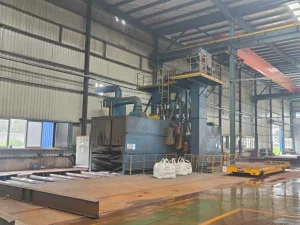
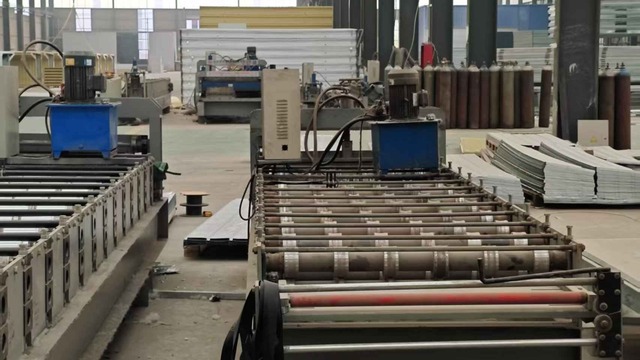
Chinese factories like Stinson benefit from being in proximity to the world's largest steel production and electronics hubs. This allows for the seamless integration of smart home technologies, high-performance insulation (PU/EPS/Rockwool), and custom glass facades directly into the modular unit.
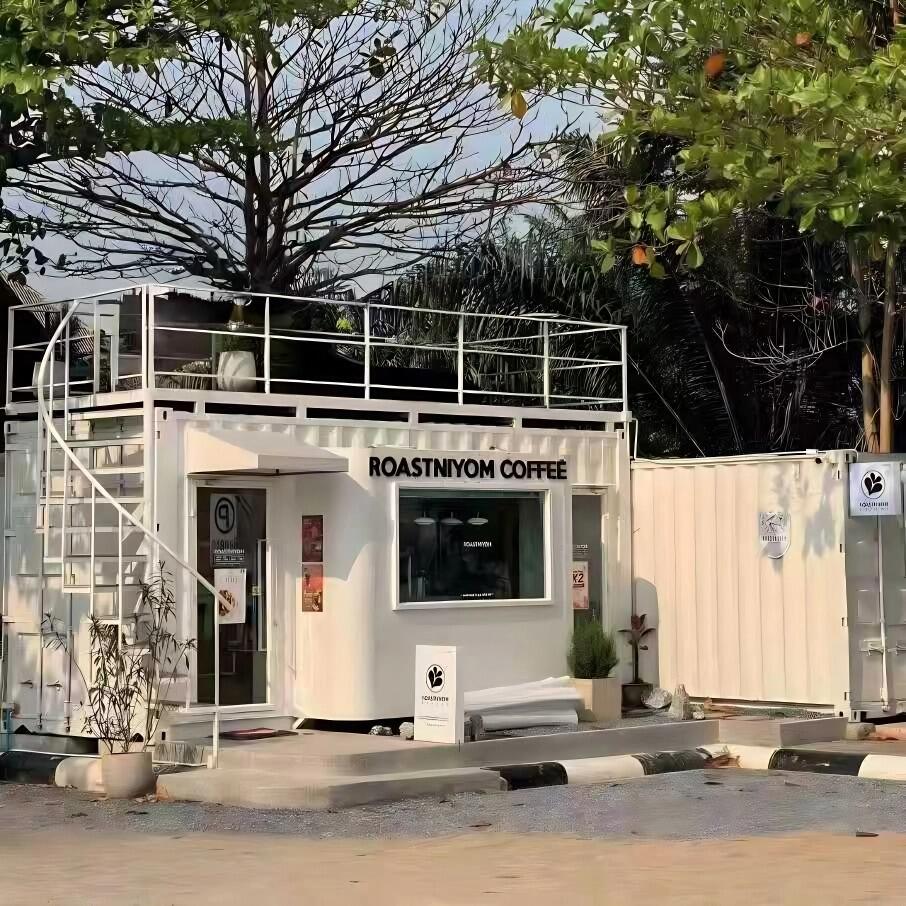
Modern Chinese exporters strictly adhere to international building codes, including CE (Europe), AS/NZS (Australia/New Zealand), and IBC (USA). Stinson’s "Apple Cabin" series, for example, utilizes aerodynamic aesthetics combined with structural frames that can withstand Magnitude 8 earthquakes and Level 12 typhoons.
Since its establishment, Stinson has transitioned from standard housing to expandable and flat-pack structures, optimizing transportation volume by up to 75%—a critical factor for global procurement logistics.
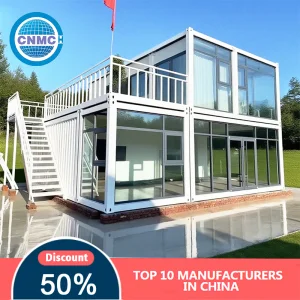
The "Apple Cabin" and glass-facade villas are revolutionizing the hospitality sector. They allow developers to create luxury resorts in remote, environmentally sensitive areas with zero footprint on-site construction.
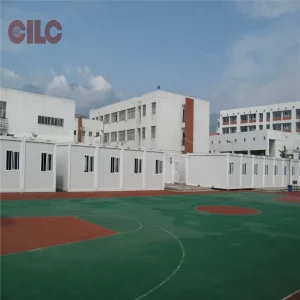
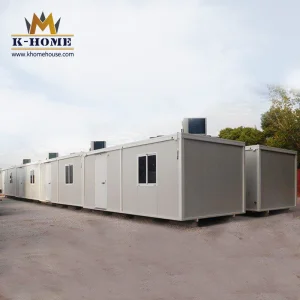
Large-scale mining, drilling, and infrastructure projects require rapid-deployment living quarters. Stinson’s 20FT customized drilling housing units provide safe, insulated, and transportable dormitories for harsh environments.
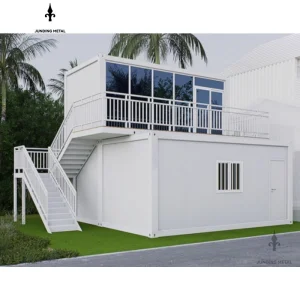
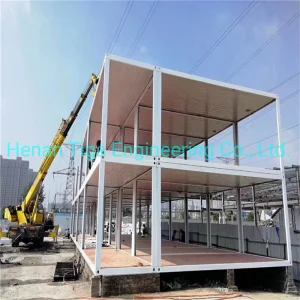
In cities like London, Sydney, and Vancouver, container homes are solving the affordability crisis. Their modular nature allows for stacking in narrow urban spaces, creating multi-story high-end residential living.
Nanjin Stinson Modular Homes continues to innovate with energy-efficient designs. Today, the focus is on "Turnkey Solutions"—providing not just the shell, but the fully equipped interior, including plumbing, electrical, and furniture, ensuring that a unit is ready for occupancy within hours of arrival.
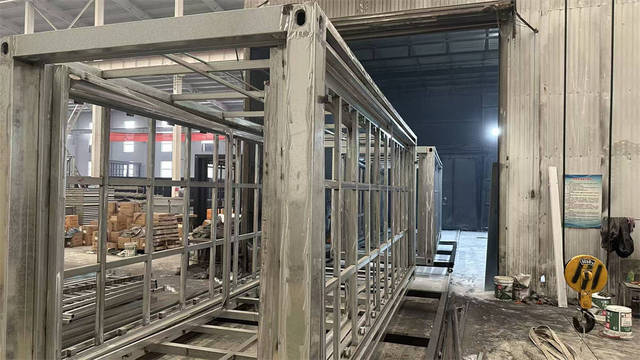
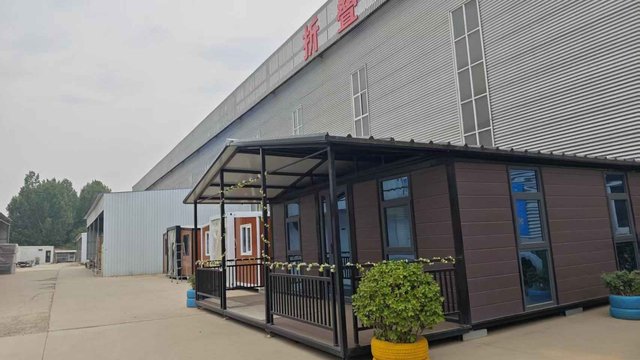
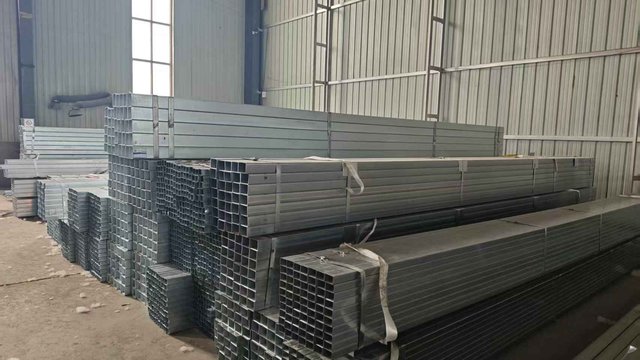
For global B2B buyers, procurement from a top-tier factory involves more than just selecting a model. It requires a partner who understands international logistics and customs compliance. Stinson Modular Homes offers turnkey project support, from design customization to final delivery.
Key Considerations for Importers:
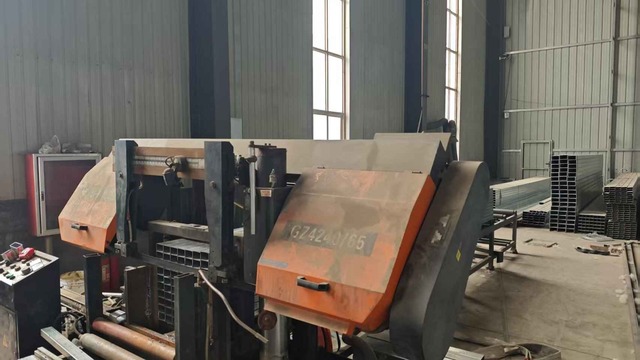
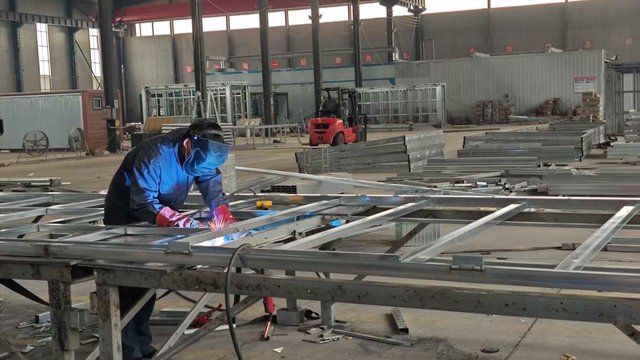
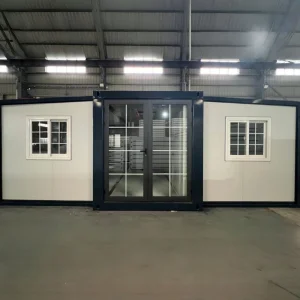
The rise of the Double Wing Expandable House has changed the ROI calculation for portable housing. By fitting a 37sqm living space into a standard shipping container footprint for transport, shipping costs are reduced by 300% compared to non-collapsible modular units. This makes high-quality housing viable for remote island development and disaster relief zones.
As we look toward 2030, modular construction will move toward AI-driven factory automation and even greater energy self-sufficiency. Nanjin Stinson Modular Homes is committed to this path, ensuring that every unit delivered—whether it's an "Apple Cabin" for a mountain retreat or a modular school for a developing community—meets the highest standards of the E-E-A-T principle.
Reliability, expert engineering, and a focus on the user experience are what define the top tier of the container home factory industry.
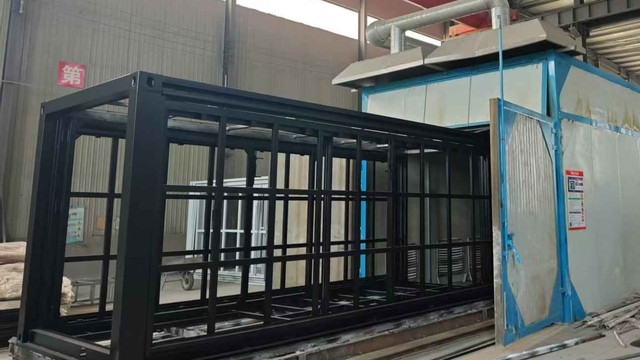
 Stinson Modular Homes