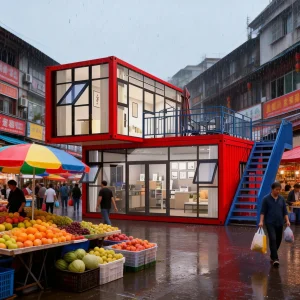
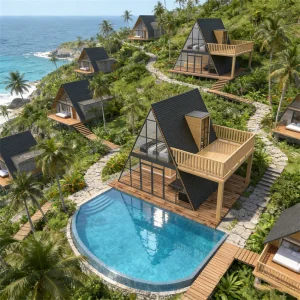
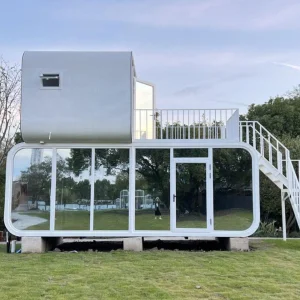
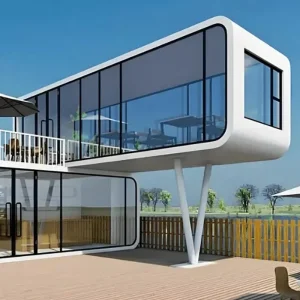
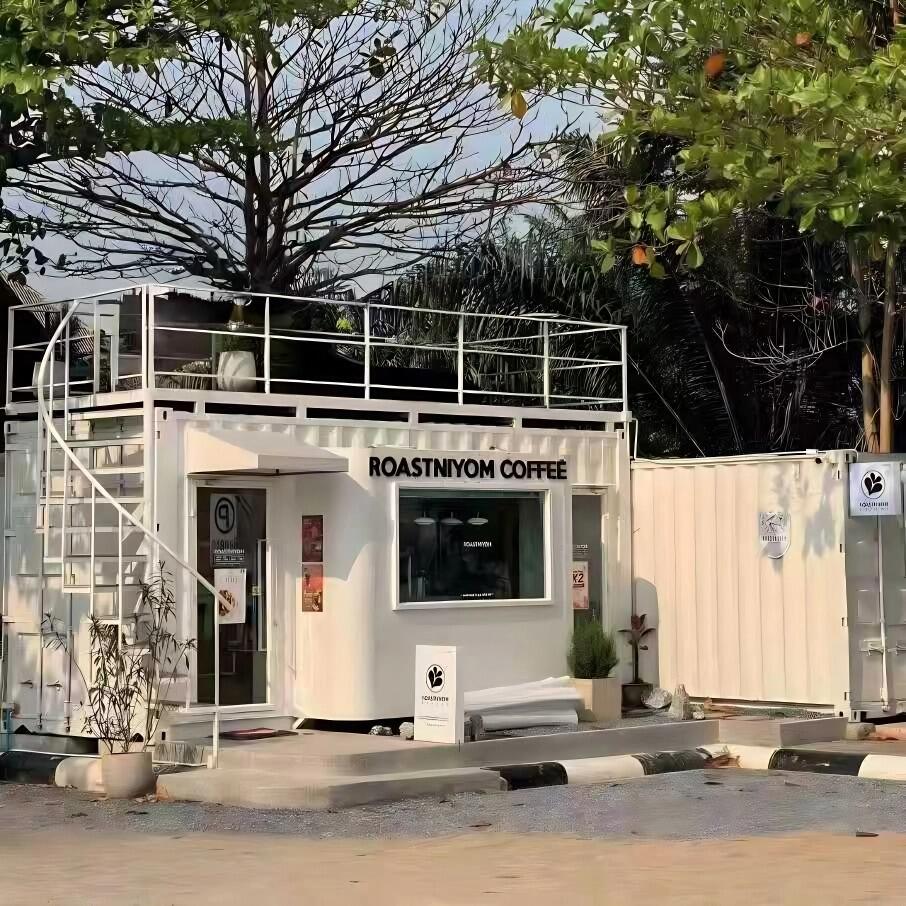
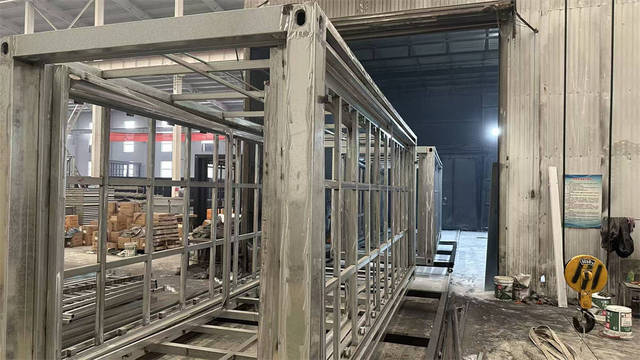
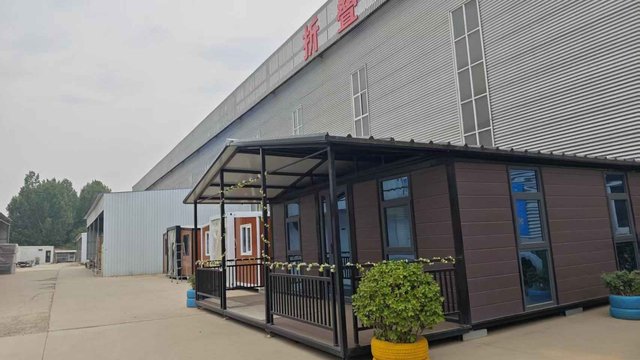
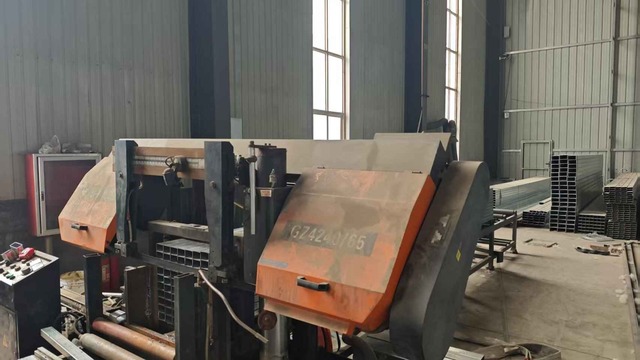
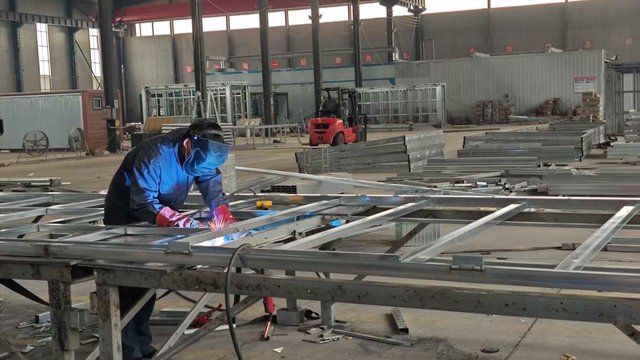
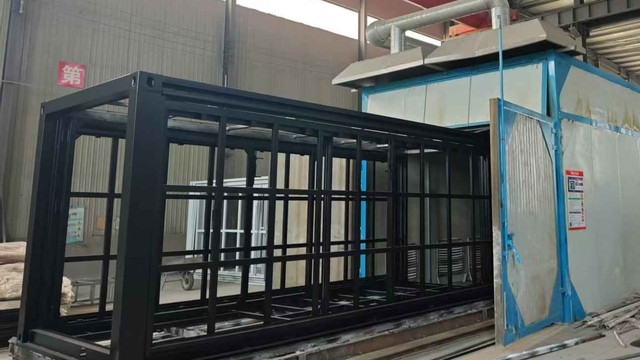
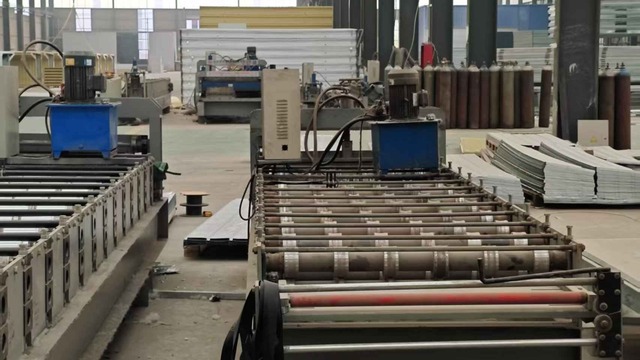
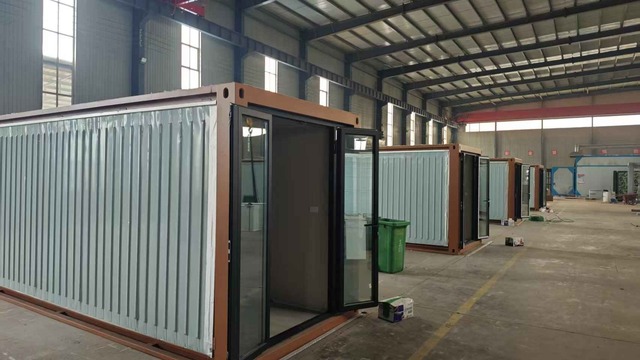
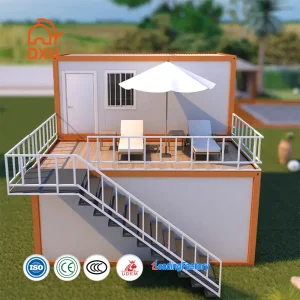
Heavy-duty structural framework combined with high-grade thermodynamic insulation, ready for containerized logistics directly to Walvis Bay Port.
Namibia is experiencing a historic surge in urbanization, industrial development, and ecotourism. However, traditional construction projects face severe structural challenges, particularly in remote regions like the Namib Desert, the Kalahari Basin, and the Erongo mining hubs. With vast geographical distances between Windhoek, coastal ports like Swakopmund and Walvis Bay, and remote resource mining sites, the supply chain for bricks, cement, and skilled masonry is prohibitively expensive and slow.
Furthermore, Namibia’s unique climate requires highly specialized building designs. The country is subject to extreme diurnal temperature variations—sometimes swinging by more than 20°C in a single day—as well as high solar UV indices, desert winds, and harsh coastal salt fog near Walvis Bay. Standard steel frames decay rapidly under high humidity and salinity, while uninsulated structures turn into ovens during the day and iceboxes at night.
As a leading supplier of eco-friendly container houses, Nanjin Stinson Modular Homes Co., Ltd. addresses these bottlenecks by exporting modular systems engineered for maximum durability, structural performance, and rapid assembly in challenging settings.
We use double-glazed Low-E windows and polyurethane (PU) or high-density rockwool core sandwich panels to deliver low thermal conductivity values (U-value ≤ 0.28 W/m²K), protecting occupants from intense heat and evening cold.
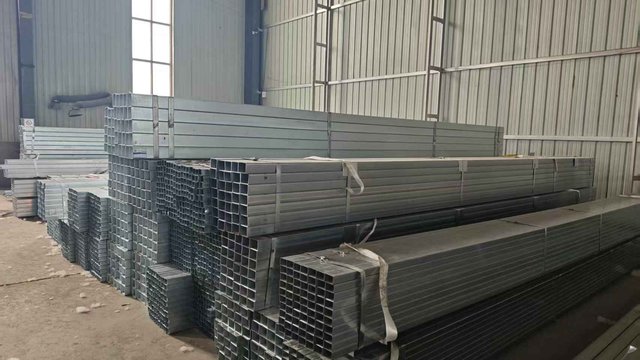
Our structures feature C3 to C5 marine-grade corrosion-resistant structural steel frames. Hot-dip galvanization ensures our homes resist salt fog and coastal humidity, making them ideal for the Walvis Bay port zone.
Pre-engineered flat pack and foldable designs collapse logistics costs. Standard modular units can be unpacked, erected, and weatherproofed in under 4 hours by 4 local workers, bypassing local labor constraints.
Unlike standard prefab sheds, our premium container homes comply with rigorous engineering standards. Designed to integrate easily with solar PV systems, off-grid water reservoirs, and regional foundations (such as screw piles for shifting Kalahari sands or concrete pads for rocky terrain), our products offer the ideal technological blueprint for modern construction.
| Component Specification | Standard Engineering Parameter | Direct Benefit for Namibian Applications |
|---|---|---|
| Main Structural Frame | Hot-dip galvanized Q235B / Q355B steel (minimum coating 120g/m²) | Resists salt air corrosion in Swakopmund and high wind loads in Sossusvlei. |
| Wall Insulation Systems | 50mm - 100mm PU (Polyurethane) / High-Density Rockwool (U-value: 0.24-0.32 W/m²K) | Limits heat transmission during peak midday sun and retains heat during desert nights. |
| Roof Loading Capacity | Snow/Sand wind load up to 1.5 kN/m² with integrated 4-corner drainage pipes | Safeguards against structural dust load and heavy seasonal flash rains. |
| Window Glass Engineering | Double-pane 5mm+9A+5mm tempered Low-E glass, Argon filled | Provides acoustic isolation and blocks up to 92% of destructive ultraviolet rays. |
| Electrical Standards | Concealed wiring, circuit breakers, SABS compliant outlets and switches | Ensures compliance with NamPower systems and safety standards without rewiring. |
Optimized structures for mobile projects, regional relief housing, pop-up commercial hubs, and tourism applications across Namibia.
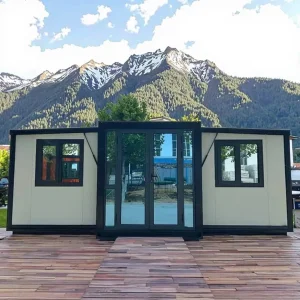
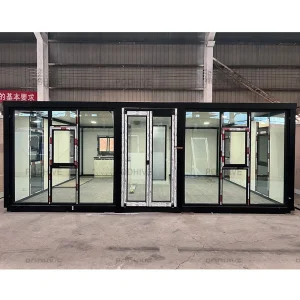
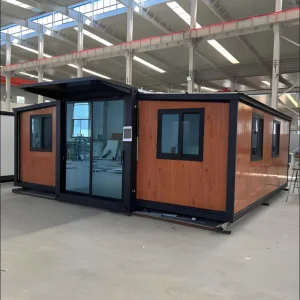
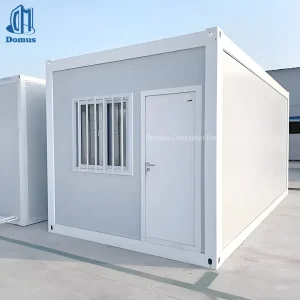
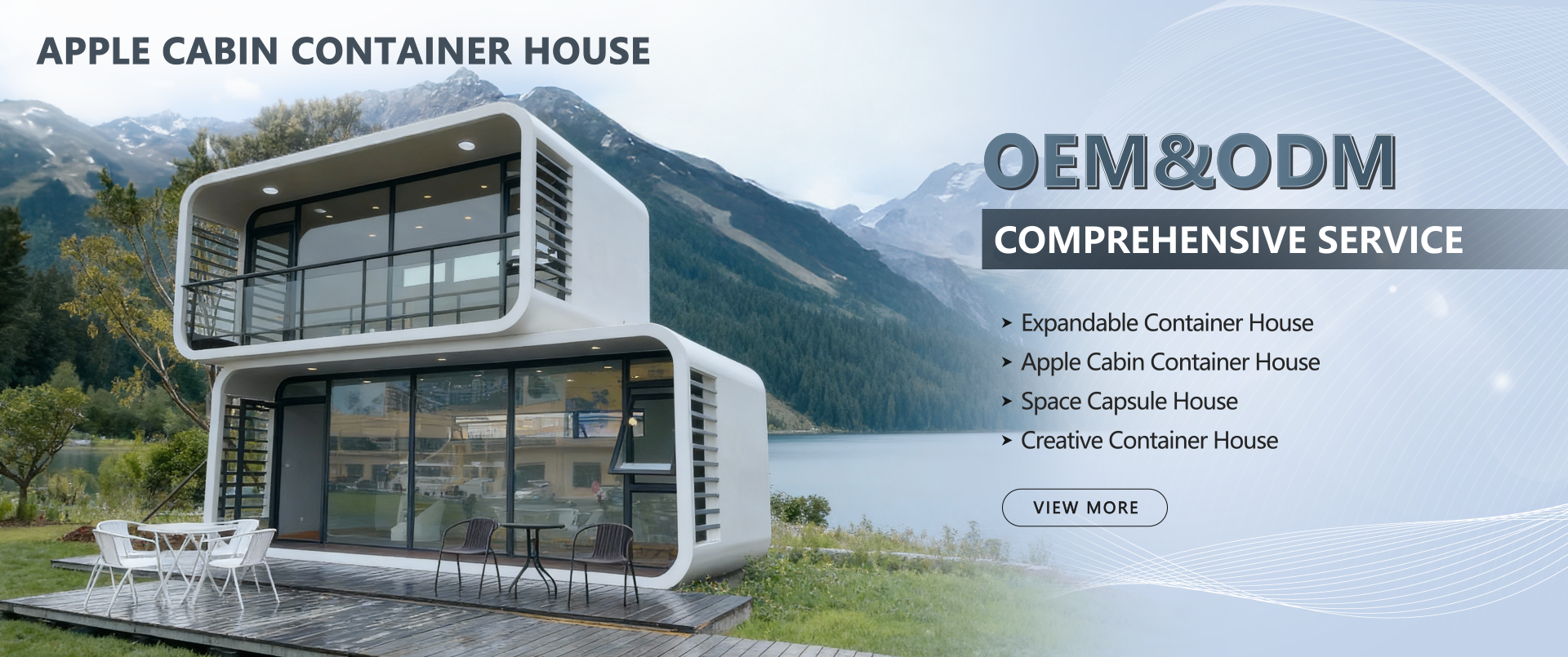
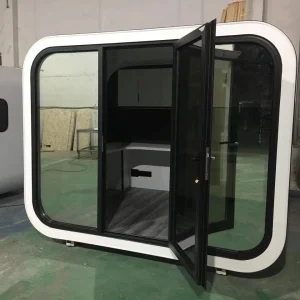
Nanjin Stinson Modular Homes Co., Ltd. is a professional China container house supplier specializing in Apple Cabin units, foldable container homes, and flat pack prefabricated housing systems. The company is committed to delivering innovative, efficient, and sustainable modular living solutions for residential, commercial, and hospitality applications worldwide.
Since its establishment, Stinson Modular Homes has focused on integrating advanced modular construction technology with practical design concepts. In its early stage, the company concentrated on standard container housing solutions for basic accommodation needs. As market demand evolved, it expanded its product line to include foldable and flat pack structures, significantly improving transportation efficiency and on-site installation speed.
In the development phase, the company introduced creative cabin-style housing such as Apple Cabin designs, combining aesthetic appeal with functionality. These solutions are widely used in holiday resorts, eco-tourism projects, mobile offices, and temporary living spaces. Over time, Stinson Modular Homes strengthened its engineering capabilities, production systems, and quality control processes to meet international standards.
Today, the company continues to innovate in modular architecture, offering customizable layouts, energy-efficient designs, and turnkey project support. With a focus on quality, flexibility, and global service, Nanjin Stinson Modular Homes aims to provide reliable prefabricated housing solutions that adapt to diverse environments and customer requirements worldwide.
Global Export Markets
Annual Sqm Production
Galvanized Anti-Rust Frames
Insulation U-Value Rating
Perfectly customizable layouts for hotels, mobile hospitals, remote command stations, and off-grid modular apartments.
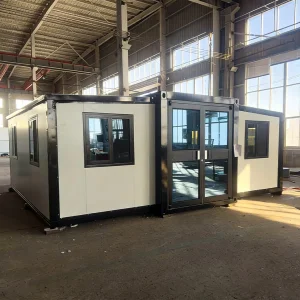
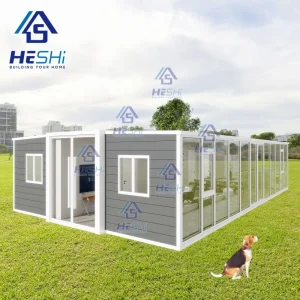
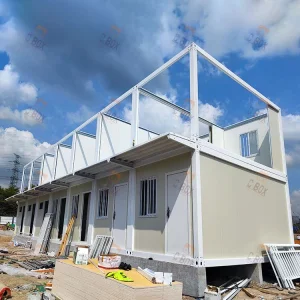
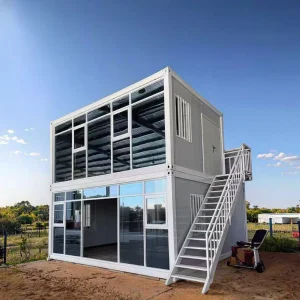
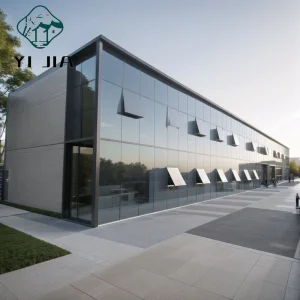
Logistical performance is a critical factor for large-scale mining developments and real estate projects in Sub-Saharan Africa. Stinson Modular Homes leverages Nanjing's extensive logistics network to streamline shipping schedules directly to Namport (Walvis Bay Port). Our shipping procedures are optimized to maximize the cargo capacity of standard 40HQ ocean containers. For flat pack and foldable containers, we package up to 4 to 6 units per shipping container, drastically reducing ocean freight rates per square meter of building footprint.
Once arrived in Walvis Bay, these modular components can be transported by road across crucial transport networks, including the Trans-Kalahari Corridor, the Trans-Caprivi Highway, and regional routes to Windhoek, Swakopmund, Rundu, and northern mining camps. Because the units require minimal tooling and no structural welding to assemble, projects avoid local labor challenges and can be completed in a fraction of the time required for traditional builds.
Our structures are engineered to meet the regulatory requirements of southern Africa. Stinson's manufacturing processes align with the following standards to ensure seamless approval by local authorities:
Get technical guidance on ordering, structural specifications, shipping logistics, and structural customizability for Namibia.
Our container homes are built with advanced thermal insulation. We use polyurethane (PU) or high-density rockwool core sandwich panels rather than cheap EPS insulation. In desert zones where midday temperatures often exceed 40°C, these panels provide a thermal barrier that maintains comfortable indoor temperatures, reducing the need for high-energy HVAC usage.
Yes, our container frames undergo a hot-dip galvanization process with a thick zinc coating (minimum 120g/m²). We apply marine-grade anti-corrosive primer and topcoat paint (compliant with C3-C5 corrosion resistance categories). This protects the steel structure from coastal humidity and saline atmospheres, avoiding rust degradation.
Our products are manufactured in China and shipped from major ports such as Shanghai or Ningbo. The ocean transit time to Walvis Bay Port is typically 30 to 45 days. Upon arrival, the flat pack units can be loaded onto flatbed trucks and shipped inland via the Trans-Kalahari corridor.
Absolutely. Our container roof structures are designed to support solar PV racking systems. We can also pre-engineer plumbing layouts to support external greywater systems, rain harvesting catchments, and off-grid septic systems, making them perfect for eco-tourism lodges in remote locations.
Get a detailed engineering drawing and delivery quote to Walvis Bay Port. Speak directly with our commercial export division.
Send Inquiry Now Stinson Modular Homes